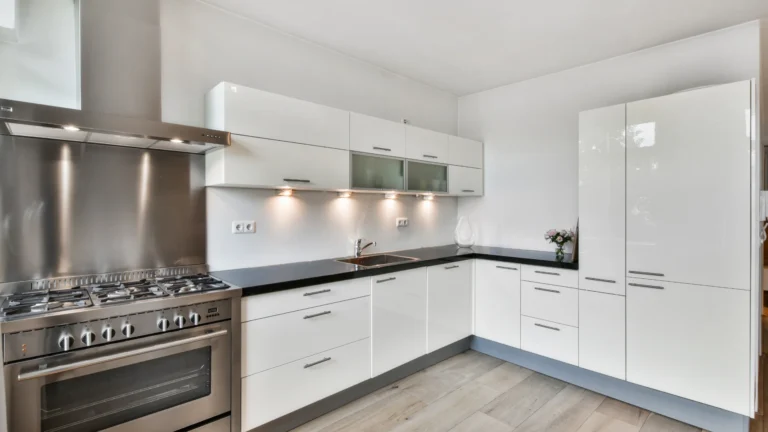
How Long Does Cabinet Refacing Last?
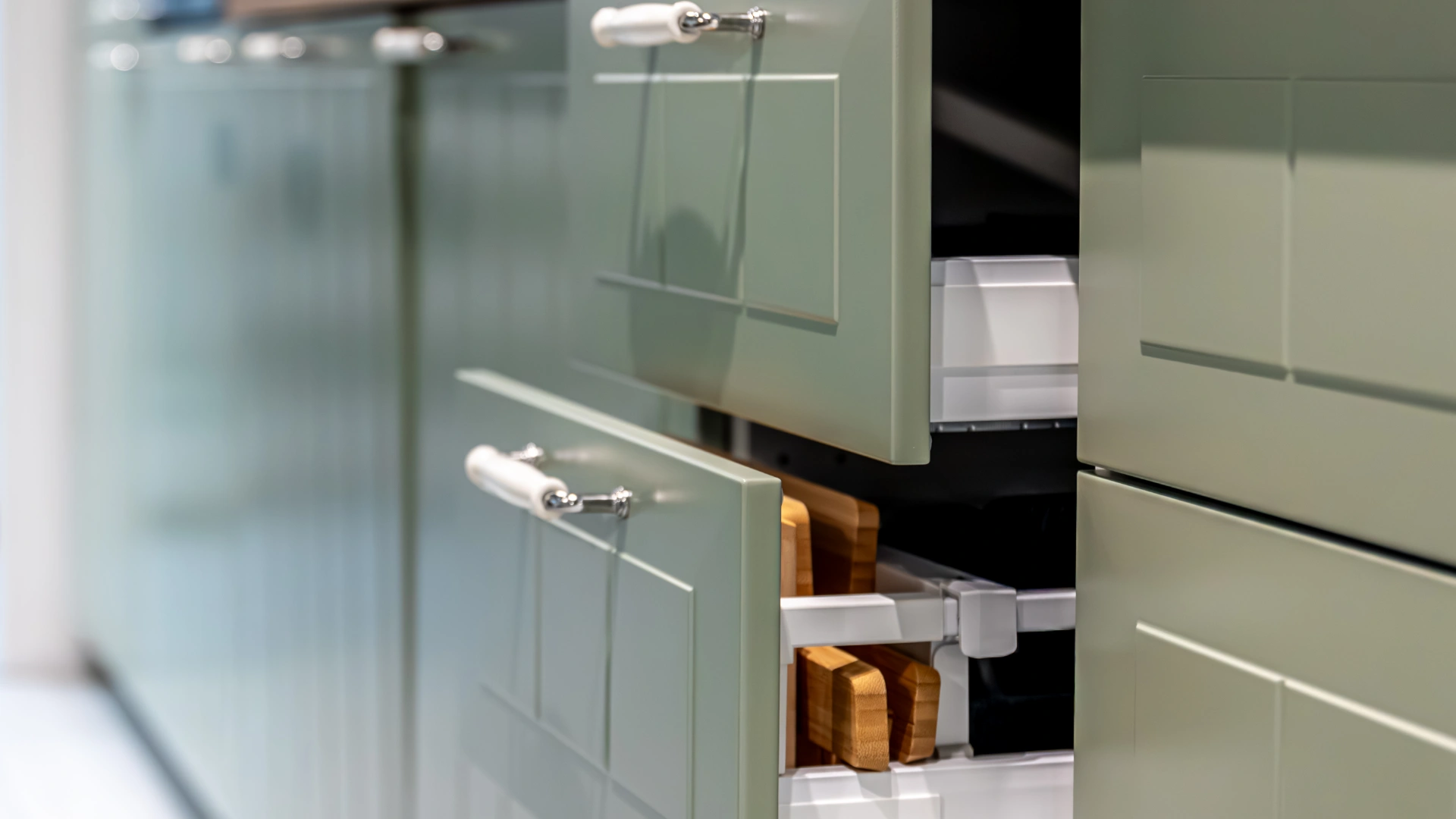
Cabinet refacing can give your kitchen a fresh, updated appearance without the cost and disruption of replacing every cabinet. But before investing in new doors, drawer fronts, and cabinet veneers, it is important to understand how long the results can last. So, how long does cabinet refacing last? In many kitchens, professionally refaced cabinets can last approximately 10 to 20 years or longer when the existing cabinet boxes are structurally sound, quality materials are used, and the surfaces receive proper care. The actual lifespan varies depending on the original cabinet condition, installation quality, materials, moisture exposure, and everyday use. Understanding these factors can help you decide whether cabinet refacing is a worthwhile investment for your home. It can also help you recognize when your cabinets need maintenance, repairs, or complete replacement.
How Long Does Cabinet Refacing Last?A Complete Guide
Cabinet refacing commonly lasts around 10 to 20 years, although well-maintained cabinets may remain attractive and functional for longer. This is a general estimate rather than a guaranteed service life because different materials, installation methods, and kitchen conditions produce different results. Refacing updates the visible parts of your cabinets while preserving the existing cabinet boxes. The process typically includes installing new doors and drawer fronts, applying veneer or laminate to exposed cabinet frames and sides, and updating the hardware.
Because the original cabinet structure remains in place, its condition plays a major role in determining the overall lifespan. Strong, properly installed cabinet boxes provide a better foundation for a durable renovation than cabinets with swelling, loose joints, or water damage. The new surfaces also matter. Well-applied veneer, durable laminate, and quality replacement doors can withstand normal kitchen use for many years. However, poor preparation, weak adhesive bonds, or repeated exposure to moisture can cause premature peeling, discoloration, and other problems.
What Factors Affect the Lifespan of Refaced Cabinets?
Several factors determine whether refaced cabinets remain in good condition for a decade, two decades, or longer. Considering these details before starting a project can help you make a better investment.
Condition of the Existing Cabinet Boxes
The original cabinet boxes are the foundation of a refacing project. Since refacing does not replace the entire cabinet structure, damaged boxes can limit the durability of the finished result. Inspect the cabinet frames, sides, shelves, and joints before deciding to reface. Look for swelling, sagging shelves, loose connections, mold, soft spots, and damage around sinks or dishwashers.
Cabinet boxes made from plywood, solid wood components, or suitable medium-density fiberboard (MDF) may be good candidates when they are structurally sound. The material alone does not guarantee durability, so its condition and exposure to moisture are equally important. If the cabinet structure is weak or extensively damaged, replacing the affected cabinets may be a better long-term solution.
Quality of Refacing Materials
The materials used for cabinet refacing influence how well the new surfaces resist everyday wear. Common options include wood veneer, laminate, and replacement doors made from solid wood or engineered materials. Wood veneer provides a natural wood appearance and can offer lasting results when properly installed and maintained. Laminate is available in a range of colors and finishes and can be a practical choice for homeowners who want a consistent appearance with relatively straightforward cleaning.
The quality of the product matters more than choosing a material based on appearance alone. Consider its resistance to scratches, moisture, heat, and stains, along with the manufacturer’s care instructions. Choose compatible adhesives and finishing products designed for the selected material. Inexpensive or unsuitable products can lead to lifting edges, bubbling, or premature surface deterioration.
Professional Installation and Workmanship
Even high-quality materials may fail early if the installation is poor. Refacing requires careful measuring, surface preparation, accurate cutting, and secure application of veneer or laminate. Before attaching new surfaces, installers should remove grease, dirt, and loose finishes. Surfaces must be properly prepared and allowed to dry. Veneer and laminate should be fitted without gaps, and exposed edges should be finished carefully.
Replacement doors must also be aligned correctly so that they open and close smoothly without rubbing against adjacent cabinets. Professional installation can reduce the risk of common workmanship problems. A skilled DIYer can also achieve good results, but cabinet refacing requires patience, accurate measurements, appropriate tools, and attention to detail.
Moisture and Heat Exposure
Kitchens expose cabinets to steam, splashes, temperature changes, and humidity. These conditions can weaken adhesives, damage finishes, and cause certain engineered materials to swell. near sinks, dishwashers, ovens, and cooktops may experience more exposure than cabinets in less frequently used areas. Water leaking from plumbing connections can be particularly damaging because moisture may remain trapped inside cabinet boxes.
Use ventilation when cooking, repair plumbing leaks promptly, and wipe up spills instead of allowing water to sit on cabinet surfaces. Avoid directing excessive heat or steam toward cabinet doors and exposed edges. Managing moisture is one of the most practical ways to protect refaced cabinets and extend their useful life.
Frequency of Use
Cabinets in a busy family kitchen may experience more wear than those in a rarely used space. Frequently opened doors, heavily loaded drawers, and repeated contact around handles can gradually affect the finish and hardware. Children may pull on doors, while overloaded drawers can strain slides and mounting points. Over time, hinges can loosen and doors may become misaligned. Use cabinets as intended, avoid excessive loading, and check moving hardware periodically. Replacing a worn hinge or adjusting a door early can prevent additional stress on the surrounding cabinet structure.
How Can You Make Cabinet Refacing Last Longer?
Good maintenance helps protect the appearance and functionality of refaced cabinets. You do not need an elaborate cleaning routine, but consistent care can prevent small problems from becoming expensive repairs.
Clean Cabinets With Gentle Products
Use a soft microfiber cloth and a mild cleaner suitable for the cabinet material. Follow the manufacturer’s instructions, especially for wood veneer, laminate, and painted or coated surfaces.
Avoid abrasive scrubbers, harsh chemicals, and excessive water. These can scratch the finish, dull the surface, or weaken the bond between the veneer and the cabinet frame. When cleaning, pay attention to areas around handles, cooking surfaces, and the sink where grease and moisture tend to accumulate. Wipe surfaces dry after cleaning rather than leaving moisture behind.
Wipe Up Spills Immediately
Water, cooking oil, sauces, and cleaning products can stain or damage cabinet surfaces if left for too long. Spills around sinks and countertops deserve particular attention because liquid can seep into seams and exposed edges. Check the cabinet beneath the sink occasionally for leaks, swelling, and musty odors. Addressing a small plumbing problem early can protect the cabinet box from more extensive damage.
Protect Cabinets From Excessive Heat
Heat and steam can affect cabinet finishes, adhesives, and door materials. Use your kitchen ventilation system while cooking and follow the appliance manufacturer’s recommendations for installation clearances. Avoid allowing hot cookware or concentrated steam to contact cabinet surfaces. If a cabinet door near an appliance repeatedly becomes hot or develops peeling edges, investigate the source instead of simply repairing the finish.
Check Hinges, Handles, and Drawer Slides
Loose hardware can cause doors to sag, rub, or close unevenly. Inspect hinges, pulls, and drawer slides periodically, tightening or adjusting them when necessary. Do not overtighten screws, particularly in engineered cabinet materials, because doing so can damage the mounting holes. If a screw no longer holds securely, the mounting point may need a suitable repair.
Address Small Surface Problems Early
A lifting veneer edge, loose hinge, or small scratch is generally easier to address before it spreads. Follow the product manufacturer’s repair guidance or consult a cabinet professional if the problem involves a large area or damaged substrate. Do not simply cover bubbling, swelling, or recurring peeling without identifying the cause. If moisture or a failed adhesive bond remains unresolved, the damage may return.
What Are the Signs That Refaced Cabinets Are Wearing Out?
Refaced cabinets do not necessarily need complete replacement when the first signs of wear appear. Some issues affect only the surface or hardware, while others indicate that the underlying cabinet structure is failing. Watch for these warning signs:
- Peeling veneer or laminate: Edges may lift, bubble, or separate from the cabinet frame.
- Swollen cabinet panels: Water exposure can cause some materials to expand, particularly around sinks and dishwashers.
- Persistent door misalignment: Doors that repeatedly sag or rub may indicate worn hinges, damaged mounting points, or structural movement.
- Cracked or deteriorating finishes: Repeated impacts, heat, moisture, and unsuitable cleaning products can damage surface coatings.
- Soft or weakened cabinet boxes: Soft spots, crumbling edges, loose joints, or sagging shelves may indicate deeper structural problems.
- Recurring mold or musty odors: Persistent moisture should be investigated before any cosmetic repairs are attempted.
If the problem is limited to a door, hinge, or small veneer section, a targeted repair may be enough. Widespread swelling, unstable cabinet boxes, or extensive water damage may make replacement the more sensible option.Proper installation and surface preparation can help cabinet refacing deliver a durable, attractive finish. If you want to understand the process in more detail, this guide on How to Reface Cabinet Doors explains the key steps involved in updating existing cabinetry.
Does Cabinet Refacing Last Longer Than Painting?
Cabinet refacing and cabinet painting are different processes, so their durability depends on different factors. Painting applies a new finish to existing cabinet doors, frames, and other surfaces. Refacing generally replaces the doors and drawer fronts and covers exposed cabinet frames and sides with new veneer or laminate. A properly executed refacing project can provide a durable finish because many visible components are replaced rather than simply coated with paint. However, it is not accurate to assume that every refaced cabinet will outlast every painted cabinet. Materials, preparation, workmanship, and maintenance influence both outcomes.
Painting may be the more economical option when the existing doors and frames are in excellent condition and only need a color change. Refacing may make more sense when the doors are worn or outdated but the cabinet boxes remain strong. Before choosing, compare the condition of your cabinets, the finish you want, and the cost of each option. A high-quality paint job can last for years, while poorly prepared refacing surfaces can deteriorate prematurely.
Is Cabinet Refacing Better Than Replacing Cabinets?
Cabinet refacing can be a practical alternative to full replacement when your existing cabinet boxes are sound and you are happy with the current kitchen layout. Refacing updates the appearance of the kitchen while preserving much of the existing structure. It can reduce demolition and material waste, and installation is generally less disruptive than replacing an entire set of cabinets. Full replacement may be the better choice when cabinet boxes have significant structural damage, storage needs have changed, or you want to redesign the kitchen layout. New cabinets also allow you to replace components that cannot be repaired reliably.
Consider these general differences:
| Feature | Cabinet Refacing | Cabinet Replacement |
| Existing cabinet boxes | Usually retained | Removed and replaced |
| Appearance | New doors, fronts, and exterior surfaces | New cabinet components throughout |
| Kitchen layout | Usually stays the same | Can be redesigned |
| Project disruption | Generally lower | Generally higher |
| Best suited for | Sound cabinet boxes with worn or outdated surfaces | Damaged cabinets or major layout changes |
The right option depends on the condition of your cabinets and your renovation goals. Refacing is not automatically the better investment if the underlying structure is already near the end of its useful life.
Does DIY Cabinet Refacing Last as Long as Professional Refacing?
DIY cabinet refacing can last for many years when the cabinet boxes are suitable, the materials are appropriate, and the work is completed correctly. However, the results depend heavily on preparation and installation skills. A DIY project requires accurate measurements, careful removal of doors and hardware, thorough cleaning, suitable surface preparation, and precise application of veneer or laminate. Small errors can create visible seams, uneven edges, or weak adhesive bonds.Professional installers may offer advantages in specialized tools, experience, material selection, and door alignment. They may also provide a written workmanship warranty, although coverage and exclusions vary by contractor.
Before hiring a professional, ask which materials will be used, how the surfaces will be prepared, what the warranty covers, and how problems will be handled. If you plan to do the work yourself, follow the material manufacturer’s installation instructions and avoid rushing preparation. The best approach is the one that delivers reliable workmanship for your budget, rather than choosing DIY or professional installation based on price alone.
Is Cabinet Refacing Worth the Investment?
Cabinet refacing can be worthwhile when your existing cabinets are structurally sound and you want to update the kitchen without undertaking a full renovation.Its value comes from combining a new appearance with the continued use of existing cabinet boxes. You can also update doors, drawer fronts, handles, hinges, and other visible details to create a more cohesive design.
However, refacing does not automatically solve problems with poor storage, damaged shelves, or an inconvenient kitchen layout. If the cabinet boxes need extensive repairs or you require major functional changes, replacement may offer better long-term value. T o assess the investment, compare quotes for refacing, painting, and replacement. Include material quality, installation, hardware, repairs, and warranty coverage rather than focusing only on the initial price.A project that costs slightly more but uses durable materials and includes proper preparation may provide better value than a cheaper option that requires early repairs.
Frequently Asked Questions
How long does cabinet refacing last on average?
Cabinet refacing commonly lasts around 10 to 20 years, and some projects last longer. The result depends on the condition of the existing cabinet boxes, material quality, installation, moisture exposure, and maintenance.
Can refaced cabinets last 20 years?
Yes, refaced cabinets can last 20 years or longer when the original cabinet structure is sound, quality materials are installed correctly, and the cabinets receive appropriate care. However, no specific lifespan can be guaranteed for every kitchen.
Does cabinet refacing peel over time?
Veneer or laminate can peel if surfaces are poorly prepared, adhesives fail, or moisture and heat repeatedly affect the edges. Proper installation and prompt attention to water damage can help reduce the risk.
Is cabinet refacing more durable than painting?
It can be, particularly when refacing replaces worn doors and drawer fronts with durable new components. However, durability depends on the materials and workmanship used in each project. A properly prepared painted finish can also last for years.
Can water damage ruin refaced cabinets?
Yes. Water can damage the veneer, weaken adhesive bonds, and cause some cabinet materials to swell. Repair leaks quickly, dry wet areas thoroughly, and inspect cabinets beneath sinks and near dishwashers for signs of damage.
Can I repair refaced cabinets instead of replacing them?
Often, yes. Minor scratches, loose hinges, and small areas of lifting veneer may be repairable. Extensive swelling, widespread peeling, mold caused by persistent moisture, or structural damage may require more substantial repairs or cabinet replacement.
How can I tell if my cabinets are suitable for refacing?
Look for sturdy cabinet boxes, secure joints, functional shelves, and surfaces that can be properly prepared. Cabinets with major water damage, significant warping, or weak structural components may not be suitable candidates.
Does cabinet refacing come with a warranty?
Some contractors and manufacturers offer warranties for materials or workmanship, but coverage varies. Ask for the warranty in writing and check its duration, exclusions, and repair procedures before approving the project.
Conclusion
Cabinet refacing can last approximately 10 to 20 years or longer when the existing cabinet boxes are in good condition and the work is completed with suitable materials and careful installation. However, the lifespan depends on more than the new doors and exterior finish. Moisture control, everyday use, hardware maintenance, and cleaning habits all influence long-term performance.
Before investing, inspect the cabinet structure and determine whether refacing will address your actual needs. Choose durable materials, confirm the installation details, and maintain the surfaces according to the manufacturer’s instructions.When the cabinet boxes are sound, refacing can be a practical way to refresh your kitchen and extend the usefulness of your existing cabinetry without the disruption of a complete replacement.Add a clear decision-making checklistReduce repeated lifespan statements For more practical advice on kitchen remodeling, cabinet maintenance, and affordable home improvements, visit Home Recommends for additional guides and inspiration.