Budget Kitchen Upgrades That Make a Big Difference for Less
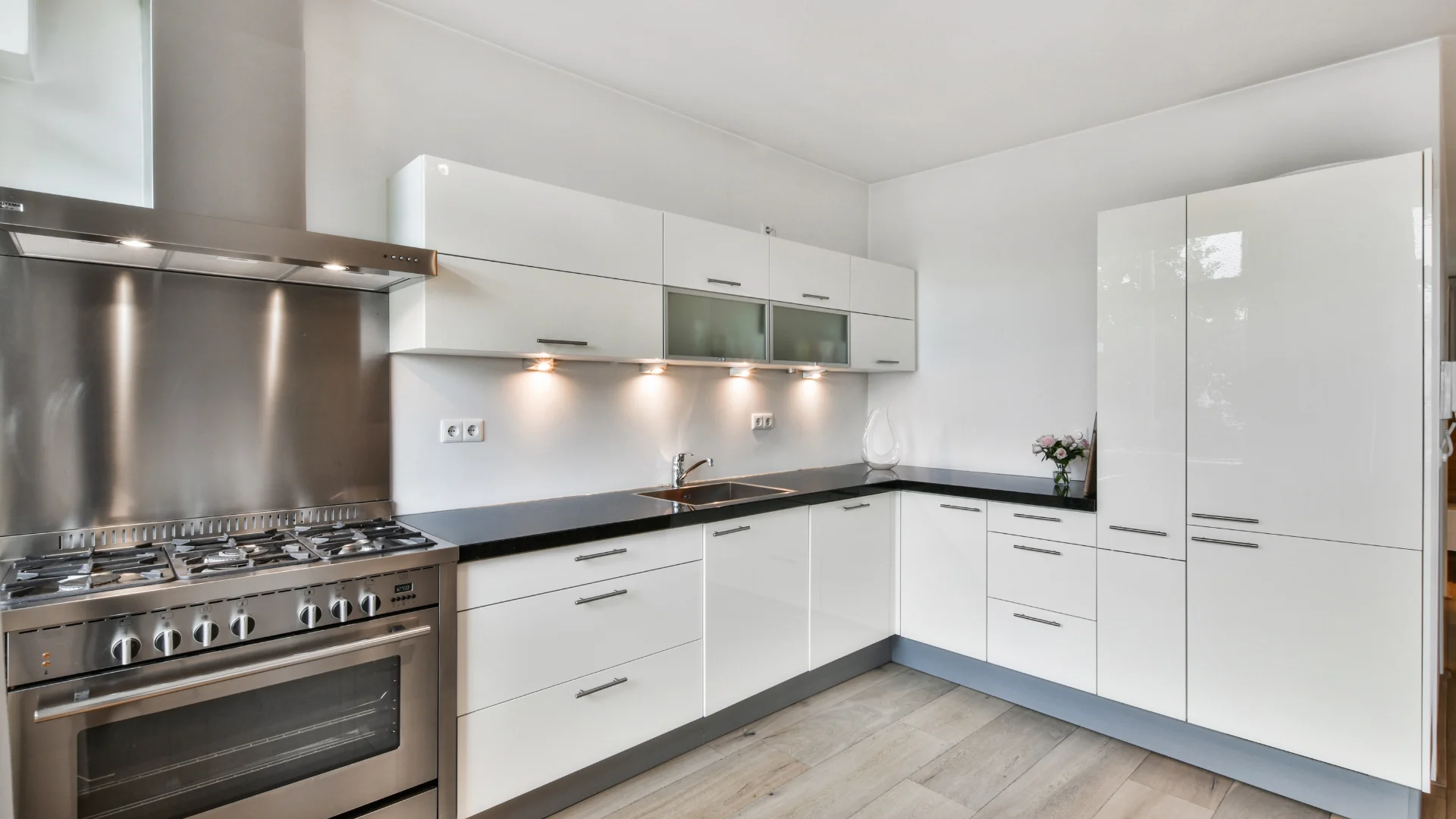
You do not need a complete renovation to make a kitchen feel newer, more functional, and more attractive. The most effective budget kitchen upgrades focus on the areas you see and use every day, such as cabinet fronts, hardware, lighting, storage, backsplashes, countertops, and faucets.
The key is deciding which improvements deserve your money. Replacing perfectly functional cabinets simply because they look dated may consume most of your budget, while repainting them and improving their storage could produce a much larger overall benefit.
A successful low-cost kitchen makeover therefore starts with the existing room. Keep what works, repair what is failing, and spend your budget on changes that solve genuine problems.
Start With a Kitchen Upgrade Budget and Priority List
Before buying paint, hardware, or decorative accessories, establish how much you can realistically spend.
Then divide your kitchen into four areas: appearance, storage, lighting, and functionality.
Write down what bothers you about each area. This prevents impulse purchases and makes it easier to determine which changes should happen first.
Separate Must-Have Improvements From Cosmetic Changes
A leaking faucet, damaged cabinet base, or inadequate lighting should generally take priority over decorative accessories.
Once functional problems are addressed, use the remaining budget for improvements that create the greatest visible difference.
For example, painting dated cabinets may have a much larger impact than replacing a small decorative item that few people notice.
Reserve Money for Unexpected Problems
Older kitchens can reveal problems once work begins.
Damaged cabinet material beneath a sink, deteriorated caulk, uneven walls, or outdated electrical components may require additional work.
Avoid spending your entire budget before the project starts. Keeping a contingency amount gives you room to address problems without abandoning an important part of the renovation.
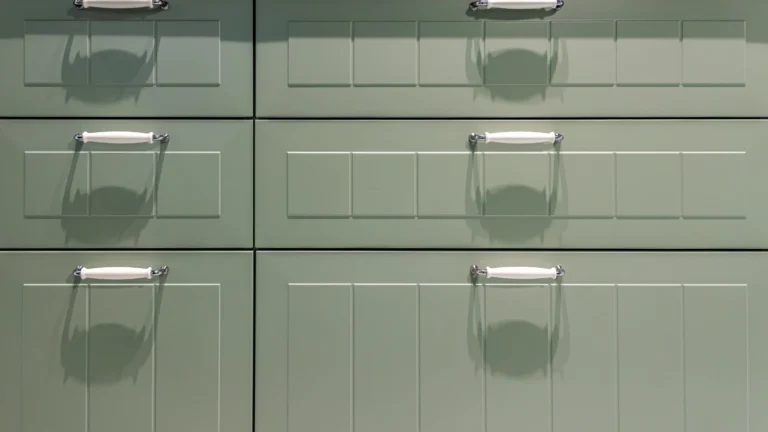
Paint Kitchen Cabinets Instead of Replacing Them
Painting is among the most powerful budget kitchen upgrades when the existing cabinet boxes and doors are structurally sound.
A new cabinet color can change the appearance of the entire kitchen while avoiding the cost and disruption of complete cabinet replacement.
However, cabinet painting is preparation-intensive.
Prepare Cabinets Before Painting
Remove doors and hardware, clean away grease and residue, repair obvious imperfections, and prepare the surface according to the existing cabinet material.
Wood, veneer, laminate, and previously painted surfaces can require different preparation methods.
Use a compatible primer and finish product, and allow the coating to cure properly before putting the cabinets back into heavy use.
Use Two Cabinet Colors Carefully
A contrasting island or lower cabinet color can add interest without requiring completely different cabinetry.
For a smaller kitchen, using one primary cabinet color with a subtle contrasting element can prevent the room from looking visually fragmented.
The objective is not to use as many colors as possible. It is to create a coordinated palette.
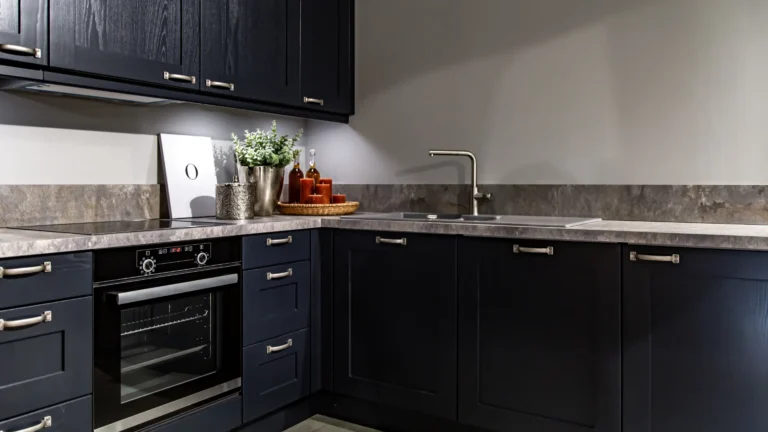
Replace Cabinet Hardware for a Quick Transformation
New knobs and pulls are inexpensive compared with replacing cabinets, but they can noticeably change the style of the room.
Choose hardware based on both appearance and usability.
Before ordering, measure the existing hole spacing if you want the new handles to fit the same openings.
Coordinate Hardware With the Rest of the Kitchen
The cabinet hardware does not need to match every metal finish exactly, but repeating a finish elsewhere can make the room feel intentional.
Consider the faucet, lighting fixtures, appliances, and cabinet handles together.
Black, brushed metal, brass, bronze, and other finishes can produce very different effects against the same cabinet color.
Upgrade Kitchen Lighting Without Rebuilding the Ceiling
Poor lighting can make an otherwise attractive kitchen feel dated.
Improving lighting is one of the most useful budget kitchen upgrades because it can improve both appearance and everyday usability.
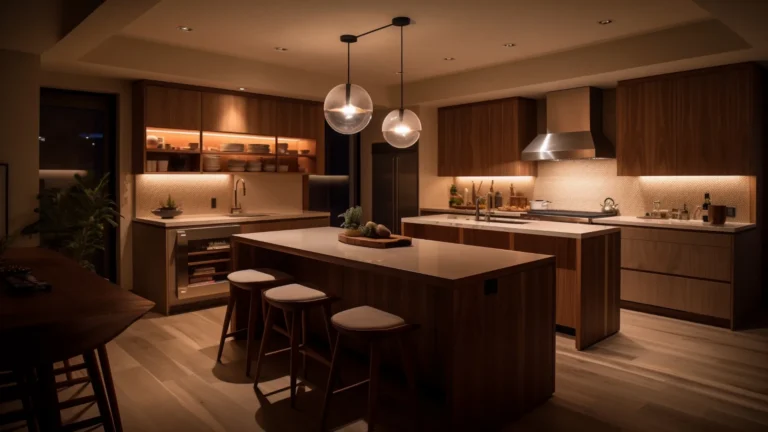
Install Under-Cabinet Lighting
Under-cabinet LED lighting places illumination directly over the countertop and helps reduce shadows created by wall cabinets.
It can make food preparation easier while also giving the kitchen a warmer evening atmosphere.
Choose fixtures that suit the existing electrical arrangement and follow manufacturer installation requirements.
Replace an Outdated Ceiling Fixture
A dated central fixture can dominate a kitchen visually.
Replacing it with a simpler contemporary fixture may produce a noticeable improvement without changing the room’s layout.
If new electrical wiring or a relocated fixture is required, use an appropriately qualified professional rather than treating electrical work as a cosmetic DIY task.
Refresh the Backsplash Without a Full Renovation
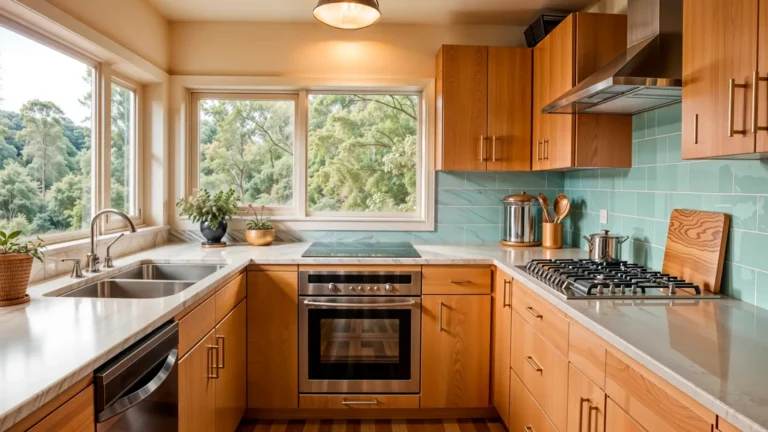
The backsplash is one of the most visible surfaces between the cabinets and countertop.
If the existing material is structurally sound, you may not need to remove it immediately.
Clean and Regrout Existing Tile
Discolored grout can make an otherwise good backsplash look old.
Deep cleaning, repairing damaged grout, or changing the grout color can refresh the appearance for considerably less than a complete tile replacement.
However, active moisture damage or loose tiles should be addressed rather than covered.
Use a Budget-Friendly Backsplash Material
If replacement is necessary, ceramic tile can provide considerable design flexibility without requiring premium materials.
Simple tile installed in an interesting layout can look more distinctive than an expensive material installed without much planning.
Peel-and-stick products can also provide temporary or lower-commitment visual changes, but suitability depends on the product and location. Areas exposed to significant heat or moisture require particular attention to manufacturer requirements.
Update the Kitchen Faucet
A faucet is a relatively small component, but it sits in one of the kitchen’s most visible and frequently used locations.
Replacing an outdated faucet can improve the appearance while potentially adding useful features such as a pull-down spray head.
Choose Function Before Appearance
Look at spout reach, height, handle operation, spray functions, mounting configuration, and compatibility with the existing sink.
A stylish faucet that splashes outside the sink or interferes with a window is not a successful upgrade.
Also check the sink’s existing number and spacing of mounting holes before purchasing.
Improve Cabinet Storage From the Inside
Some of the best budget kitchen upgrades are almost invisible.
Existing cabinets often contain unused or poorly accessible space. Instead of immediately adding more cabinetry, improve how the available storage is organized.
Add Drawer Dividers and Shelf Organizers
Simple inserts can separate utensils, plates, baking tools, lids, and other items.
Shelf risers can create additional vertical levels, while adjustable dividers can keep cutting boards and baking sheets upright.
These solutions are inexpensive because they improve the usability of storage you already own.
Add Pull-Out Organizers Where They Matter Most
If your budget allows only a few interior modifications, prioritize cabinets that are difficult to access.
A pull-out shelf in a deep lower cabinet can be more useful than adding decorative storage elsewhere.
Measure the cabinet opening and interior dimensions before purchasing an organizer.
Replace Open Shelving Strategically
Open shelving can provide inexpensive storage and change the visual character of a kitchen.
You do not need to remove every upper cabinet.
One or two open shelves can provide space for frequently used dishes, cookbooks, plants, or decorative objects.
Keep Open Shelves Organized
The downside is that everything remains visible.
Use open shelving for items that are used frequently and easy to arrange. If you dislike dusting or maintaining visual order, closed cabinets may be more practical.
Give Countertops a More Affordable Refresh
Replacing countertops can consume a large portion of a renovation budget.
Before doing that, determine whether the existing surface actually needs replacement.
If the countertop is structurally sound, cleaning, polishing where appropriate, changing the edge treatment, or improving nearby finishes may make the entire kitchen feel newer.
Consider a Countertop Change Only When It Solves a Problem
Replacement becomes more worthwhile when the surface is damaged, difficult to maintain, poorly suited to the kitchen, or incompatible with your desired layout.
If you do replace it, compare materials based on durability, maintenance, installation requirements, and total project cost rather than material price alone.
Change the Kitchen’s Wall Color
A fresh wall color can make the kitchen feel dramatically different without touching the cabinetry.
Light and warm neutral shades can create an open appearance, while deeper colors can add contrast and personality when used selectively.
Test Paint Samples in Natural and Artificial Light
Kitchen colors can change considerably throughout the day.
Test several samples beside your cabinets, countertop, flooring, and backsplash before committing.
This small step can prevent an inexpensive paint project from becoming an expensive correction.
Upgrade the Kitchen Sink Area
The sink is one of the hardest-working parts of the kitchen.
A worn faucet, damaged caulk, poor storage beneath the sink, or missing accessories can make the area feel neglected.
Consider replacing deteriorated sealant, adding an under-sink organizer, improving cleaning-product storage, or replacing the faucet if necessary.
Make the Space Under the Sink Work Harder
The cabinet below the sink is often difficult to organize because of plumbing.
Use storage systems designed around the pipes rather than trying to fill the entire cabinet with standard boxes.
Pull-out trays, narrow bins, and adjustable organizers can make cleaning supplies easier to access while keeping the plumbing area clear.
Add Affordable Decorative Details
Once functional improvements are complete, small decorative changes can bring the kitchen together.
Consider:
- A washable runner
- Coordinated cabinet hardware
- A few carefully selected countertop accessories
- Framed artwork away from splash zones
- A small plant where conditions allow
- Updated window treatments
- Decorative cutting boards or serving pieces
The key is restraint.
A small kitchen can look more expensive when surfaces are organized rather than filled with accessories.
Create a Focal Point Instead of Upgrading Everything
You do not need to spend equally on every part of the kitchen.
Choose one area to receive more attention.
This might be the island, backsplash, range wall, lighting, or cabinet color.
Let the Focal Point Carry the Design
If you install a patterned backsplash, keep surrounding surfaces relatively restrained.
If the island receives a contrasting finish and statement lighting, the rest of the kitchen can remain simpler.
This approach allows a limited budget to create a stronger design impact.
Upgrade the Pantry and Food Storage
Kitchen organization can sometimes improve more through rearrangement than construction.
Remove expired items, group similar foods, and place frequently used products where they are easy to reach.
Clear containers can help with some dry goods, while labeled bins can prevent small packages from becoming difficult to find.
Organize Storage by Frequency
Everyday ingredients should occupy the most accessible locations.
Specialty baking supplies, seasonal serving items, and rarely used appliances can be stored in less convenient areas.
This reduces the amount of movement required during normal cooking.
Consider Affordable Cabinet Door Changes
If painting does not provide the look you want, replacing cabinet doors can be another way to change the kitchen without replacing every cabinet box.
New fronts can alter the profile and style of the room while allowing usable cabinet boxes to remain.
This is particularly useful when the current layout works but the door design feels outdated.
Compare Door Replacement With Refacing
Refacing can update more of the visible cabinet structure, while replacement doors may be sufficient for a smaller visual change.
Ask for the complete project price, including hardware, installation, finishing, and any necessary adjustments.
A low material price does not always mean a low total project cost.
Add Crown Molding or Simple Cabinet Trim
Decorative trim can help integrate cabinets with the room’s architecture.
A small amount of molding around the top of cabinetry can create a more finished appearance when proportions are appropriate.
Avoid adding elaborate trim simply because there is unused space above the cabinets.
In compact kitchens, excessive decorative detail can make the room feel visually heavy.
Make Small Appliances Easier to Store
Countertop appliances can consume a surprising amount of usable preparation space.
Instead of buying a larger kitchen to accommodate them, reconsider where they are stored.
Frequently used appliances can remain accessible, while occasional-use equipment can move into a cabinet, pantry, or designated appliance storage zone.
Do Not Hide Appliances Unsafely
If an appliance is intended to operate inside a cabinet or enclosed space, follow the manufacturer’s clearance and ventilation requirements.
Do not create a permanent setup that traps heat or relies on unsuitable extension-cord arrangements.
Use a Simple Upgrade Strategy for a Limited Budget
If your budget is tight, complete projects in stages instead of trying to renovate everything at once.
| Budget priority | Upgrade | Why it matters |
| High | Repairs and safety issues | Prevents bigger problems |
| High | Cabinet paint or refinishing | Large visual impact |
| High | Lighting | Improves function and atmosphere |
| Medium | Hardware | Quick style improvement |
| Medium | Storage organizers | Improves existing capacity |
| Medium | Faucet | Updates a high-use area |
| Lower | Backsplash refresh | Adds visual character |
| Lower | Decorative accessories | Finishes the design |
The exact priorities should change according to your kitchen’s condition. A leaking faucet, for example, should take precedence over cabinet paint.
Know Which Kitchen Projects Are Worth DIY
DIY can reduce labor costs, but not every kitchen project is equally appropriate for a homeowner.
Painting cabinet doors, installing some hardware, organizing cabinets, and decorating are generally easier projects for homeowners with basic skills.
Electrical changes, gas connections, significant plumbing modifications, structural changes, and countertop fabrication may require specialized knowledge and professional work.
Do Not Let a Low Budget Create a Safety Problem
Saving money is valuable only when the work remains safe and durable.
If you are unsure about an electrical circuit, gas appliance connection, load-bearing modification, or plumbing change, obtain professional help rather than improvising.
A mistake can turn a small renovation into a much more expensive repair.
Avoid Budget Kitchen Upgrades That Waste Money
Not every inexpensive product represents good value.
Do Not Buy Trends Without Considering the Whole Kitchen
A trendy fixture or color may look impressive online but clash with your existing cabinets and finishes.
Do Not Replace Good Cabinets Without Checking Alternatives
If the boxes are sound, painting, refacing, new doors, and interior organization may provide a better return on your budget.
Do Not Buy Organizers Before Measuring
Storage accessories are not universal.
Measure cabinet openings, drawer dimensions, depth, and available clearance before ordering.
Do Not Sacrifice Quality on High-Use Components
A very cheap faucet, hinge, drawer slide, or lighting component may not be a bargain if it fails quickly.
Prioritize reliability for parts that receive daily use.
Plan a Budget Kitchen Makeover in the Right Order
A practical renovation sequence can help prevent unnecessary spending.
Start With Repairs
Fix leaks, damaged cabinetry, deteriorated caulk, and other functional problems.
Improve Function
Upgrade lighting, storage, cabinet accessibility, and countertop usability.
Refresh Major Visible Surfaces
Paint cabinets, update walls, improve the backsplash, or replace doors where necessary.
Finish With Hardware and Styling
Install handles, accessories, textiles, artwork, and other decorative elements after the major work is complete.
This sequence ensures that decorative purchases do not distract from more important improvements.
Frequently Asked Questions
What are the best budget kitchen upgrades?
Cabinet painting, new hardware, improved lighting, storage organizers, a refreshed backsplash, and a new faucet can provide substantial improvements without requiring a complete remodel.
How can I upgrade my kitchen without spending a lot of money?
Keep structurally sound cabinets and appliances, then prioritize changes with high visual or functional impact. Paint, hardware, lighting, organization, and wall color are often effective starting points.
Is painting kitchen cabinets worth it?
Yes, when the cabinets are structurally sound and the surface can be properly prepared. Good preparation, suitable primer, compatible paint, and adequate curing time are essential for durability.
What is the cheapest way to make an old kitchen look better?
Decluttering, cleaning, painting, replacing cabinet hardware, improving lighting, and changing small worn fixtures can make a noticeable difference without major construction.
Should I replace kitchen cabinets on a tight budget?
Not necessarily. If the cabinet boxes and layout are good, consider repainting, refacing, replacing doors, or improving interior storage before committing to full replacement.
Are peel-and-stick backsplashes good for budget renovations?
They can be useful for temporary or low-commitment visual changes, but product suitability varies. Check heat, moisture, cleaning, and surface-preparation requirements before installation.
How can I make cheap kitchen upgrades look expensive?
Use a restrained color palette, coordinate hardware and lighting, avoid excessive decoration, improve countertop organization, and focus on clean installation details.
What kitchen upgrades should I avoid on a small budget?
Avoid unnecessary full cabinet replacement, oversized decorative features, low-quality high-use fixtures, and trendy additions that do not solve a real problem.
Conclusion
The smartest budget kitchen upgrades are not necessarily the cheapest products you can buy. They are improvements that deliver meaningful visual or functional value without requiring you to rebuild parts of the kitchen that already work.
Start by fixing problems, then improve storage, lighting, cabinets, and high-use fixtures before spending money on decoration. Paint and hardware can transform cabinetry, under-cabinet lighting can improve the work surface, storage organizers can make existing cabinets more useful, and a carefully selected backsplash or faucet can finish the makeover.
Most importantly, work with the kitchen you have. A thoughtful series of smaller improvements can produce a more attractive and functional room while keeping your renovation budget under control.