Kitchen Lighting Upgrade Ideas for a Brighter, Better Space
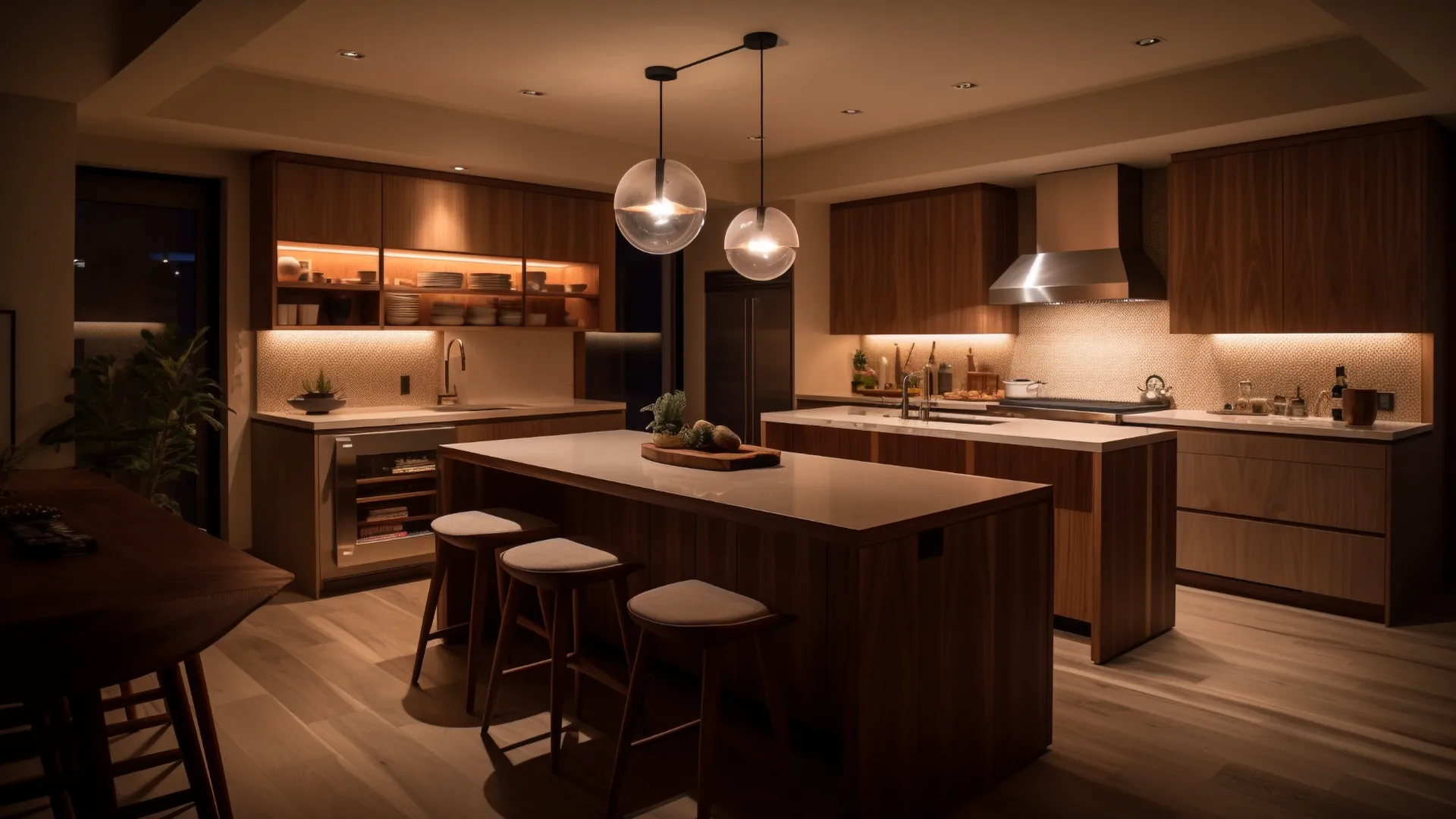
The right kitchen lighting upgrade ideas can change far more than the appearance of a kitchen. Good lighting helps you prepare food safely, see inside cabinets, work comfortably at the countertop, highlight architectural details, and create a more welcoming environment after dark.
Many kitchens rely on one ceiling fixture or a few recessed lights and still end up with dark countertops and unwanted shadows. The problem is usually not a lack of brightness everywhere. It is a lack of light in the places where people actually work.
A better approach is to treat kitchen lighting as a layered system. Combine general illumination with focused task lighting and selected accent or decorative fixtures. This gives you control over how the room functions throughout the day rather than forcing one light source to do everything.
Start With the Way You Use the Kitchen
Before buying fixtures, identify where you perform different activities.
The countertop where you chop vegetables needs different lighting from a breakfast area. The sink may require focused illumination, while a display cabinet may only need subtle accent lighting.
Walk through your normal routine and identify areas where you squint, cast shadows over your work, or need to turn on a brighter light than you would prefer.
Map the Main Work Zones
Typical kitchen lighting zones include:
- Food preparation countertops
- Cooktop or range
- Sink
- Kitchen island
- Pantry
- Dining or breakfast area
- Cabinet interiors
- Walkways and entrances
Mapping these areas prevents you from installing multiple fixtures in one location while leaving another important workspace poorly illuminated.
Consider Natural Light First
Daylight can reduce the amount of artificial lighting needed during daytime hours.
Do not automatically place artificial fixtures where windows already provide adequate illumination. Instead, consider how the kitchen changes after sunset and on cloudy days.
The goal is to supplement natural light, not simply compete with it.
Use Three Lighting Layers Instead of One
One of the most important kitchen lighting upgrade ideas is to combine different lighting layers rather than relying on a single fixture.
The three traditional layers are ambient, task, and accent lighting.
Ambient Lighting for Overall Illumination
Ambient lighting provides general illumination so you can move through the kitchen and see the room as a whole.
Common options include recessed downlights, flush-mount fixtures, semi-flush fixtures, and linear ceiling lights.
The fixture should distribute light across the room rather than concentrating excessive brightness in one central location.
Task Lighting for Work Surfaces
Task lighting directs illumination toward areas where you perform specific activities.
Under-cabinet lighting is particularly valuable because upper cabinets can block light from reaching the countertop. Properly positioned task lighting helps reduce shadows where you chop, mix, read recipes, or clean. Current kitchen-lighting guidance consistently identifies under-cabinet lighting as one of the highest-impact functional improvements.
Accent Lighting for Depth and Atmosphere
Accent lighting is not essential for basic visibility, but it can make the kitchen feel more finished.
Examples include illuminated glass cabinets, above-cabinet lighting, toe-kick LEDs, and lighting inside open shelving.
Use accent lighting selectively. A kitchen does not need every surface illuminated to look sophisticated.
Install Under-Cabinet Lighting for Better Countertop Visibility
Under-cabinet lighting is one of the most practical kitchen lighting upgrade ideas because it places light directly where much of the kitchen work occurs.
Without it, your body can cast a shadow across the countertop even when the ceiling is brightly illuminated.
LED strips, linear light bars, and puck lights are common choices.
Choose Continuous Lighting for Long Counters
An LED strip or linear fixture can provide relatively even illumination along a long countertop.
Puck lights create more concentrated pools of light and can work well when you want to highlight particular areas.
For the cleanest appearance, choose fixtures with suitable diffusers that reduce visible LED points.
Position the Fixture Toward the Front of the Cabinet
Mounting position matters.
A fixture installed too far toward the back of the cabinet may illuminate the backsplash more than the actual work surface.
Positioning it appropriately toward the front underside of the cabinet generally helps distribute light more effectively across the countertop while keeping the fixture less visible from normal standing positions.
Upgrade Recessed Ceiling Lighting
Recessed lights can provide excellent general illumination, but their placement matters more than simply counting fixtures.
A common mistake is positioning every downlight along the center of the room. This can leave the countertop relatively dark because wall cabinets and your body block the light.
Position Ceiling Lights Around Work Areas
Think about where the countertop actually begins rather than treating the kitchen floor as the target.
The goal is to put useful light on surfaces and circulation areas without creating excessive glare.
Exact spacing depends on ceiling height, beam angle, fixture output, cabinet configuration, and the desired illumination level. Avoid using one universal spacing formula for every kitchen.
Consider Adjustable Recessed Fixtures
Adjustable or gimbal-style fixtures can direct light toward specific areas.
They may be useful when the kitchen has unusual geometry, high ceilings, artwork, or areas where fixed downlights would create unwanted shadows.
Add Pendant Lights Above the Kitchen Island
Pendant lights are both functional and decorative.
They can provide task illumination over an island while visually defining the island as the center of the kitchen.
Current kitchen lighting coverage continues to feature pendants, linear suspension fixtures, and statement fixtures as major ways to combine useful illumination with decorative impact.
Choose Pendant Size According to the Island
A large island can usually support larger or multiple fixtures, while a compact island may look better with a smaller pendant or a single linear fixture.
Avoid choosing fixtures based only on how they look individually. Consider the island length, ceiling height, surrounding cabinetry, and sightlines from nearby rooms.
Keep Pendants at a Comfortable Height
Pendants that hang too low can interfere with sightlines and become a physical obstruction.
The finished height should be determined according to the fixture, ceiling height, island surface, and household needs rather than copying a single measurement from another kitchen.
For installations requiring new electrical work, plan the junction boxes and wiring before finishing the ceiling.
Improve Lighting Above the Kitchen Sink
The sink is frequently overlooked during lighting design.
If the sink sits beneath a wall cabinet, window, or another obstruction, the person standing there can easily cast a shadow over the work area.
A recessed fixture, compact pendant, or suitable directional light can provide focused illumination.
Use the Sink Location to Determine the Fixture
If the sink is under a window, a ceiling-mounted fixture may be more appropriate than a pendant.
If there is open ceiling space above it, a decorative pendant can add both task illumination and visual character.
The fixture should be positioned to illuminate the sink without creating glare on reflective water or nearby surfaces.
Add Lighting Inside Cabinets and Pantry Areas
Dark cabinets make it harder to find ingredients, cookware, and serving pieces.
Interior LED lighting can improve visibility, particularly in deep cabinets, glass-front units, and pantry storage.
Use Door-Activated or Motion Lighting
Cabinet lights can be connected to door sensors or motion controls so they illuminate when the storage area is opened.
This can be particularly convenient for pantry cabinets.
For frequently used cabinets, hardwired lighting can provide a cleaner long-term solution. Battery-powered fixtures may be appropriate where wiring is impractical, but battery life and replacement access should be considered.
Illuminate Glass-Front Cabinets
Glass-front cabinets provide an opportunity for subtle accent lighting.
A concealed LED strip or appropriately positioned fixture can highlight glassware, dishes, artwork, or other display pieces.
The light should enhance the contents without creating harsh reflections in the glass.
Keep Display Lighting Subtle
You do not need extremely bright lighting inside display cabinets.
A softer light source can create depth and make the cabinetry visible from adjacent rooms without competing with the main work lighting.
Add Toe-Kick Lighting for a Modern Effect
Toe-kick lighting is installed near the bottom of base cabinets and can create a floating appearance.
It also provides low-level illumination when you enter the kitchen at night.
This makes it particularly useful as a subtle nighttime pathway light.
Use Warm Light for Nighttime Lighting
A warm, low-output light is generally more comfortable at night than bright task lighting.
You can connect toe-kick lighting to a separate switch, dimmer, timer, motion sensor, or smart control depending on the system.
The purpose is not to illuminate the entire kitchen. It is to provide enough visibility for movement without turning on the full lighting system.
Light Above the Cabinets When There Is a Gap
If upper cabinets stop below the ceiling, concealed LED strips can wash light upward.
This can emphasize ceiling height and create a soft glow.
Above-cabinet lighting is especially effective when the upper surface is relatively clean and the ceiling provides a suitable reflective surface.
Do not use the space as an excuse to illuminate clutter. If the cabinet tops are filled with miscellaneous objects, lighting them may draw more attention to the mess.
Choose the Right Color Temperature
Color temperature can significantly change how a kitchen feels.
It is measured in Kelvin, with lower values generally appearing warmer and higher values appearing cooler.
Warm White vs Neutral White
Warm light can create a comfortable residential atmosphere and complement wood cabinetry, warm stone, and brass finishes.
Neutral white can provide a cleaner appearance and may be useful for detailed food preparation.
Many current kitchen lighting recommendations favor warm-neutral ranges around 2700K–3000K, although the best choice depends on the kitchen’s finishes, daylight, and personal preference.
The most important thing is consistency. A countertop illuminated by one color temperature and an adjacent cabinet illuminated by a dramatically different one can make the room feel visually disjointed.
Pay Attention to Color Rendering
Color rendering is particularly important in a kitchen.
A light source with good color rendering makes food, wood, countertops, paint, and other materials appear closer to their intended colors.
Look for fixtures with a suitable CRI (Color Rendering Index) rating, particularly for task lighting.
Current lighting guidance commonly recommends high-CRI LED sources for kitchens because they can make food and interior finishes appear more natural.
Why CRI Matters More Than Brightness Alone
A very bright light is not automatically a good light.
If the color quality is poor, vegetables, meat, wood, and painted surfaces may appear dull or distorted.
For a kitchen, consider both the amount of light and the quality of that light.
Install Dimmers for Greater Control
Dimmers are one of the most useful kitchen lighting upgrade ideas because they allow one lighting system to serve different situations.
You may want bright illumination while preparing food but a softer environment while eating or entertaining.
Separate the Lighting Zones
Where practical, use independent controls for:
- General ceiling lighting
- Under-cabinet task lighting
- Island pendants
- Accent lighting
This allows you to combine different layers rather than turning every fixture on simultaneously.
Current kitchen lighting guidance also recommends separate control of lighting layers and dimming where compatible.
Make a Small Kitchen Feel Larger With Lighting
Lighting can influence how spacious a compact kitchen appears.
Bright work surfaces, consistent ceiling illumination, and carefully placed accent lighting can reduce dark visual corners.
Avoid Overloading a Small Kitchen With Fixtures
A small kitchen does not necessarily need many lights.
Too many visible fixtures can make the ceiling feel crowded.
Instead, prioritize efficient task lighting, an appropriate ambient source, and perhaps one decorative element.
Under-cabinet lighting can be particularly valuable because it provides useful illumination without occupying visual space.
Use Linear Lighting Over a Long Island
A long island does not always need several individual pendants.
A linear suspension fixture can provide a continuous visual element while distributing light along the island.
This can be especially useful in contemporary kitchens where a simpler ceiling profile is preferred.
Choose the fixture according to the island’s length and the desired illumination pattern.
Add Smart Kitchen Lighting
Smart lighting can add convenience without changing the physical appearance of the kitchen.
Depending on the system, you may be able to control brightness, schedules, scenes, or individual lighting zones through a wall control, phone, or voice assistant.
Use Smart Controls for Practical Reasons
Useful applications include:
- Automatically turning pathway lighting on at night
- Scheduling accent lighting
- Dimming lights during meals
- Turning lights off remotely
- Creating a bright cooking scene
- Creating a softer evening scene
Smart controls are most useful when they simplify everyday use rather than adding unnecessary complexity.
Upgrade Lighting Around the Range and Cooktop
The cooking area deserves special attention because steam, heat, and shadows can make visibility difficult.
Many range hoods include integrated lights that can help illuminate the cooking surface.
Do Not Rely Only on Decorative Lighting
Pendant lights or a ceiling fixture may look attractive but may not adequately illuminate the area directly in front of the cook.
If the hood includes suitable task lighting, use it as part of the overall system. Otherwise, consider another appropriately positioned source.
Consider Track Lighting for Flexible Layouts
Track lighting can be useful when the kitchen has multiple work zones or when installing recessed fixtures would be difficult.
Individual heads can be aimed toward the sink, countertop, island, artwork, or other areas.
It can also be useful during renovations where you want to avoid opening large portions of the ceiling.
However, poorly aimed track heads can create glare or uneven illumination. Direction should be planned rather than adjusted randomly after installation.
Use Decorative Fixtures as a Design Element
A statement pendant, chandelier, lantern, or sculptural fixture can become a focal point.
The fixture should complement the kitchen rather than compete with the cabinetry, backsplash, countertop, and hardware.
Match Fixture Scale to the Room
Oversized fixtures can overwhelm compact kitchens.
Very small fixtures can disappear above a large island.
Consider the viewing distance, ceiling height, island dimensions, and surrounding visual weight before choosing a statement piece.
Improve Kitchen Lighting on a Limited Budget
You do not have to redesign the entire electrical system to improve a kitchen.
Start with the areas producing the biggest functional problem.
| Budget level | Useful upgrade | Main benefit |
| Low | Plug-in or rechargeable under-cabinet LEDs | Better countertop visibility |
| Low | New bulbs with appropriate color temperature | Improves light quality |
| Low | Cabinet or pantry lights | Easier storage access |
| Medium | Hardwired under-cabinet lighting | Cleaner permanent task lighting |
| Medium | New ceiling fixture | Improves overall appearance |
| Medium | Pendant over island or sink | Adds task and decorative light |
| Higher | Recessed lighting redesign | Improves whole-room coverage |
| Higher | Multi-zone controls and wiring | Greater flexibility |
The best upgrade depends on what your current kitchen is missing.
Avoid Common Kitchen Lighting Mistakes
A lighting plan can look impressive on paper and still perform poorly if basic problems are overlooked.
Do Not Rely on One Central Ceiling Fixture
One fixture may illuminate the middle of the room while leaving countertops and cabinet interiors dark.
Do Not Put Recessed Lights Behind Your Work Position
If a downlight is positioned too far behind you, your body can cast a shadow over the counter.
Do Not Mix Dramatically Different Light Colors
Using warm bulbs in one area and very cool bulbs in another can make the kitchen look inconsistent.
Do Not Ignore Glare
Glossy countertops, stainless appliances, glass backsplashes, and polished surfaces can reflect poorly positioned fixtures.
Use diffusers, appropriate beam angles, and careful fixture placement to control glare.
Do Not Overlight Everything
More fixtures do not necessarily mean better lighting.
The objective is useful, comfortable illumination—not maximum brightness.
Plan Electrical Work Before Installing Fixtures
Lighting changes can range from simple bulb replacement to substantial electrical work.
If you are adding recessed fixtures, moving junction boxes, installing new switches, or creating separate circuits, the electrical plan should be completed before walls and ceilings are finished.
Use a Qualified Electrician When Needed
Electrical work must comply with applicable local requirements.
A professional can help determine circuit capacity, switch locations, wiring methods, fixture compatibility, and other technical considerations.
This is particularly important in kitchens because lighting may share space with appliances and other electrical loads.
Choose Fixtures Based on Maintenance and Cleaning
Kitchen fixtures are exposed to grease, dust, moisture, and cooking residue.
A fixture with intricate surfaces or exposed grooves may require more cleaning than a simple enclosed design.
Select finishes that are practical for the environment.
For under-cabinet fixtures, consider whether the lens can be cleaned easily and whether replacement components will remain available.
Build a Kitchen Lighting Plan Before Buying Anything
A simple plan can prevent expensive mistakes.
Start by drawing the kitchen from above.
Mark the sink, cooktop, refrigerator, main preparation surfaces, island, pantry, and dining area.
Then assign lighting layers to each zone.
Test the Plan at Night
If possible, observe the kitchen after dark before making final decisions.
Identify areas where shadows occur and determine whether the problem is insufficient brightness or poor fixture position.
This distinction is important. Adding another light does not necessarily fix a badly positioned light.
Think About the Kitchen at Different Times of Day
A useful lighting plan should work during:
- Morning food preparation
- Afternoon cooking
- Evening meals
- Late-night kitchen visits
- Entertaining
Independent controls and dimming make this flexibility much easier.
Frequently Asked Questions
What is the best way to upgrade kitchen lighting?
Start with task lighting, especially under-cabinet lighting over the main countertops. Then improve ambient illumination and add decorative or accent lighting where appropriate.
What type of lighting is best for kitchen countertops?
Under-cabinet LED lighting is one of the most effective options because it directs light directly onto the work surface and reduces shadows created by the person working at the counter.
What color temperature is best for a kitchen?
Warm-neutral lighting around 2700K–3000K is commonly used in residential kitchens. However, the ideal temperature depends on the finishes, natural light, and the atmosphere you want.
Is recessed lighting enough for a kitchen?
Usually, recessed lighting works best as the ambient layer rather than the entire lighting system. Countertops may still need dedicated task lighting, especially underneath wall cabinets.
How many pendant lights should go over a kitchen island?
The number depends on the island’s length, fixture size, ceiling height, and design. Two or three smaller pendants are common for longer islands, while a single larger or linear fixture may work better in other layouts.
Is under-cabinet lighting worth it?
Yes. It can provide direct countertop illumination, reduce shadows, improve visibility during food preparation, and add a softer layer of light when the main ceiling fixtures are dimmed.
What is CRI and why does it matter in kitchen lighting?
CRI, or Color Rendering Index, indicates how accurately a light source reveals colors compared with a reference source. Higher-quality color rendering can make food, cabinetry, countertops, and other materials look more natural.
Can I upgrade kitchen lighting without rewiring?
Often, yes. Plug-in, rechargeable, and some retrofit LED options can improve under-cabinet or accent lighting without major electrical changes. Permanent recessed fixtures, new circuits, or relocated switches may require electrical work.
Should kitchen lights be warm or cool?
Neither is universally correct. Warm-neutral light is commonly preferred for comfortable residential kitchens, while somewhat cooler light may suit certain contemporary spaces or detailed work. Consistency throughout the room is important.
Conclusion
The best kitchen lighting upgrade ideas do not focus on making the room as bright as possible. They focus on putting the right amount and quality of light where it is actually needed.
Start with the kitchen’s work zones, then build a layered system using ambient illumination, task lighting, and carefully selected accent or decorative fixtures. Under-cabinet LEDs can improve countertop visibility, recessed or flush-mounted fixtures can provide general illumination, pendants can define an island, and cabinet or toe-kick lighting can add depth without overwhelming the room.
Pay attention to color temperature, CRI, glare, fixture placement, controls, and maintenance as well. A lighting plan that looks attractive but creates shadows or inconsistent color will not perform as well as a carefully planned system.
When every light has a purpose, even a modest kitchen can feel brighter, more comfortable, safer to work in, and considerably more polished.