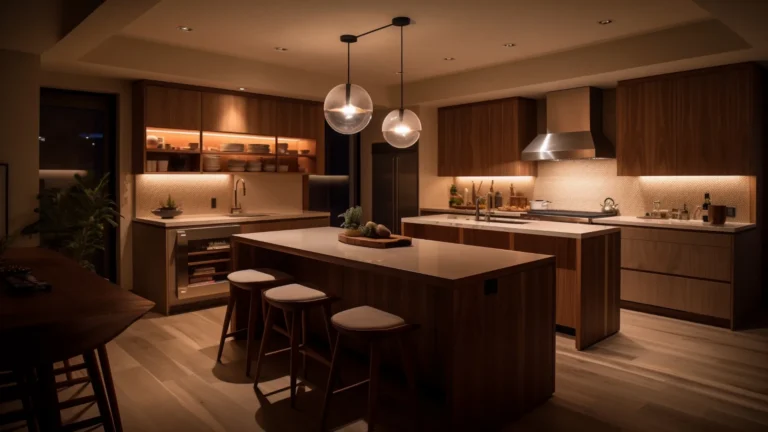
What to Do With Space Above Kitchen Cabinets: 15 Smart Ideas
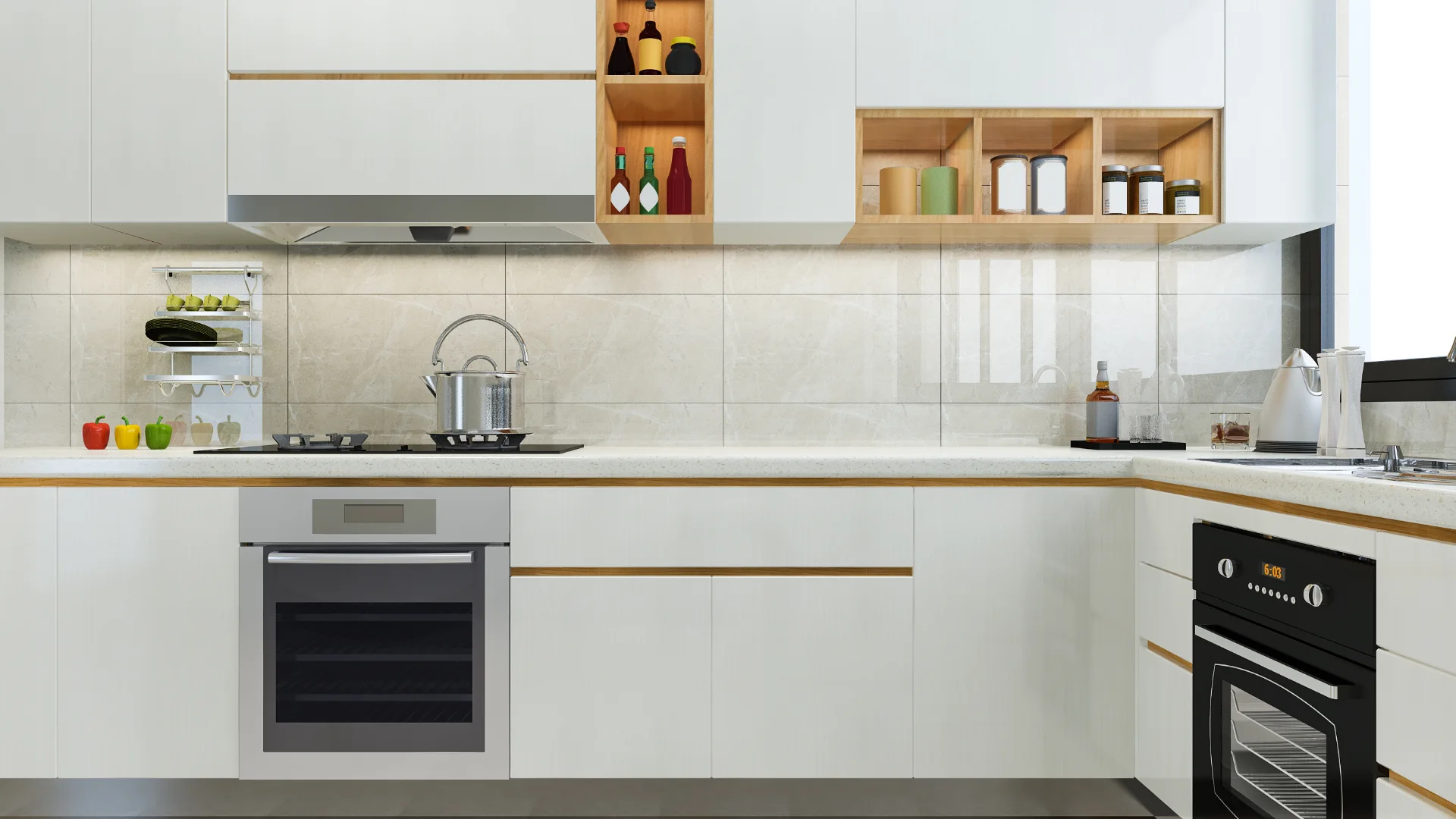
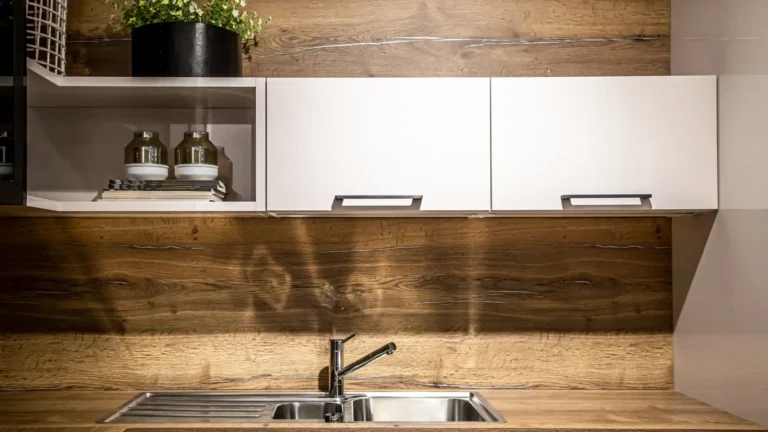
The space above kitchen cabinets can be easy to ignore, but it can also become a useful part of your kitchen design. If you are wondering what to do with space above kitchen cabinets, you have several options beyond filling the area with random decorations. You can use the gap for artwork, pottery, baskets, cookbooks, greenery, or occasional storage. You can also add lighting, continue a wall treatment, extend the cabinetry, build a soffit, or simply leave the area open.
The right choice depends on the size of the gap, your kitchen’s style, how much storage you need, and how much maintenance you are willing to take on.
What Can You Do With the Space Above Kitchen Cabinets?
Before choosing a specific decorating idea, decide what you want the area to accomplish.
| Your goal | Options to consider | Maintenance |
| Add personality | Artwork, pottery, collections | Moderate |
| Add texture | Baskets, wood pieces, greenery | Moderate |
| Store occasional-use items | Baskets, containers, cubbies | Moderate |
| Add ambiance | Concealed lighting | Low to moderate |
| Create a built-in appearance | Cabinet extensions, molding, soffits | Low |
| Make the kitchen feel more finished | Wall treatment or cabinetry | Low |
| Avoid additional cleaning | Leave the area open or close the gap | Low |
15 Ideas for What to Do With Space Above Kitchen Cabinets
1. Display a Curated Collection
A collection can make an empty cabinet top feel intentional without requiring a complete redesign. Consider displaying a small group of ceramic pieces, pottery, vases, decorative bowls, vintage kitchenware, wooden boards, or sculptural objects.
The important part is curation. You do not need to use every decorative item you own. Choose pieces that share a color, material, shape, or general style.
2. Add Artwork
Artwork is another way to make use of vertical space without turning the cabinet tops into storage. Lean framed artwork against the wall or arrange a few smaller pieces together. Food illustrations, landscapes, abstract artwork, and vintage-style kitchen prints can all work depending on the room.
Pay attention to scale. A tiny frame can disappear in a large gap, while several oversized pieces may make the kitchen feel crowded. If you lean frames rather than mounting them, make sure they are stable and positioned where they will not interfere with cabinet doors.
3. Use Decorative Baskets
Baskets are particularly useful when you want above kitchen cabinet decor that also provides some storage. Woven baskets can hold items you do not need every day, such as seasonal textiles, backup supplies, or other lightweight kitchen items. Choose baskets that fit the available depth and height. A row of coordinated baskets usually looks more deliberate than a collection of unrelated containers.
4. Display Cookbooks
Cookbooks can add color and personality to a kitchen while reinforcing the room’s purpose. Stack several books horizontally, stand a few vertically, or combine books with a decorative object. If the cabinet tops are high, however, think of the books primarily as display rather than everyday storage. Cookbooks placed high above cabinets may be difficult to retrieve regularly.
5. Add Greenery
Plants can soften the hard lines of upper cabinetry and introduce natural texture. If the area receives enough natural light and is easy to access, some homeowners may use live plants. Artificial greenery is another option when watering and maintenance would be inconvenient. Trailing greenery can work particularly well around cabinet corners, but keep it positioned so it does not obstruct doors, appliances, or lighting.
6. Create a Seasonal Display
The space can provide a convenient location for small seasonal changes. For example, you might use dried botanicals in fall, simple greenery during winter, light-colored ceramics in spring, or a restrained seasonal collection during holidays. Keep the display limited. Seasonal decorating works better when the area still has some visual breathing room.
7. Display Attractive Kitchenware
Not everything above the cabinets has to be purely decorative. Vintage plates, serving pieces, wooden cutting boards, ceramic pitchers, and other attractive kitchen items can contribute to the design while keeping the display connected to the kitchen. If an item is fragile or valuable, consider whether its elevated location is appropriate before placing it there.
8. Add Soft Lighting
Lighting can change how the upper portion of the kitchen looks, especially in the evening. Concealed lighting above the cabinets can create a soft glow and draw attention to the space without requiring a large decorative object.
Warm-white lighting in the 2700K to 3000K range can be used as a design choice for this type of application. Dimming and concealed wiring can also help create a cleaner appearance. For electrical work or permanent installations, follow the applicable product instructions and local requirements rather than improvising wiring.
9. Continue the Wall Treatment
One of the more architectural approaches to decorating above kitchen cabinets is to treat the wall itself instead of placing objects on the cabinet tops. Depending on the kitchen, options can include continuing a backsplash, wallpaper, painted wall treatment, shiplap, or other decorative paneling.
This approach can work particularly well when you want the space to feel integrated rather than decorated with individual objects.
10. Add a Display Shelf
If the gap is large enough, a shelf can turn an awkward area into a more intentional display zone. A shelf can provide a defined location for pottery, artwork, cookbooks, or other decorative pieces. It can also make the arrangement easier to organize than placing many objects directly on top of the cabinets. For permanent shelving, make sure the installation method and hardware are appropriate for the wall and the intended load.
11. Use It for Infrequently Needed Storage
The space above cabinets can provide additional storage, but it is better suited to things you do not need every day. Examples include seasonal serving pieces, backup pantry supplies, extra kitchen textiles, small appliances that are rarely used, and entertaining supplies. Avoid treating high cabinet-top storage like a normal lower cabinet. If an item requires frequent access, storing it somewhere easier to reach is usually more practical.
12. Build Custom Cubbies
For homeowners who want more organization, the open area can be divided into cubbies. Cubbies can create defined storage spaces for baskets, cookbooks, decorative objects, or backup supplies. This is a more permanent solution than simply adding baskets, so the dimensions and finish should be coordinated with the existing cabinets.
13. Extend the Cabinets Upward
If you are remodeling, consider extending the cabinetry instead of decorating the gap. Stacked cabinets can create additional enclosed storage and give the kitchen a more continuous appearance. This option makes the most sense when you want the space to become part of the cabinetry rather than remain an open display area.
14. Install a Soffit or Enclose the Gap
A soffit can fill the space between upper cabinets and the ceiling, creating a continuous architectural element. This can be particularly useful when the gap is awkwardly sized or when there are pipes, wiring, or other elements that need to be concealed as part of a renovation.
Because this involves construction, it should be planned around the existing cabinetry, ceiling, utilities, and desired finish.
15. Leave the Space Empty
Sometimes the best answer to what to do with space above kitchen cabinets is nothing. An empty gap can provide visual breathing room, especially when the kitchen already contains patterned tile, detailed cabinetry, open shelving, artwork, or other decorative features.
Leaving it empty can also reduce the amount of dusting and rearranging required. You do not need to fill every available surface for a kitchen to look finished.
How to Choose the Right Above-Cabinet Solution
The best kitchen cabinet decor depends less on following a trend and more on what you want the area to accomplish.
If You Want More Storage
Start with baskets, containers, cubbies, or additional cabinetry. For occasional storage, baskets can combine appearance with function. For a larger remodeling project, extending the cabinets provides a more integrated solution.
If You Want More Personality
Choose one or two decorative themes rather than filling the entire space. Artwork, pottery, cookbooks, greenery, or vintage kitchen pieces can all work. Pick items that relate to colors and materials already present in the room.
If You Want a Built-In Look
Consider architectural solutions such as cabinet extensions, stacked cabinets, crown molding, or a soffit. These options require more planning than simply adding above cabinet decor, but they can make the upper portion of the kitchen feel more intentional.
If You Want Less Maintenance
Use fewer objects, choose easy-to-clean surfaces, or leave the area open. Closing the gap with cabinetry or a properly planned architectural treatment can also reduce the exposed surface that needs regular dusting.
Things to Consider Before Decorating Above Kitchen Cabinets
Measure the Space First
Before buying anything, measure the height, depth, and width of the available area. The measurements help determine whether a basket, artwork, shelf, plant, or other object will actually fit. They also prevent you from buying decorative pieces that look too small or too large for the space.
Think About Accessibility
A cabinet top several feet above the floor is not an ideal location for something you use every day. Reserve high areas for decorative pieces or items you only need occasionally. If retrieving something requires a step stool or ladder, consider how often you will realistically want to access it.
Consider Dust and Kitchen Grime
The space above cabinets is exposed and can require cleaning, particularly if it remains open. That matters when deciding between an elaborate collection and a simpler display. Baskets with suitable covers or enclosed cabinetry may also be preferable when you want to keep stored items less exposed.
Match the Existing Kitchen
Look at the materials already in the room before choosing decorations. For example, if your kitchen already has several strong colors, a neutral collection may provide balance.
If the cabinets and walls are simple, artwork or natural materials can introduce more visual interest. The goal is not to make the cabinet tops look like a separate room.
Avoid Filling Every Inch
One of the easiest mistakes is assuming that an empty space needs to be completely filled. A few appropriately scaled pieces can look more intentional than dozens of small objects. Leave enough open space for the cabinetry and ceiling to remain visually connected.
What Not to Put Above Kitchen Cabinets
When deciding what to put above kitchen cabinets, practicality matters as much as appearance. Avoid using the area for things that you need several times a day, are difficult to safely retrieve, are extremely fragile, make cabinet doors difficult to operate, create an unnecessarily crowded display, or require frequent maintenance in a hard-to-reach location.
Also consider the weight and stability of anything placed on an elevated surface. Decorative pieces should be appropriate for the location rather than simply chosen because they look good.
Above-Cabinet Ideas for Different Kitchen Styles
Modern Kitchens
Keep the arrangement restrained. A small collection of sculptural pieces, simple artwork, or carefully concealed lighting can work better than many small decorations.
Traditional Kitchens
Pottery, framed artwork, cookbooks, vintage kitchenware, and classic molding can complement traditional cabinetry.
Farmhouse Kitchens
Woven baskets, natural wood, ceramics, greenery, and vintage-inspired pieces can reinforce a relaxed farmhouse look.
Small Kitchens
Be selective. A crowded cabinet top can make a small kitchen feel visually busy. Consider one strong decorative element, a simple storage solution, or leaving the area open.
Frequently Asked Questions
What should I put in the space above my kitchen cabinets?
You can use artwork, pottery, baskets, cookbooks, greenery, decorative kitchenware, seasonal pieces, or lighting. You can also use the area for occasional storage or modify the cabinetry to close the gap.
Is it a good idea to decorate above kitchen cabinets?
It can be, but it is not necessary. What to do with space above kitchen cabinets depends on your kitchen’s style, available space, storage needs, and tolerance for cleaning.
Leaving the area empty is also a valid design choice.
How do you decorate above kitchen cupboards?
Start by measuring the space and deciding whether you want decoration, storage, or an architectural solution. Then choose a small group of appropriately scaled items that complement the rest of the kitchen.
How can I use the space above kitchen cabinets for storage?
Use baskets, suitable containers, or custom cubbies for items you rarely need. This area is generally better suited to backup supplies and other infrequently used items than things you need every day.
How do I make the space above cabinets look less cluttered?
Use fewer, larger pieces, coordinate colors and materials, and avoid filling every available inch. Grouping similar objects can create a more intentional appearance.
Should I leave the space above my kitchen cabinets empty?
Yes. If the kitchen already has plenty of visual detail, leaving the area empty can create breathing room and reduce maintenance.
How can I close the gap above kitchen cabinets?
Depending on the existing kitchen, options include extending the cabinets, installing stacked cabinets, adding a soffit, or using architectural trim and other finishing treatments.
A remodeling professional can determine which approach works with the existing cabinetry and ceiling.
How do I keep the area above kitchen cabinets clean?
Keep the display simple, avoid unnecessary small objects, and choose items that are practical to clean. If the area is used for storage, containers or baskets can help organize items and reduce exposed clutter.
Conclusion
There is no single answer to what to do with space above kitchen cabinets. You can turn the area into a decorative display with artwork, pottery, greenery, cookbooks, or baskets. You can use it for occasional storage, add lighting, or create custom cubbies. If you are remodeling, extending the cabinets or enclosing the gap with a soffit can create a more integrated appearance.
And if none of those options improve your kitchen, leaving the space empty is perfectly reasonable. The best space above the kitchen cabinets solution is the one that fits your kitchen’s proportions, storage needs, design style, and willingness to maintain the area.