How to Replace Kitchen Cabinets on a Budget
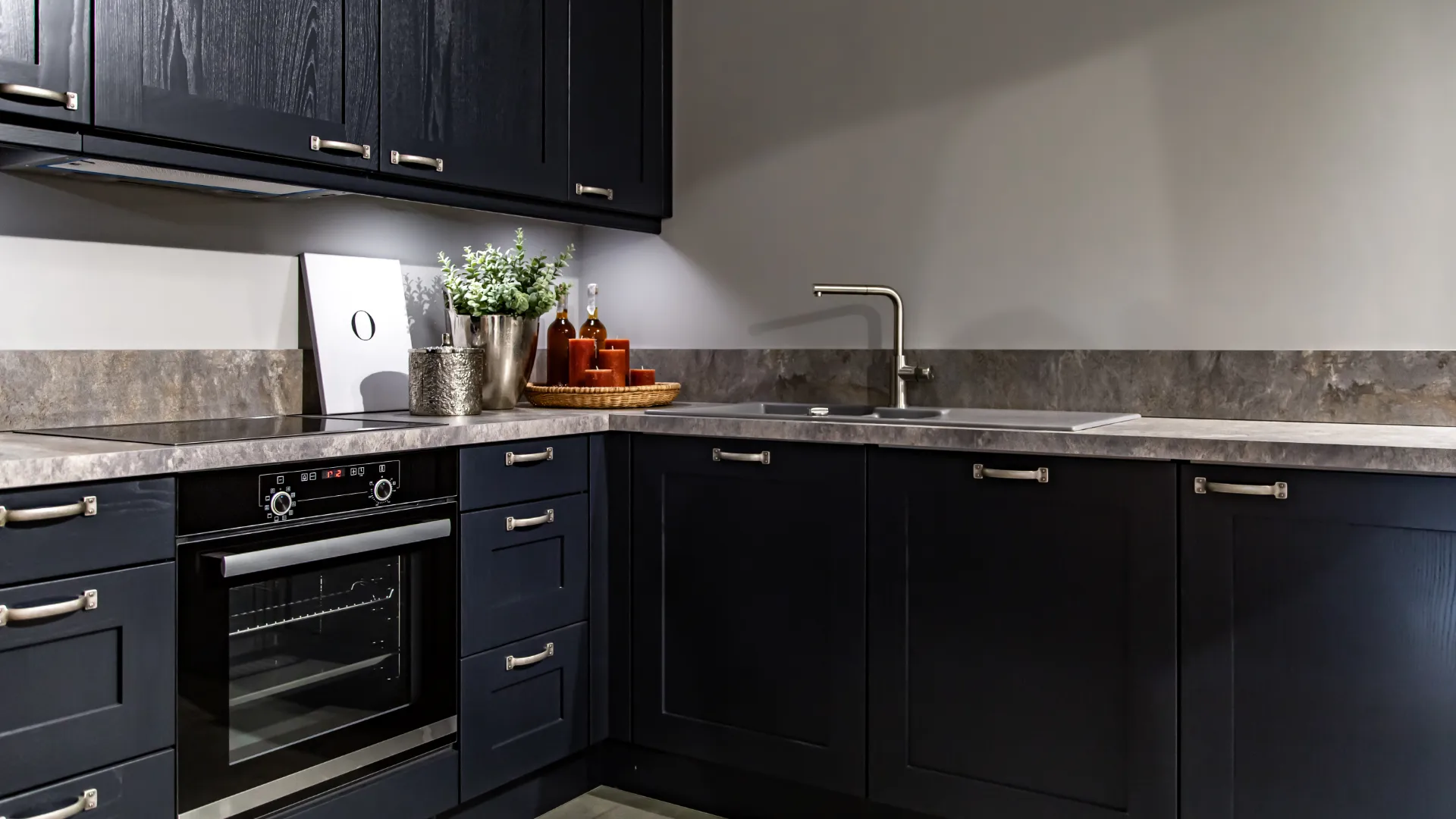
Replacing kitchen cabinets can transform the appearance and functionality of your kitchen, but the expense can quickly increase when you add new materials, installation labor, hardware, and finishing work. The good news is that learning how to replace kitchen cabinets on a budget can help you create a refreshed kitchen without paying for a completely custom renovation. The most affordable approach depends on the condition of your existing cabinets.
If the cabinet boxes are sturdy and the layout works well, you may save more by replacing only the doors, painting the surfaces, or updating the hardware. If the cabinets are damaged, poorly designed, or difficult to use, replacing selected units or installing affordable stock cabinets may be a better long-term investment. Before spending money, assess what needs to change, establish a realistic budget, compare replacement options, and decide which tasks you can safely handle yourself. A thoughtful plan can make a significant difference without compromising essential storage or everyday functionality.
Assess Your Existing Kitchen Cabinets Before Replacing Them
Start by examining the cabinet boxes, doors, drawers, hinges, shelves, and mounting points. The condition of these components determines whether you need a complete replacement or a more affordable update. Open every cabinet and drawer. Look for loose joints, sagging shelves, swollen particleboard, peeling laminate, water damage, broken hinges, and drawer slides that no longer work correctly.
Pay particular attention to cabinets around the sink and dishwasher because leaks can damage the cabinet structure over time. Cosmetic scratches and faded finishes do not necessarily mean the entire cabinet needs replacing. If the boxes remain solid, the doors close properly after minor adjustments, and the layout meets your needs, retaining the existing structure may be the most economical option. However, widespread water damage, mold associated with moisture problems, unstable wall cabinets, or deteriorating cabinet boxes may justify replacement. Address the underlying moisture or structural issue before installing new cabinetry.
Decide Whether to Replace, Reface, or Refinish Cabinets
One of the most important decisions is determining how much of your existing cabinetry actually needs to change. Each option has different costs, labor requirements, and results.
Replace the Entire Cabinet
Complete replacement involves removing the old cabinets and installing new cabinet boxes, doors, drawers, and hardware. Depending on the project, it may also require adjustments to countertops, plumbing, electrical connections, flooring, and wall finishes. This approach makes sense when the cabinets are structurally damaged, the layout needs improvement, or the existing storage is unsuitable. To control expenses, consider stock cabinets with standard dimensions rather than custom cabinetry. Keep the existing layout when it works well, since moving sinks, appliances, or electrical connections can introduce additional costs.
Reface the Existing Cabinets
Cabinet refacing generally keeps the existing cabinet boxes while replacing the doors and drawer fronts and updating the visible exterior surfaces. Depending on the system, matching veneer or other finishing materials may be applied to exposed cabinet frames. Refacing is worth considering when the cabinet boxes are sound but the doors look dated or damaged. It can create a substantial visual change without removing every cabinet. The final price depends on the number of doors and drawers, material selection, finish, and installation requirements. Refacing is not a good solution for cabinets with serious structural or moisture damage.
Refinish or Paint Existing Cabinets
Painting or refinishing is often the least expensive option when the cabinets are still functional and attractive enough to keep. Painting changes the color, while refinishing or staining can restore or alter the appearance of suitable wood surfaces. Proper preparation is essential because kitchen cabinets accumulate grease, fingerprints, and cleaning-product residue. This approach requires time and attention to detail, but it can deliver a noticeable transformation without the expense of buying new cabinets.
Choose Affordable Replacement Kitchen Cabinets
If replacement is necessary, the type of cabinet you choose will have a major effect on your budget.
Stock Kitchen Cabinets
Stock cabinets are manufactured in standard sizes and finishes. They are generally a practical choice for budget-conscious renovations because they are produced in established configurations rather than built specifically for one kitchen. They can work particularly well when you retain the existing layout and choose dimensions that fit the available space. Before buying, check the cabinet dimensions, construction, shelf arrangement, finish, warranty, and included hardware. A low purchase price is less attractive if the cabinets require extensive modifications or additional components.
Ready-to-Assemble Cabinets
Ready-to-assemble, or RTA, cabinets are supplied in parts that the buyer or installer assembles before installation. They can reduce the upfront purchase cost, particularly for homeowners who have the tools, time, and experience to assemble them correctly. However, assembly requires careful attention to alignment, fasteners, and manufacturer instructions. Compare the total cost rather than the advertised cabinet price alone. Delivery, assembly time, installation, fillers, trim, and finishing pieces can affect the final amount.
Used or Salvaged Cabinets
Used cabinets can be an affordable option when they are in good condition and their dimensions suit your kitchen. Check for water damage, odors, pests, missing hardware, damaged hinges, and weakened joints. Confirm that the cabinets can be transported safely and that their configuration fits your available space. Salvaged cabinets may require cleaning, repairs, refinishing, or replacement doors. Include those expenses in your calculations before deciding that used cabinetry is the cheapest option.
Semi-Custom Cabinets
Semi-custom cabinets provide more flexibility in dimensions, finishes, and storage features than standard stock products. They generally cost more than basic stock cabinets but may be useful when standard sizes cannot fit your kitchen efficiently. If your budget is limited, reserve semi-custom features for areas where they solve a specific problem rather than upgrading every cabinet.
Keep the Existing Kitchen Layout
Keeping the existing layout is one of the simplest ways to control the cost of replacing kitchen cabinets. When you move a sink, dishwasher, range, or refrigerator, other work may become necessary. Plumbing connections, electrical outlets, ventilation, countertops, and flooring can all be affected. A layout change may be worthwhile when the current kitchen has serious workflow or storage problems. However, if the arrangement works well, replacing cabinets within the existing footprint can help limit additional labor and material costs. Measure carefully before ordering. Even small differences in cabinet dimensions can affect filler pieces, countertop fit, appliance clearances, and door openings.
Replace Only the Cabinets That Need It
You do not always need to replace every cabinet at once. If most of the cabinetry is sound but a few units are damaged, consider replacing only those sections. For example, a water-damaged sink base may need replacement while the surrounding wall cabinets can remain. The challenge is achieving a consistent appearance. New cabinet finishes may not match older surfaces exactly, especially when the original finish has faded or changed color over time.When choosing new cabinets, consider how their color and finish will work with your countertops, flooring, and backsplash. You do not need to replace every surface to create a coordinated look; practical Budget kitchen upgrades can help you identify smaller improvements that complement your new cabinetry without stretching your renovation budget.
You may be able to create a coordinated result by refinishing the existing cabinets and using replacement units with complementary finishes. Another option is to use a different finish on an island or a separate cabinet section as an intentional design feature. Before committing, compare the cost of partial replacement with refacing or refinishing the entire visible cabinet run.
Update Cabinet Doors Instead of Replacing Everything
Cabinet doors have a substantial influence on the kitchen’s overall appearance. If the boxes are in good condition, replacing the doors and drawer fronts may provide the change you want without the cost of a complete cabinet installation. New flat-front doors can create a more contemporary appearance, while Shaker-style fronts can provide a familiar transitional look. The best choice depends on your kitchen’s design and the dimensions of the existing cabinet frames.
Measure the openings carefully and confirm hinge compatibility before ordering. You may need new hinges, mounting plates, drawer fronts, or adjustment hardware. You should also consider whether the existing cabinet frames will be visible after the new doors are installed. Matching the frames and doors can help the finished kitchen look intentional rather than pieced together.
Paint Kitchen Cabinets to Save Money
If your cabinet boxes and doors are in good condition, painting may offer the greatest visual improvement for the money. The most important part of a successful cabinet painting project is preparation. Paint applied over grease, loose finishes, or glossy surfaces may not adhere properly, leading to peeling or uneven results.
How to Paint Kitchen Cabinets on a Budget
- Empty the cabinets. Remove dishes, food, and other stored items so you can work without contaminating them with dust or paint.
- Remove doors and drawer fronts. Label each piece so you can reinstall it in the correct location.
- Remove the hardware. Store screws, hinges, and pulls in labeled bags if you intend to reuse them.
- Clean and degrease the surfaces. Follow the cleaner manufacturer’s instructions and allow the surfaces to dry.
- Repair visible damage. Fill suitable holes, address loose joints, and repair minor surface defects.
- Sand as required. Prepare the existing finish according to the paint system’s instructions. Remove dust before proceeding.
- Apply the appropriate primer. Use a compatible bonding primer when required for the existing surface.
- Apply cabinet-grade paint. Use thin, even coats and allow the specified drying time between applications.
- Let the finish cure. Follow the manufacturer’s instructions before reinstalling hardware or placing heavy items against freshly painted surfaces.
- Reinstall and adjust everything. Check that the doors align, drawers move freely, and hinges operate correctly.
Painting takes time, and the kitchen may be less convenient to use during the project. Still, it can be considerably less disruptive than removing and replacing every cabinet. If your home was built before 1978 and the existing painted surfaces may contain lead, follow the appropriate lead-safe procedures and seek qualified help when needed.
Replace Outdated Cabinet Hardware
New knobs, pulls, and hinges can make older cabinets look more current without requiring a major renovation. Matte black hardware can create contrast against light cabinets, while brass or bronze finishes can complement warm wood and neutral paint colors. Stainless steel and brushed nickel can also suit a wide range of kitchens.
Before purchasing new pulls, measure the distance between the existing mounting holes. Matching the hole spacing can prevent unnecessary drilling, filling, and refinishing. If you choose a different size, make sure the new hardware will cover the old holes where appropriate. Check that the pulls are comfortable to use and that doors and drawers have enough clearance. Replacing damaged or unreliable hinges may also improve functionality. Hardware upgrades are relatively small changes, but they can make the finished cabinetry feel more cohesive.
Add Trim or Molding for a Custom Appearance
Simple trim can make standard cabinets look more finished without the expense of custom-built cabinetry. Crown molding can create a more integrated transition between upper cabinets and the ceiling. Slim door molding can add detail to suitable flat-front doors, while carefully fitted filler pieces can close gaps between cabinets and walls.
For a budget-friendly result, choose a restrained profile that complements the existing kitchen. Elaborate molding may require more cutting, filling, sanding, and painting, increasing both material and labor costs. Measure the cabinet runs and ceiling carefully before buying materials. Uneven walls and ceilings can make installation more complicated than expected. If you add plywood extensions above upper cabinets to create a taller appearance, secure the materials appropriately and plan how seams will be covered. The extension should look intentional and should not interfere with ventilation or other required clearances.
Improve Cabinet Storage Without Buying More Units
A cabinet replacement project is an opportunity to reconsider how the existing storage works. Sometimes the kitchen feels inadequate because shelves, drawers, and corners are poorly organized rather than because there are too few cabinets. Affordable storage improvements may include:
- Adding shelf dividers for trays and cutting boards.
- Installing pull-out organizers in suitable base cabinets.
- Using drawer dividers for utensils and cooking tools.
- Adding compatible shelf inserts to make better use of vertical space.
- Organizing under-sink storage around plumbing and cleaning supplies.
- Using suitable pull-out solutions for difficult-to-reach corners.
Check the usable dimensions and weight capacity of each cabinet before installing organizers. Some pull-out systems require modifications or specific clearances. Prioritize the storage changes that solve everyday problems. You may not need expensive accessories in every cabinet to make the kitchen easier to use.
Replace Cabinet Shelves, Hinges, or Drawer Slides
You can sometimes extend the life of existing cabinets by repairing individual components. Damaged shelves may be replaceable with properly sized panels. Worn hinges can often be replaced with compatible hardware, while drawer slides may be upgraded if the cabinet construction allows it. Before purchasing parts, identify the cabinet material, thickness, mounting method, and dimensions. Check whether the replacement component is designed for the expected load.
Do not simply reinforce a cabinet that is pulling away from the wall or has deteriorated mounting points. Wall cabinets must be secured appropriately to suitable structural support, and significant installation problems should be handled by a qualified professional. Repairing sound cabinets can be economical, but safety and structural condition should take priority over cosmetic savings.
Compare Cabinet Installation Costs Before Hiring a Professional
Even affordable cabinets can become expensive if installation costs are underestimated. Your total project cost may include cabinet removal, disposal, assembly, installation, leveling, fillers, trim, hardware, countertop work, and repairs to walls or flooring. The final amount depends on the kitchen’s size, cabinet type, layout, local labor rates, and the amount of preparation required.
Request itemized estimates from more than one qualified installer. Make sure the estimates cover comparable work, including removal of the old cabinets, installation of the new ones, and any necessary finishing. Ask whether the contractor has included delivery, assembly, disposal, and additional work that may become necessary if the existing walls or floors are uneven. Do not compare estimates solely by their total price. A lower bid may exclude important services or use different materials.
DIY Installation vs. Professional Installation
Installing cabinets yourself can reduce labor expenses if you have the necessary tools, experience, and time. However, cabinet installation requires accurate measurements, level positioning, appropriate fastening, and careful alignment. Upper cabinets also need suitable structural support to carry their intended loads.
DIY work may be reasonable for experienced homeowners installing straightforward stock cabinets. More complicated kitchens, uneven walls, heavy cabinets, or projects involving plumbing and electrical changes may require professional assistance. A practical compromise is to handle lower-risk tasks yourself, such as removing cabinet contents, labeling hardware, painting suitable surfaces, or assembling cabinets according to instructions, while hiring a professional for structural installation and specialized work. Remember that mistakes can be expensive to correct. Saving on labor is worthwhile only when the finished installation is safe and properly executed.
Common Mistakes to Avoid When Replacing Kitchen Cabinets on a Budget
Buying cabinets before measuring: Incorrect dimensions can lead to expensive returns, unusable units, and awkward gaps. Choosing solely by the lowest price: Weak construction, missing components, or unsuitable dimensions can increase the final cost. Replacing cabinets that could be repaired: Sound cabinet boxes may be worth keeping if painting, refacing, or new doors can meet your needs. Ignoring hidden damage: Installing new cabinets without addressing leaks, mold, or damaged walls can create further problems. Underestimating installation costs: Assembly, leveling, fillers, removal, and disposal can add substantially to the purchase price. Choosing finishes without considering the whole kitchen: Cabinet color, countertops, flooring, backsplash, and hardware should work together. Rushing the painting process: Inadequate cleaning, preparation, primer, or curing time can undermine the finish. Skipping a contingency: Set aside money for unexpected repairs or missing components rather than spending the entire budget on cabinets.
How to Create a Realistic Cabinet Replacement Budget
Start with the maximum amount you can comfortably spend, then divide it into major project categories.
| Budget category | What to include |
| Cabinets | Stock, ready-to-assemble, used, or replacement units |
| Hardware | Knobs, pulls, hinges, and drawer slides |
| Preparation | Repairs, cleaning supplies, and surface preparation |
| Installation | Assembly, mounting, leveling, and fitting |
| Finishing | Paint, primer, trim, fillers, and touch-ups |
| Removal | Old cabinet removal and disposal |
| Related work | Countertop adjustments, plumbing, electrical, or flooring repairs |
| Contingency | Unexpected damage, missing parts, and additional labor |
Obtain actual prices for your kitchen rather than relying on a single national estimate. Costs vary with cabinet dimensions, materials, project complexity, and location. A useful approach is to price two or three alternatives: a cosmetic refresh, partial replacement, and complete replacement. Comparing the total costs will help you see whether replacing every cabinet provides enough additional value to justify the expense.
FAQs About Replacing Kitchen Cabinets on a Budget
What is the cheapest way to replace kitchen cabinets?
If the existing cabinet boxes are in good condition, painting, refinishing, replacing doors, or changing hardware may be cheaper than complete replacement. If new cabinets are necessary, stock or ready-to-assemble options may help control material costs.
Is it cheaper to reface or replace kitchen cabinets?
Refacing is often less expensive than replacing all the cabinetry because the existing cabinet boxes remain in place. However, the final cost depends on the number of doors and drawers, materials, labor, and the condition of the original cabinets.
Can I replace kitchen cabinets without replacing countertops?
Sometimes. If the countertop can be removed and reinstalled safely, or if the cabinet work does not require disturbing it, you may be able to retain it. The feasibility depends on the countertop material, attachment method, cabinet configuration, and condition. Some installations require countertop replacement or professional removal.
Can I replace kitchen cabinets one at a time?
Yes, in some kitchens. Partial replacement can spread the cost over time, especially when individual units are damaged. However, matching finishes, dimensions, and countertop support can be challenging, so plan the complete design before replacing individual sections.
Are ready-to-assemble kitchen cabinets worth it?
They can be worthwhile if you want to reduce upfront cabinet costs and are comfortable assembling them correctly. Compare construction quality, hardware, shipping, assembly time, installation requirements, and warranty coverage before buying.
How can I make inexpensive kitchen cabinets look more expensive?
Choose coordinated finishes, use quality-looking hardware, align doors carefully, add restrained trim where appropriate, and keep the kitchen clean and organized. Proper installation and finishing often make a bigger difference than decorative extras.
Should I paint cabinets or buy new ones?
Paint cabinets when the boxes and doors are sound and the layout works for you. Consider replacement when the cabinetry is structurally damaged, badly configured, or no longer meets your storage needs.
Conclusion
Learning how to replace kitchen cabinets on a budget starts with identifying what genuinely needs to change. Full replacement may be the right solution for damaged or poorly designed cabinetry, but it is not the only way to achieve a refreshed kitchen. If your cabinet boxes are sound, consider painting, refacing, replacing doors, updating hardware, or improving storage. If replacement is necessary, compare stock, ready-to-assemble, and used cabinets while keeping the existing layout when practical.
Finally, budget for installation, removal, finishing, and unexpected repairs before placing an order. The best result is not necessarily the kitchen with the newest cabinets. It is the one that meets your storage needs, looks cohesive, functions safely, and fits your available budget. Add a quick decision guideInclude a sample budget breakdown