What Is the Most Expensive Part of a Kitchen Remodel? Expert
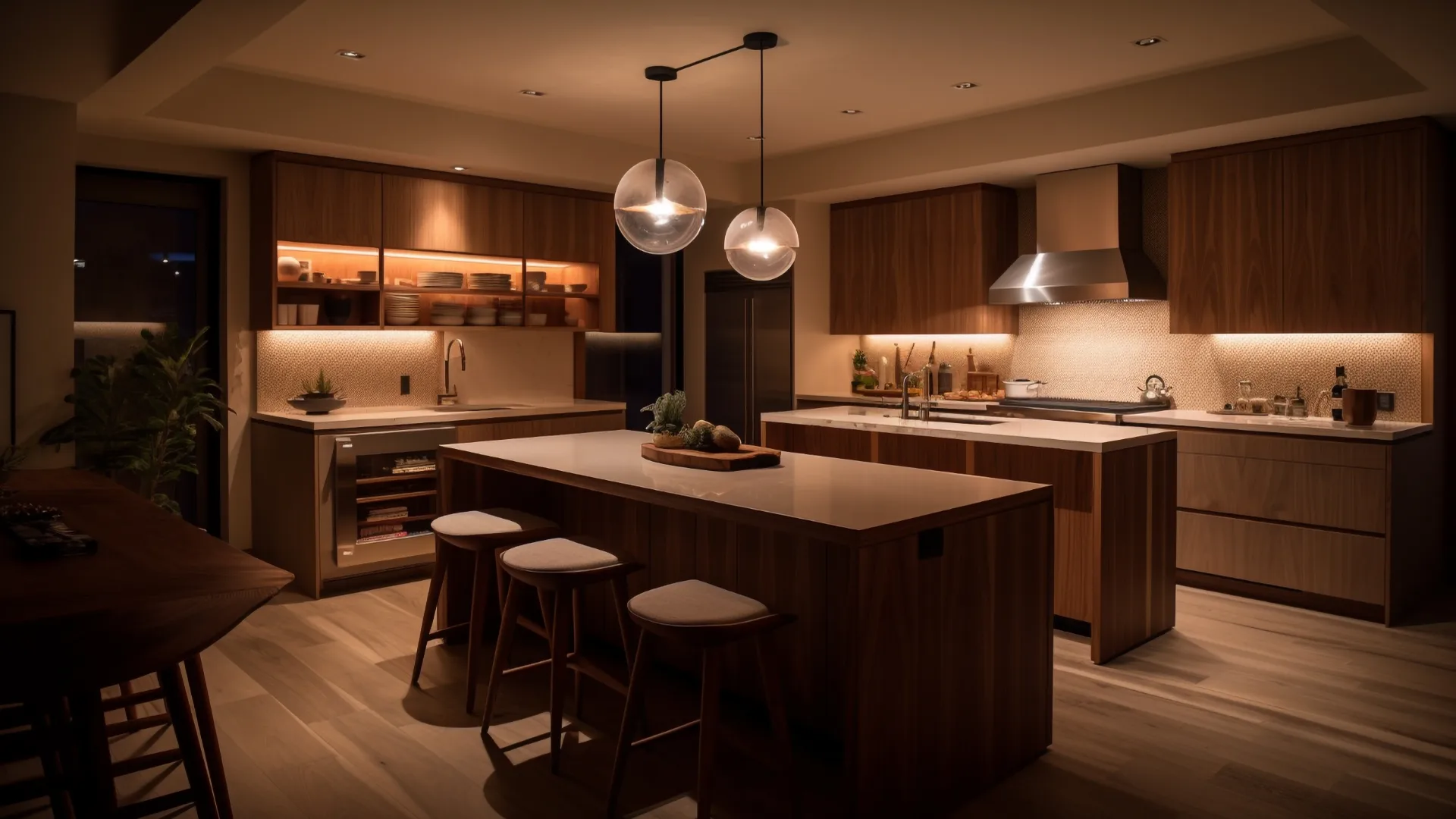
If you are wondering what is the most expensive part of a kitchen remodel, the answer is usually cabinetry. Cabinets commonly take the largest share of a kitchen renovation budget because they combine substantial material costs with design, manufacturing, hardware, finishing, delivery, and installation. NAHB describes cabinetry as a major big-ticket item in a kitchen, with the relationship between cost and quality becoming especially noticeable as homeowners move from engineered or lower-cost materials toward higher-quality hardwood construction.
However, cabinets are not the only expense that can make a kitchen remodel expensive. Labor, layout changes, countertops, appliances, plumbing, electrical work, and structural modifications can all have a major impact on the final price. The important distinction is that cabinetry is usually the largest single category, while the overall project can become most expensive because of the combination of several categories.
What Is the Most Expensive Part of a Kitchen Remodel?
Kitchen cabinets are generally the most expensive single part of a kitchen remodel. Current remodeling guides commonly place cabinetry somewhere around 25% to 40% of the overall project budget, although the exact percentage varies by project. Earthtone Construction, for example, estimates cabinetry at roughly 30% to 40% of the total budget.
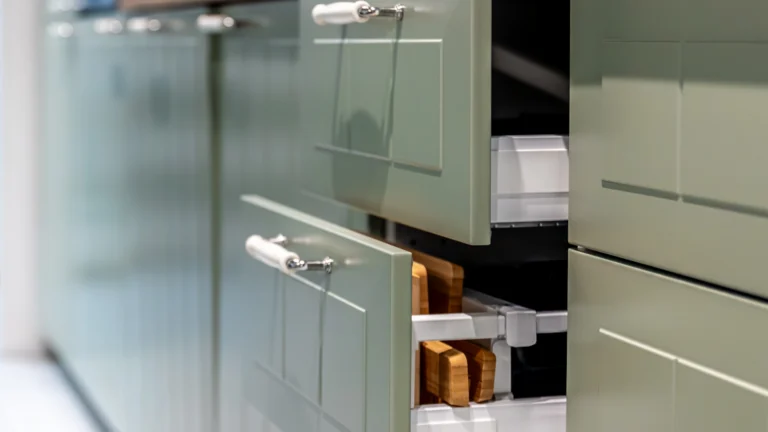
The reason is straightforward. A kitchen contains a large amount of cabinetry, and those cabinets are not simply wooden boxes. Their price can include cabinet construction, doors, drawer systems, finishes, hinges, specialty storage, trim, fillers, delivery, and installation. The more customized the kitchen becomes, the more quickly this category can grow.
Why Are Kitchen Cabinets So Expensive?
Cabinetry combines several costs into one major category. You are paying for the materials used to construct the cabinets, the manufacturing process, the finish, hardware, storage accessories, transportation, and installation.
Custom cabinetry also requires measurements and construction specifically for your kitchen. That means unusual walls, corners, ceiling heights, appliance requirements, or specialized storage can require additional design and manufacturing work. Installation adds another layer because cabinets need to be accurately positioned, leveled, secured, aligned, and finished. NAHB notes that cabinet construction and material quality have a direct relationship with cost and durability.
Stock vs. Semi-Custom vs. Custom Cabinets
One of the biggest decisions affecting the cost of cabinetry is the type you choose.
Stock Cabinets
Stock cabinets are manufactured in standard sizes and typically offer a limited selection of finishes and configurations. They are generally the most budget-friendly option because manufacturers can produce them in larger quantities. The trade-off is less flexibility. If your kitchen has unusual dimensions, you may need fillers or other modifications to make standard cabinets fit.
Semi-Custom Cabinets
Semi-custom cabinets sit between stock and fully custom cabinetry. They typically offer more choices in dimensions, finishes, door styles, storage features, and configurations while still using standardized manufacturing processes. For many homeowners, this can be a useful middle ground between affordability and design flexibility.
Custom Cabinets
Custom cabinets are designed and built specifically for your kitchen. They are particularly useful when the kitchen has unusual dimensions, difficult corners, specialized storage requirements, or a layout that cannot be handled efficiently with standard sizes.
The additional design and manufacturing work makes them the most expensive cabinet option. If you want to control the budget, compare what you actually need from custom cabinetry before assuming every cabinet needs to be fully customized.
Cabinet Installation Can Add Significantly to the Cost
The price of cabinets is not limited to the cabinets themselves. Installation can represent a significant portion of the cabinetry expense because the installer must work with existing walls and floors that may not be perfectly level or square.
Cabinet installation may involve:
- Leveling and securing cabinet boxes
- Installing fillers and panels
- Aligning doors and drawers
- Installing crown molding or trim
- Adding toe kicks
- Installing hardware
- Fitting specialty storage components
- Making adjustments around appliances
Earthtone Construction also points out that trim, molding, interior accessories, and installation labor can become hidden cabinet costs. This is why comparing cabinet quotes based only on the price of the boxes can give you an incomplete picture.
What Is the Second Most Expensive Part of a Kitchen Remodel?
After cabinetry, labor and installation are often among the largest expenses. Labor becomes especially significant when a remodel involves several trades. A full renovation can require demolition, carpentry, plumbing, electrical work, flooring installation, cabinet installation, countertop installation, painting, tile work, and project coordination.
Some remodeling projects have relatively inexpensive materials but high labor requirements. Others use premium materials that increase the material portion of the budget. Earthtone Construction identifies labor and layout changes as major cost drivers after cabinetry. This is why it is more useful to look at the entire project rather than focusing only on the price of cabinets.
How Much Does Labor Affect a Kitchen Remodel?
Labor can become one of the most expensive parts of a kitchen renovation when the project involves substantial construction. A contractor may need to coordinate multiple specialists, schedule inspections, manage demolition, install cabinets, complete finish work, and deal with unexpected conditions behind the walls.
The complexity of the kitchen matters just as much as its physical size. A small kitchen with relocated plumbing, new electrical circuits, structural modifications, and custom cabinetry can require more labor than a larger kitchen where the existing layout stays intact.
Layout Changes Can Make a Kitchen Remodel Much More Expensive
One of the biggest cost multipliers is changing the kitchen’s existing footprint. Moving a cabinet is relatively straightforward. Moving the plumbing, gas, electrical, or structural elements behind that cabinet is a different matter. For example, moving a sink can require new water supply and drain connections. Moving a gas range can require gas-line modifications. Removing a wall can involve structural engineering and additional framing.
Earthtone Construction identifies layout changes as one of the fastest ways to increase remodeling costs because seemingly simple changes can require extensive work behind the finished surfaces. If your current kitchen layout works reasonably well, keeping the major utility locations can be one of the most effective ways to protect your budget.
Countertops Are Another Major Kitchen Remodeling Expense
Countertops are generally one of the largest expenses after cabinets and labor. The final price depends on the material, amount of countertop surface, fabrication, edge treatment, sink cutouts, appliance cutouts, installation, and complexity of the layout.
A basic laminate countertop can be relatively affordable, while premium quartz, natural stone, or specialty slabs can significantly increase the budget. The shape of the countertop matters too. Islands, curves, multiple seams, unusual corners, waterfall edges, and large cutouts can increase fabrication complexity. This means two kitchens with the same amount of countertop surface can still have very different countertop costs.
Are Appliances One of the Most Expensive Parts of a Kitchen Remodel?
Appliances can become one of the largest expenses, particularly when homeowners choose premium or professional-grade models. A basic appliance package and a luxury appliance package can represent dramatically different budgets. Common kitchen appliances include:
- Refrigerator
- Range or cooktop
- Oven
- Dishwasher
- Microwave
- Range hood
- Wine refrigerator or specialty appliances
The Department of Energy recommends considering energy-efficient appliances as part of remodeling decisions. Appliance selection should also be coordinated with the kitchen’s electrical and ventilation requirements. A useful approach is to decide which appliances actually need replacement rather than automatically replacing every appliance during the renovation.
Kitchen Ventilation Can Add to the Cost
Ventilation is another area that can become expensive when a remodel changes the cooking setup. A simple range hood replacement may be relatively straightforward. Installing a new ducted exhaust system can require substantially more work, particularly if there is no existing duct route to the exterior. nThe Department of Energy notes that properly designed kitchen exhaust systems need to account for equipment layout, exhaust airflow, ductwork, and makeup air.
DOE’s residential building guidance also notes that kitchen exhaust should be properly designed because oversized exhaust systems can create pressure problems and potentially contribute to backdrafting of combustion appliances. If you are changing the range or range hood during a major renovation, address ventilation before the walls and ceilings are finished.
Flooring Usually Costs Less Than Cabinets, but It Still Matters
Flooring generally takes a smaller share of a kitchen remodel budget than cabinetry, but the cost can increase with premium materials or difficult installation conditions. Material choices include vinyl, laminate, tile, engineered wood, hardwood, and other flooring products.
The existing subfloor can also affect the final cost. If demolition reveals water damage, uneven areas, or structural problems, additional preparation may be required before the new floor can be installed. For a budget-conscious remodel, the goal is not necessarily to choose the cheapest flooring. It is to choose a material that provides the durability and appearance you need without consuming money better spent elsewhere.
Plumbing and Electrical Work Can Become Expensive
Plumbing and electrical work may not initially look like major expenses because they are hidden behind cabinets and walls. However, moving these systems can dramatically increase labor requirements. Electrical work may include new circuits, outlets, switches, lighting, appliance connections, or upgrades required by the project. Plumbing work may include relocating the sink, dishwasher, refrigerator water line, garbage disposal, or other fixtures. The cost increases further when the work requires opening finished walls, cutting floors, or upgrading older systems. For this reason, keeping existing utility locations is often more important for the budget than keeping a particular countertop or backsplash material.
What Is the Most Expensive Kitchen Remodel Scenario?
The most expensive scenario is usually not one individual material. It is a high-end remodel that combines custom cabinetry, premium appliances, expensive countertops, extensive labor, and major layout or structural changes. A luxury renovation may involve removing the kitchen down to the framing, changing walls, relocating plumbing and electrical systems, installing custom cabinets, adding premium appliances, and using high-end finishes.
Earthtone Construction categorizes high-end kitchen renovations at substantially higher budgets because they combine many of these cost drivers rather than relying on one expensive product. The important lesson is that costs compound. Choosing custom cabinets alone does not necessarily create an extreme budget. Choosing custom cabinets plus a new layout, premium appliances, luxury countertops, structural changes, and extensive electrical and plumbing work can.
Kitchen Remodel Cost Breakdown by Category
The exact percentages vary between projects, but current remodeling sources consistently place cabinetry at or near the top. A useful planning framework looks like this:
| Cost category | Typical position in the budget |
| Cabinetry | Usually the largest single category |
| Labor and installation | One of the largest expenses |
| Countertops | Major material expense |
| Appliances | Highly variable depending on quality |
| Flooring | Moderate expense |
| Electrical | Varies greatly with scope |
| Plumbing | Increases substantially when fixtures move |
| Lighting | Moderate, but can rise with extensive electrical work |
| Backsplash and tile | Usually smaller, but labor-intensive designs cost more |
| Permits and design | Depends on location and project complexity |
These should be treated as planning categories rather than universal percentages. Different contractors may include installation, design, demolition, or project management under different line items.
What Makes Custom Cabinets More Expensive?
Several features can increase the price of custom cabinetry.
Unusual Dimensions
Odd wall lengths, angled walls, low ceilings, and difficult corners can require individually sized components.
Premium Materials
Hardwood species, specialty veneers, high-quality finishes, and other premium materials can increase the price. NAHB notes that higher levels of hardwood construction generally correspond with higher cabinet costs and quality.
Specialty Storage
Pull-out shelves, pantry systems, appliance garages, recycling centers, drawer organizers, lazy Susans, and other accessories add both material and installation costs.
Decorative Details
Crown molding, decorative panels, light rails, finished ends, glass doors, and other architectural details can increase the amount of material and labor required.
How Can You Save Money on the Most Expensive Part of a Kitchen Remodel?
Since cabinetry is usually the largest single expense, controlling cabinet costs can have a noticeable effect on the entire budget.
Keep the Existing Cabinet Layout
If the current cabinet configuration works, keeping it can reduce both cabinet modifications and related plumbing or electrical work.
Consider Refacing
If the existing cabinet boxes are structurally sound, refacing can provide a substantial visual change without replacing every cabinet box.
Choose Semi-Custom Instead of Fully Custom
Semi-custom cabinetry can provide more design flexibility than stock cabinets without the full cost of completely custom construction.
Limit Specialty Accessories
Choose storage accessories where they genuinely improve how you use the kitchen. Not every drawer needs a specialized organizer, and not every cabinet needs a pull-out mechanism.
Use Standard Cabinet Sizes
Designing around standard cabinet dimensions can reduce fillers, modifications, and custom fabrication.
Spend More Where It Matters
If you have a limited budget, prioritize the cabinet areas that are used most often and keep less visible areas simpler.
How to Control the Cost of a Kitchen Remodel Without Making It Look Cheap
Saving money does not necessarily mean choosing the cheapest product in every category. Instead, use value engineering. Value engineering means looking for a less expensive way to achieve the same functional visual result. For example, you might choose semi-custom cabinets instead of fully custom cabinets while maintaining the same overall design style. You could also select a simpler countertop edge, reduce specialty storage accessories, keep the existing plumbing locations, or choose a mid-range appliance package. The goal is to remove unnecessary costs while protecting the features that matter most to you. When planning your spending, it helps to separate essential work from improvements that can wait. Looking at Budget kitchen upgrades can help you prioritize where your money should go before you commit to larger remodeling decisions.
Which Kitchen Remodeling Upgrades Are Worth Paying More For?
Not every upgrade deserves the same amount of money. It can make sense to spend more on components that are difficult or expensive to replace later. Cabinet construction, durable hardware, good lighting, appropriate ventilation, and appliances that you use every day can all deserve careful consideration. The Department of Energy recommends considering energy-efficient appliances and appropriate kitchen ventilation as part of remodeling decisions rather than treating energy performance as an afterthought.
At the same time, expensive decorative features are not automatically better. A premium backsplash or unusual countertop edge may look impressive, but it should not consume money needed for electrical, plumbing, ventilation, or other functional improvements.
What Are the Hidden Costs of a Kitchen Remodel?
Some expenses are easy to miss when creating the original budget.
Demolition and Disposal
Removing cabinets, countertops, flooring, drywall, or other materials takes labor and may require disposal services.
Wall and Subfloor Repairs
Demolition can reveal damaged drywall, uneven floors, moisture damage, or other problems.
Electrical Upgrades
Older kitchens may require electrical improvements when new appliances, lighting, or outlets are added.
Plumbing Modifications
Moving fixtures can require more extensive plumbing work than expected.
Permits and Inspections
Depending on the work and location, permits and inspections may add to the project cost.
Delivery and Installation
Cabinet delivery, countertop fabrication, appliance installation, and other services may be separate from the material price.
Contingency
A remodeling budget should leave room for unexpected conditions rather than allocating every dollar to planned materials.
Does a Bigger Kitchen Always Cost More to Remodel?
Not necessarily. A larger kitchen generally requires more material, but scope can matter more than size. A large kitchen with a simple layout, stock cabinets, existing plumbing locations, and moderate finishes can potentially cost less than a small kitchen with custom cabinets, premium appliances, relocated plumbing, and structural changes. The same principle applies to labor. A small kitchen that requires several trades to coordinate can become expensive even though the physical room is compact.
Is It Cheaper to Remodel a Kitchen or Replace Everything?
A complete replacement is usually more expensive than a targeted remodel because you are paying for more materials, demolition, installation, and potentially more changes behind the walls. If your existing cabinets are structurally sound, refacing or refinishing them can reduce costs. If the existing layout functions well, keeping it can reduce plumbing and electrical expenses. If your appliances are relatively new and still perform well, keeping them can free money for more important improvements. The best approach depends on the condition of your existing kitchen rather than following a rule that everything must be replaced.
Should You Remodel the Kitchen Layout to Save Money?
If saving money is the priority, keeping the existing layout is often one of the strongest strategies. Layout changes can trigger additional work in plumbing, electrical, flooring, ventilation, cabinetry, and structural elements.
However, you should not preserve a poor layout simply to save money. bIf the existing arrangement makes the kitchen difficult or unsafe to use, spending more to correct the problem may provide greater long-term value than investing in expensive finishes.
How to Set a Budget Around the Most Expensive Kitchen Components
Start with the parts that are difficult to change later. Determine your cabinet requirements, appliance package, countertop material, and layout before spending heavily on decorative elements. Then obtain detailed estimates for labor and specialized work. A useful budget process is:
- Establish the maximum amount you can comfortably spend.
- Decide whether the existing layout will remain.
- Determine whether cabinets need replacement, refacing, or refinishing.
- Select the appliance package.
- Choose countertop and flooring materials.
- Estimate plumbing and electrical work.
- Add labor, permits, design, and installation.
- Keep a contingency for unexpected conditions.
- Review the complete estimate before ordering materials.
This approach makes it easier to identify the categories that are driving the budget.
Is It Worth Spending More on Kitchen Cabinets?
For many homeowners, yes, but the answer depends on how long you expect to use the kitchen and what you need from the cabinets. Cabinets are among the most frequently used components in the room. Doors and drawers may be opened many times a day, and poor construction or hardware can become frustrating quickly. That does not mean the most expensive cabinets are always the best choice. A well-selected stock or semi-custom cabinet system may provide excellent value when its dimensions, construction, finish, and storage features suit your kitchen. The goal should be appropriate quality, not the highest possible price.
Frequently Asked Questions
What is the most expensive part of a kitchen remodel?
Cabinetry is usually the most expensive single part of a kitchen remodel. It can account for roughly 25% to 40% of a renovation budget depending on the project, cabinet type, materials, and installation. NAHB also identifies cabinetry as a major big-ticket kitchen item.
Are cabinets more expensive than countertops?
In many kitchen remodels, yes. Cabinetry generally represents a larger portion of the overall budget than countertops. However, premium natural stone, complex fabrication, or unusually large countertop areas can make countertops a much larger expense.
What is the second most expensive part of a kitchen remodel?
Labor and installation are often the second-largest cost category, although the ranking can change depending on the project. Extensive structural, plumbing, electrical, or layout work can make labor the dominant expense.
How much of a kitchen remodel budget should go to cabinets?
A useful planning range is approximately 25% to 40%, but there is no universal percentage that applies to every kitchen. Custom cabinetry and premium materials can push the share higher, while a budget remodel using stock cabinets can bring it down.
How can I save money on kitchen cabinets?
Consider keeping the existing layout, using stock or semi-custom cabinets, limiting specialty accessories, choosing standard cabinet sizes, and refacing existing cabinet boxes when they are still structurally sound.
Is custom cabinetry worth the extra cost?
Custom cabinetry can be worthwhile when you have unusual dimensions, difficult corners, specialized storage requirements, or a strong need to maximize every inch of space. For a straightforward kitchen, stock or semi-custom cabinets may provide better value.
What makes a kitchen remodel suddenly more expensive?
The biggest cost increases often come from changing the layout, moving plumbing or gas lines, modifying electrical systems, removing structural walls, discovering hidden damage, selecting custom cabinetry, or upgrading to premium appliances and finishes.
Should I spend more on cabinets or countertops?
If cabinetry is structurally poor or does not provide adequate storage, prioritize the cabinets. If the cabinets are sound but the countertop is damaged or outdated, allocating more money to the countertop may make more sense. The best choice depends on what your existing kitchen needs most.
Does changing the kitchen layout increase the cost?
Yes, it can. Moving sinks, ranges, appliances, walls, plumbing, gas lines, or electrical systems can add significant labor and material costs. Keeping major utility locations in place is generally easier on the budget.
Conclusion
So, what is the most expensive part of a kitchen remodel? In most projects, the answer is cabinetry. Cabinets can consume a substantial portion of the budget because you are paying for materials, construction, finishes, hardware, accessories, delivery, and installation. The cost rises further when you choose custom dimensions, premium materials, specialty storage, or complicated designs. NAHB likewise identifies cabinetry as one of the major big-ticket elements of a kitchen. But cabinets are only part of the equation. Labor, layout changes, countertops, appliances, plumbing, electrical work, flooring, and ventilation can all substantially affect the final cost.
If you want to keep your remodel under control, start by protecting the largest cost drivers. Keep the existing layout when it works, compare stock, semi-custom, and custom cabinets, avoid unnecessary specialty features, choose appliances carefully, and reserve enough money for labor and unexpected conditions. The smartest kitchen remodel is not necessarily the one with the cheapest cabinets. It is the one where every major expense has a clear purpose and the budget is concentrated on improvements that make the kitchen more functional, durable, and enjoyable to use.