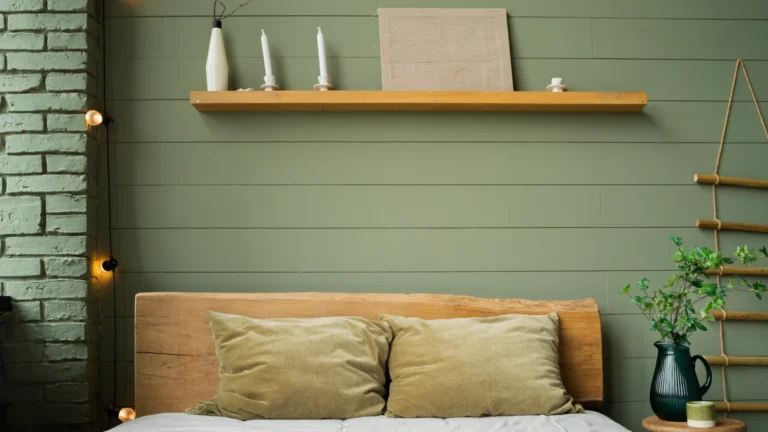
Bedroom Lighting Design Ideas for a Relaxing, Modern Room
The best bedroom lighting design ideas combine several types of illumination rather than relying on a single ceiling fixture. A bedroom needs different levels of light for getting dressed, reading, cleaning, relaxing, and moving around at night.
Lighting also influences how colors, textures, furniture, and architectural details appear. Warm, carefully layered lighting can make a room feel comfortable and intimate, while poorly positioned or overly bright fixtures can make the same space feel harsh.
Before choosing fixtures, consider the bedroom’s dimensions, ceiling height, natural daylight, furniture arrangement, storage locations, and existing electrical points. Then build the lighting scheme around the activities that actually take place in the room.
Start With a Layered Bedroom Lighting Plan
One of the most important bedroom lighting design ideas is to think about lighting in layers. Instead of expecting one fixture to illuminate everything, combine ambient, task, and accent lighting so each source has a specific purpose.
Ambient lighting provides the general illumination needed to move around the room and perform everyday activities. Ceiling fixtures, recessed lights, flush mounts, and carefully positioned track lighting can provide this foundation.
Task lighting provides more focused illumination where specific activities take place. Bedside sconces and table lamps can support reading, while vanity lighting can make dressing and applying makeup easier. Wardrobe and desk lighting can also be treated as task lighting.
Accent and indirect lighting add atmosphere and highlight selected features. LED strips can illuminate shelving or a headboard, while wall washers can emphasize artwork or textured walls. These layers are most effective when they can be controlled independently.
Choose the Right Ceiling and Bedside Lighting
The ceiling fixture is often the most visible lighting element in a bedroom. A pendant can create a focal point above the room, while a chandelier can work well in a larger or more decorative bedroom. In rooms with limited ceiling height, a flush or semi-flush fixture can provide useful illumination without making the ceiling feel lower.
Recessed lighting
Recessed lighting can create a clean appearance, but positioning is more important than simply installing several lights in a regular grid. Avoid placing bright recessed fixtures directly above the pillow because direct light can create uncomfortable glare when someone is lying in bed. The layout should follow the furniture and activities of the room.
Bedside lighting deserves particular attention because it is used frequently. Wall sconces save nightstand space and can provide directed reading light, while table lamps offer flexibility and can be replaced more easily. Bedside pendants can create a contemporary appearance but should be installed at a comfortable height where they do not interfere with movement.
For reading, adjustable swing-arm or directional fixtures are useful because they allow the light to be aimed toward the book without illuminating the entire bedroom. The correct mounting position depends on the bed height, headboard, fixture design, and occupant’s preferred reading position.
Illuminate Wardrobes, Dressing Areas, and Storage
Wardrobe lighting is often overlooked, even though it can significantly improve the functionality of a bedroom. Interior LED lighting can make clothing easier to see, particularly inside deep wardrobes or darker cabinets. Motion-activated or door-activated systems can turn the light on automatically when storage is opened.
Walk-in closets can combine ceiling illumination with vertical or shelf-level lighting. The goal is to illuminate clothing without creating deep shadows or excessive glare. Open shelving can also benefit from concealed LED strips that highlight books, accessories, or decorative objects.
Dressing areas require particularly balanced illumination. Lights positioned on both sides of a mirror generally provide more even facial illumination than relying entirely on a fixture above the mirror. Strong overhead lighting can create shadows across the face, so combining front-facing and overhead illumination can produce a more useful result.
Dimmers are valuable in these areas because brighter lighting may be useful while dressing, while softer illumination can be preferable later in the evening.
Add Accent and Indirect Lighting
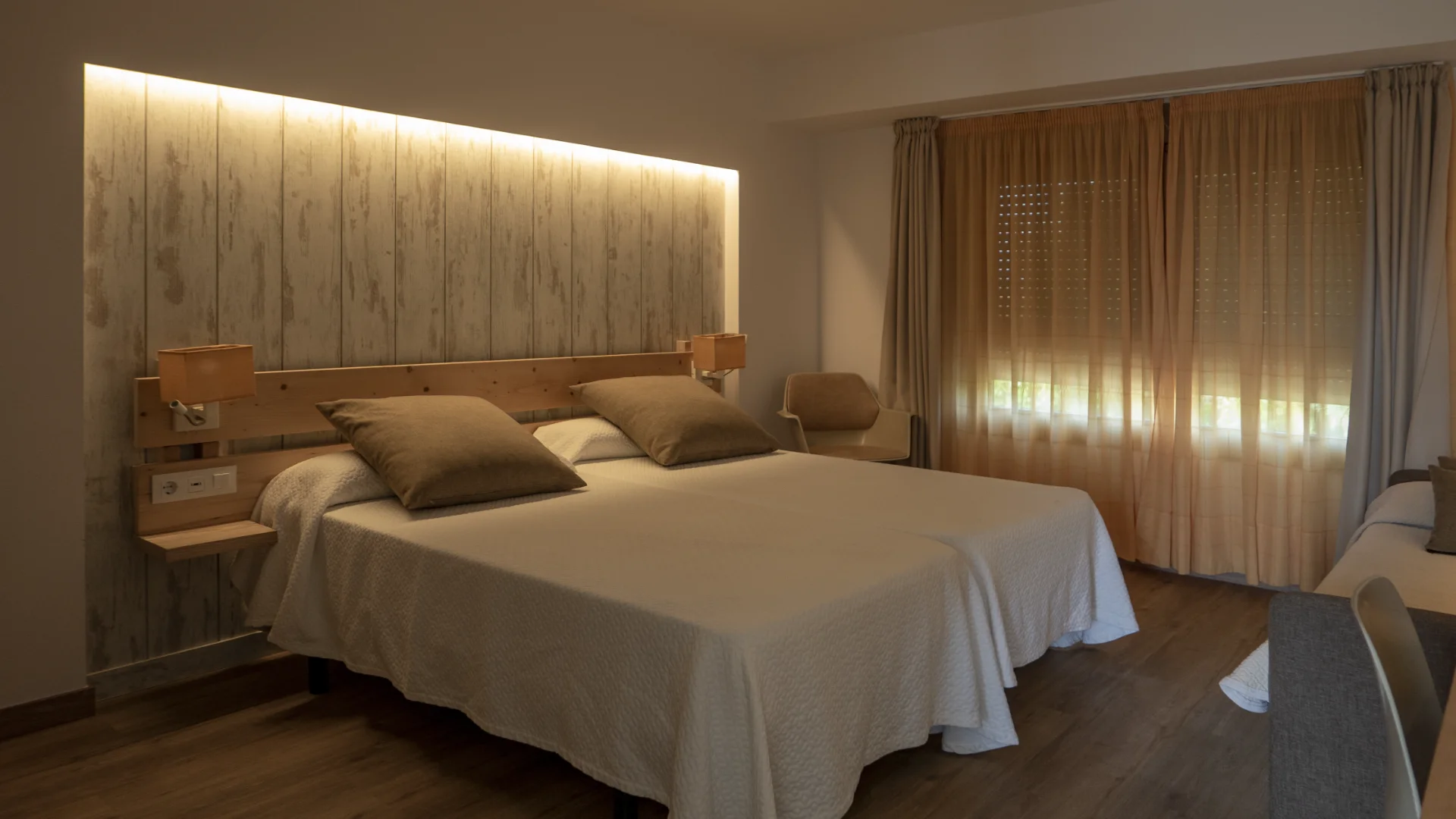
Accent lighting can give a bedroom greater depth without making the entire space brighter. Cove lighting is one option, using concealed LED illumination to wash light across a ceiling or wall. This can work particularly well with recessed ceilings, architectural features, and decorative transitions.
A headboard can also become part of the lighting design. LED lighting installed behind a headboard can create a subtle halo effect, while integrated reading fixtures can provide practical illumination without adding separate bedside lamps.
Under-bed lighting is another useful option for nighttime movement. A concealed LED strip with a motion sensor can provide enough light to navigate the room without producing the brightness of a main ceiling fixture. Keep this lighting relatively low in intensity because its purpose is navigation rather than general illumination.
Wall washers and directional fixtures can highlight artwork, textured walls, shelving, or other architectural details. When lighting artwork, position the fixture carefully to reduce glare and unwanted reflections.
Choose the Right Light Quality and Controls
Light color has a major effect on bedroom atmosphere. Warm-white illumination is commonly suitable for relaxing spaces because it creates a softer evening environment. Functional areas such as wardrobes, dressing spaces, or work areas may benefit from somewhat more neutral illumination depending on the activity.
Consistency is important. Using noticeably different light colors in fixtures that are visually close together can make the room appear unbalanced unless the contrast is intentional.
Color rendering is also worth considering. High-quality LED sources with good color rendering can help fabrics, paint colors, artwork, and natural materials appear closer to their intended appearance. This is especially useful in dressing areas where clothing colors need to be evaluated accurately.
Dimmers are among the most useful bedroom lighting design ideas because a bedroom rarely needs the same brightness throughout the day. A brighter setting can support cleaning, organizing, or dressing, while a lower setting can create a more comfortable atmosphere in the evening.
Where practical, use separate controls for ceiling, bedside, wardrobe, and accent lighting. Bedside controls are particularly convenient because they allow the occupant to adjust or switch off lights without getting out of bed. Smart lighting can add scenes for reading, relaxing, getting dressed, and nighttime movement, while motion sensors can automate low-level lighting.
Match Lighting to the Bedroom’s Size and Style
Lighting should respond to the physical characteristics of the bedroom. In a small bedroom, illuminating vertical surfaces and using concealed lighting can create a greater sense of depth. Avoid filling the ceiling with unnecessary downlights because excessive fixtures can make a compact room feel visually busy.
Modern bedrooms often benefit from simple fixtures, linear lighting, recessed illumination, and repeated finishes. If black metal, brass, or another finish is used for the lighting, repeating that finish selectively in furniture hardware can create a more coordinated appearance.
A cozy bedroom does not necessarily need one extremely warm or bright fixture. Several lower-intensity sources can create more depth and flexibility. Table lamps with diffusing shades, soft bedside lighting, and indirect illumination can help emphasize textiles such as bedding, curtains, rugs, and upholstered headboards.
Dark bedrooms may require additional layering because dark walls and furniture can absorb more light. Instead of simply installing a more powerful ceiling fixture, consider adding multiple useful sources and illuminating selected surfaces. Mirrors and lightly reflective finishes can also help distribute available illumination.
Natural light should be considered alongside artificial lighting. Window position affects how much daylight enters the bedroom during different parts of the day. Window treatments should provide control when darkness is needed without unnecessarily blocking useful daylight.
Compare Bedroom Lighting Options
| Lighting type | Best use | Main benefit | Main consideration |
| Ceiling fixture | General illumination | Covers the room | Can create harsh shadows |
| Recessed lighting | Clean ambient lighting | Minimal visual bulk | Requires careful positioning |
| Wall sconce | Bedside or accent lighting | Saves surface space | Requires suitable mounting |
| Table lamp | Bedside lighting | Easy to replace | Uses nightstand space |
| Pendant | Bedside or focal lighting | Strong visual impact | Requires appropriate ceiling height |
| Floor lamp | Reading or ambient lighting | Flexible placement | Uses floor space |
| LED strip | Accent/storage lighting | Discreet illumination | Needs concealed installation |
| Cove lighting | Indirect illumination | Soft atmosphere | More installation complexity |
| Under-bed light | Night navigation | Low-level illumination | Should avoid excessive brightness |
Avoid Common Bedroom Lighting Mistakes
Even good bedroom lighting design ideas can fail when fixture placement is treated as an afterthought. Relying on one central ceiling fixture often creates uneven illumination and gives the room little flexibility.
Bright lights should not be positioned directly above the pillow where they can create uncomfortable glare. Bedside controls should also be accessible so the occupant does not have to walk across the room to turn off the main lights.
Avoid mixing random color temperatures between nearby fixtures. Similarly, adding large numbers of recessed lights does not automatically produce better illumination. Each fixture should have a clear purpose.
Do not forget the wardrobe or dressing area simply because the bedroom itself is well lit. Finally, not every light source needs to be hidden. Visible pendants, sconces, and lamps can contribute to the room’s design when selected intentionally.
Plan Your Bedroom Lighting Step by Step
Start by mapping the furniture layout, including the bed, wardrobes, dresser, desk, reading chair, and other major pieces. Then identify the activities that occur in each area, such as reading, dressing, working, relaxing, and nighttime movement.
Establish the ambient lighting first. Once the general illumination is planned, add task lighting around the bed, wardrobe, dressing area, and desk where necessary. Accent lighting can then be used to highlight architectural details, artwork, shelves, or the headboard.
Finally, plan the controls and electrical requirements. Decide which fixtures need individual switches, dimmers, sensors, or smart controls. Confirm fixture positions, switch locations, circuits, and available power before installation. Electrical work should follow applicable local requirements and be completed by a suitably qualified professional where required.
Frequently Asked Questions
What are the best bedroom lighting design ideas?
The most effective approach is layered lighting. Combine ambient ceiling illumination with bedside task lighting, wardrobe or dressing-area lighting, and optional accent or indirect lighting.
What type of light is best for a bedroom?
Warm, comfortable illumination is generally well suited to relaxing bedrooms. Brighter task lighting can then be added where activities such as dressing, reading, or working require it.
Should bedroom lights be warm or cool?
Warm light is commonly preferred for bedrooms because it creates a softer evening atmosphere. More neutral illumination can be useful in functional areas such as dressing spaces.
Are recessed lights good for bedrooms?
Yes, when positioned carefully. Avoid placing bright recessed fixtures directly over the pillow and avoid installing excessive numbers of downlights.
Where should bedside sconces be installed?
The position depends on bed height, headboard design, occupant height, and fixture characteristics. The light should illuminate the reading area without shining directly into the eyes.
Should bedroom lights have dimmers?
Yes. Dimmers allow the same lighting system to provide brighter illumination for functional activities and softer lighting for evening relaxation.
How can I make a bedroom feel cozy with lighting?
Use several lower-intensity sources, warm illumination, bedside lamps or sconces, indirect lighting, and diffusing shades instead of relying on one powerful ceiling fixture.
How can I light a wardrobe?
Interior LED strips, sensor-controlled fixtures, and appropriately positioned ceiling or vertical lighting can improve visibility while reducing shadows.
Is under-bed lighting useful?
Yes. Low-level concealed lighting can provide gentle illumination for nighttime movement without fully lighting the bedroom.
Can lighting make a small bedroom look bigger?
Lighting can influence perceived spaciousness. Illuminating walls, using concealed sources, and avoiding excessive ceiling fixtures can help a compact bedroom feel more open.
Conclusion
The strongest bedroom lighting design ideas treat illumination as part of the room’s architecture rather than an accessory added at the end. A comfortable bedroom needs different lighting levels for different activities, and those layers should be easy to control.
Start with ambient illumination, then add task lighting around the bed, wardrobe, dressing area, or desk. Accent and indirect lighting can provide depth and atmosphere without requiring the entire room to be brightly illuminated.
Pay attention to fixture placement, glare, color temperature, controls, ceiling height, and natural daylight. The most effective lighting system is not necessarily the one with the greatest number of fixtures. It is the one that puts the right light in the right location, at the right intensity, with enough control to change the atmosphere throughout the day.