Bedroom Accent Wall Ideas to Create a Stylish Focal Point
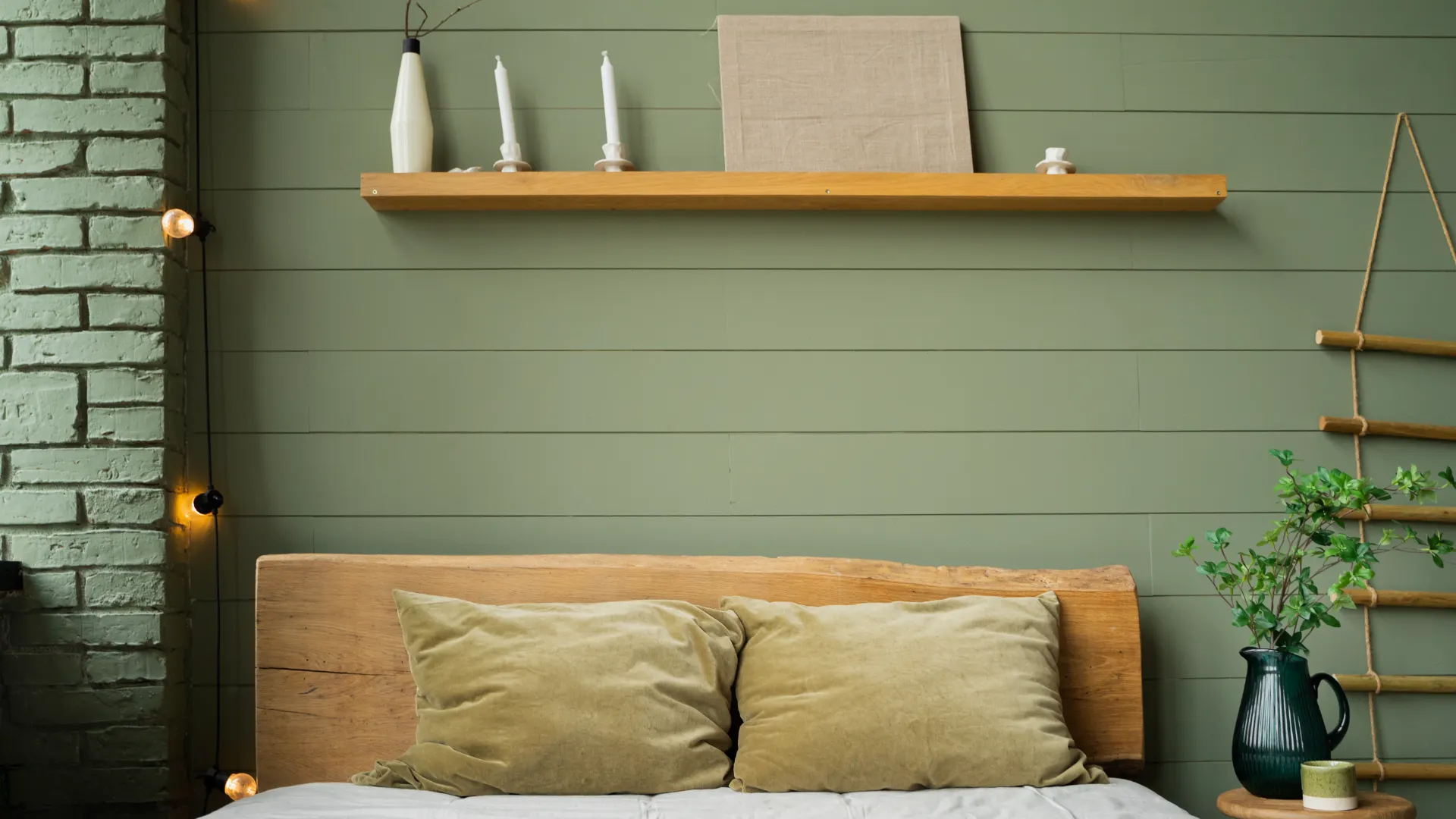
The best bedroom accent wall ideas give a bedroom a clear focal point without requiring a complete redesign. An accent wall can define the sleeping area, add architectural character, introduce color, or create visual depth behind the bed. It can also help connect the bed, headboard, lighting, and surrounding furniture into a more cohesive design.
The wall behind the bed is usually the natural location because the bed already functions as the room’s primary visual anchor. However, the best location depends on the bedroom’s architecture, furniture arrangement, windows, doors, built-in features, and existing finishes. If another wall already contains a fireplace, large window, or prominent architectural feature, adding another dramatic focal point may make the room feel unnecessarily busy.
An accent wall does not have to mean painting one wall a dramatically different color. Wallpaper, wood slats, decorative panels, textured plaster, stone, brick, fabric, artwork, and integrated lighting can all create contrast. The key is choosing a treatment that adds character while still working with the bedroom’s furniture, flooring, textiles, and overall style.
Choose the Right Wall and Design Direction
Before choosing paint or materials, look at the bedroom as a complete space. The wall behind the headboard is often the easiest starting point because it naturally receives attention when entering the room. A painted surface, wallpaper pattern, wood treatment, or architectural panel can reinforce the bed as the central focal point.
However, the room’s existing architecture should also influence the decision. Windows, doors, niches, fireplaces, ceiling changes, and built-in storage can already provide visual interest. If one of these features dominates the room, a quieter accent treatment may work better than a highly patterned wall.
The size and layout of the bedroom matter as well. In a small room, one controlled feature behind the bed can provide structure without making the space feel crowded. In a larger bedroom, a full-width treatment or more substantial material may have enough visual space to work effectively.
Use Paint, Wallpaper, and Color
Paint remains one of the easiest bedroom accent wall ideas because it can transform a room without major construction. A deep neutral such as charcoal, taupe, dark gray, or muted brown can create contrast while working well with lighter bedding and natural wood furniture.
Earthy greens such as sage, olive, and deeper forest-inspired shades can introduce an organic quality. They can work particularly well with warm wood, cream textiles, and natural materials. Deep blue and navy can also create a calm backdrop, although the final appearance depends heavily on the amount of natural and artificial light in the room.
An accent wall does not have to use one solid color. Two-tone designs can divide the wall horizontally, while painted arches, blocks, or geometric shapes can create a customized appearance. These designs require accurate measurements and careful preparation to achieve clean edges.
Wallpaper provides another way to introduce color and pattern. Subtle botanical, geometric, or abstract designs can add interest without overwhelming the bedroom, while large-scale patterns create a stronger statement. In a small bedroom, consider the size of the pattern alongside the furniture and other decorative elements.
Peel-and-stick wallpaper can be useful when a temporary or easily changeable treatment is preferred. Before installation, check the manufacturer’s requirements for the wall surface and removal process.
Add Wood, Panels, and Architectural Texture
Wood slats are widely used for contemporary accent walls because they introduce warmth, texture, and vertical rhythm. Vertical slats can also emphasize the height of a room. The wood finish should coordinate with existing flooring, furniture, doors, and other wood elements because too many unrelated wood tones can make the bedroom feel fragmented.
Some slatted systems incorporate acoustic backing behind the wood elements. If acoustic performance is important, remember that the result depends on the complete wall assembly rather than simply the presence of decorative slats.
Fluted wall panels provide another dimensional option. Their repeated vertical or curved texture can create a strong backdrop behind the bed without requiring a bold paint color. You can cover the entire wall or install a centered panel that defines a smaller focal zone.
Board-and-batten detailing and wainscoting can create a more architectural appearance. Painting the wall and trim in the same color produces subtle shadow lines, while contrasting trim makes the geometric pattern more noticeable. Wainscoting can also be combined with wallpaper above it, although the colors and patterns should be coordinated carefully so the wall does not become visually overwhelming.
Textured plaster and mineral-inspired finishes provide a more subtle form of dimension. Limewash and plaster-style surfaces can introduce tonal variation without creating a repeated pattern. Microcement-style finishes can offer a smooth, continuous architectural appearance, but the selected product should be suitable for interior walls and compatible with the existing surface.
Stone and brick can create stronger statements. Natural stone provides individual variations in texture and color, while stone veneer can provide a similar visual direction with different installation requirements. Genuine exposed brick can preserve architectural character in suitable properties, while brick veneer can introduce an industrial appearance where an exposed brick wall does not exist.
Because these materials naturally attract attention, the surrounding bedding, furniture, artwork, and accessories should generally remain more controlled.
Use Fabric, Artwork, and Lighting
Not every accent wall needs a permanent hard surface. Fabric can make the area behind the bed feel softer and more comfortable. A large upholstered headboard can span much of the wall and function as the primary accent, while individual fabric or acoustic panels can introduce texture without making the room feel overly architectural.
Artwork can also create an accent wall without painting or installing permanent panels. A carefully arranged gallery wall can establish a focal area, while one oversized artwork piece can provide a cleaner appearance. The artwork should relate to the bedroom’s existing color palette and should be positioned so it works naturally with the bed and headboard.
Lighting can significantly enhance bedroom accent wall ideas. Directional wall-washing fixtures can emphasize textured plaster, wood, stone, or decorative panels. LED lighting behind a headboard or panel can create a soft halo effect, while bedside sconces can frame the wall and provide useful reading illumination.
The wall and lighting should be planned together because different materials respond differently to light. Textured surfaces may benefit from directional illumination that reveals shadows, while highly reflective surfaces may require careful positioning to prevent glare.
Match the Accent Wall to the Bedroom Style
Modern bedrooms generally benefit from clean geometry, restrained materials, and controlled color palettes. Slatted wood, large-format panels, subtle plaster textures, and simple painted surfaces can create a contemporary focal point without adding unnecessary decoration.
For a cozy bedroom, texture can be just as important as color. Warm wood, upholstered elements, earthy tones, and soft lighting can create a comfortable visual transition behind the bed. Terracotta, clay, beige, muted brown, olive, and other warm tones can work particularly well when coordinated with bedding and furniture.
Minimalist bedrooms can also use accent walls. Instead of choosing a dramatic color or elaborate pattern, consider tonal contrast or a subtle plaster-like texture. The wall can remain the main visual feature while accessories and surrounding surfaces stay relatively simple.
Dark accent walls can create depth and intimacy. Charcoal, deep green, and rich brown can provide strong contrast against lighter bedding and natural wood. However, dark finishes can absorb more light, so the room’s lighting should be considered before making the wall significantly darker.
Light accent walls provide a more subtle alternative. Warm beige, soft gray, dusty blue, and similar muted shades can create separation without producing strong contrast. This approach can be particularly useful when the bedroom already contains several decorative elements.
Design Accent Walls for Small and Children’s Bedrooms
In a small bedroom, the accent wall should establish a focal point without creating excessive visual density. The wall behind the bed is usually a practical choice because it gives the room structure without requiring multiple decorative areas.
Choose one strong feature rather than combining bold wallpaper, elaborate paneling, multiple artworks, and dramatic lighting on the same wall. Vertical slats or panels can emphasize height, while a restrained color can provide contrast without making the room feel crowded.
Children’s bedrooms provide more flexibility because an accent wall can introduce personality and be updated as preferences change. Removable wallpaper and painted geometric shapes can be easier to modify than permanent architectural features. Washable or appropriately durable finishes may also be useful in areas that experience frequent contact.
The accent concept can even extend beyond the wall. Painting the ceiling in a related color can create a more immersive appearance, while wood or decorative ceiling panels can introduce another architectural feature. Ceiling treatments should be planned carefully because overhead surfaces have a strong visual impact and can affect how large or enclosed the room feels.
Choose Color and Materials Carefully
Color should always be evaluated in the actual bedroom rather than selected solely from a screen or small digital image. Paint can look different in morning daylight, afternoon sunlight, and artificial evening lighting.
Place physical samples beside the flooring, bedding, headboard, curtains, furniture, and other major finishes. Pay attention to undertones because two colors that appear similar on a color chart can look noticeably different when placed next to warm or cool materials.
Maintenance should also influence the choice. Textured surfaces and deep grooves can collect more dust than smooth painted walls. Paint is generally easier to touch up, while damaged wallpaper, panels, or specialty materials may require more specific repairs.
If you use a material that may be difficult to replace later, keep spare wallpaper, panels, or other relevant materials when possible. This can make future repairs or replacements easier if a section becomes damaged.
Compare Accent Wall Materials
| Accent treatment | Visual effect | Installation complexity | Best suited to |
| Paint | Simple color contrast | Low | Most bedrooms |
| Wallpaper | Pattern and texture | Low–medium | Decorative focal walls |
| Wood slats | Warm architectural texture | Medium | Modern bedrooms |
| Fluted panels | Repeated dimensional texture | Medium | Contemporary spaces |
| Wainscoting | Architectural detail | Medium | Traditional and transitional rooms |
| Plaster-style finish | Subtle tonal texture | Medium | Minimalist interiors |
| Stone veneer | Strong natural texture | Medium–high | Rustic or dramatic rooms |
| Brick veneer | Industrial character | Medium | Loft-style bedrooms |
| Upholstered panels | Soft texture | Medium | Cozy bedrooms |
| Artwork | Flexible focal point | Low | Rental-friendly spaces |
Avoid Common Accent Wall Mistakes
Even attractive bedroom accent wall ideas can fail when the wall is designed independently from the rest of the bedroom. Making every wall an accent removes the contrast that gives the concept its purpose. Choose one primary focal point and allow the surrounding walls to support it.
The headboard should also be considered carefully. A dramatic wall can compete with an oversized or heavily patterned headboard, while a simple upholstered headboard can stand out effectively against a darker or textured surface.
Avoid selecting colors only from digital images because screens cannot always represent paint and materials accurately. Test samples in the actual room and view them under different lighting conditions.
Mixing too many materials can also make the bedroom feel visually busy. Wood, stone, wallpaper, panels, patterned bedding, artwork, and dramatic lighting can all be attractive individually but may compete when used together.
Finally, consider practical details before installation. Check the location of outlets, switches, doors, windows, wall-mounted fixtures, and other fixed features. Permanent paneling or other treatments should not make important electrical points difficult to access.
Plan Your Accent Wall Step by Step
The strongest bedroom accent wall ideas usually begin with the room rather than the material. Start by measuring the wall and recording its width, height, windows, doors, outlets, switches, and other fixed features.
Next, identify the main focal point. In most bedrooms this will be the bed, but an existing fireplace, architectural feature, or large artwork may change the best approach. Once the focal point is established, choose a treatment that supports it.
Compare paint or material samples with the existing flooring, headboard, furniture, curtains, and bedding. Evaluate them in both natural and artificial lighting before committing to the final design.
Then plan any required lighting. Decide whether the wall needs bedside sconces, directional fixtures, concealed LED strips, backlighting, or wall washing. Make sure the lighting works with the selected surface rather than creating unwanted glare.
Finally, confirm installation requirements. Check the condition of the wall, product specifications, electrical conflicts, and any preparation required for the selected material. Once the accent wall is complete, keep the surrounding decoration controlled enough to allow the focal point to remain visually effective.
Frequently Asked Questions
What is the best wall for a bedroom accent wall?
The wall behind the bed is usually the most natural choice because the bed already functions as the room’s primary focal point. However, the final choice should depend on the room’s architecture and furniture layout.
What colors work best for a bedroom accent wall?
Deep neutrals, muted greens, navy, earthy browns, warm beige, dusty blue, and soft gray can all work. The right color depends on natural light, furniture, flooring, and the desired atmosphere.
Should a bedroom accent wall be darker?
It does not have to be. A darker wall creates stronger contrast, while a slightly different neutral shade or subtle texture can create a quieter focal point.
Is wallpaper good for a bedroom accent wall?
Yes. Wallpaper can introduce pattern, color, and texture without structural construction. Removable wallpaper can also be useful when a temporary treatment is preferred.
Is a wood accent wall suitable for a modern bedroom?
Yes. Vertical slats, fluted wood, and large panels can complement modern bedrooms, particularly when their finish coordinates with the flooring and furniture.
How do I make a small bedroom accent wall look bigger?
Use the wall behind the bed, keep the surrounding color palette controlled, and consider vertical details that emphasize ceiling height. Avoid combining too many competing patterns.
Can an accent wall make a bedroom feel smaller?
A very dark or heavily patterned treatment can make a wall visually stronger and potentially make the room feel more enclosed. Balanced lighting and lighter surrounding surfaces can help maintain visual openness.
Should the accent wall match the headboard?
It does not need to match exactly. Complementary or contrasting colors and materials can work well as long as the wall and headboard do not compete excessively.
What is the easiest bedroom accent wall idea?
Painting one wall is generally the simplest approach. It requires less installation work than paneling, stone, brick, or other dimensional treatments.
How can I make an accent wall look expensive?
Focus on clean installation, appropriate proportions, coordinated materials, quality lighting, and a restrained color palette. Careful execution can make a relatively simple treatment look polished.
Can I create an accent wall without painting?
Yes. Wallpaper, wood slats, decorative panels, artwork, fabric panels, stone veneer, removable wall coverings, and architectural molding can all create a focal wall.
How do I light a bedroom accent wall?
Wall sconces, directional spotlights, concealed LED strips, backlighting, and wall-washing fixtures can all be used depending on the material. The lighting should emphasize the wall without creating excessive glare.
Are accent walls suitable for modern bedrooms?
Yes. Modern accent walls can use restrained materials such as large panels, wood slats, subtle plaster textures, or tonal paint rather than highly ornate patterns.
Conclusion
The best bedroom accent wall ideas create a deliberate focal point while supporting the room’s overall design. The wall behind the bed is often the most natural location, but the treatment should be selected according to the bedroom’s architecture, furniture, lighting, and existing finishes.
Paint provides the simplest transformation, while wallpaper introduces pattern, wood adds warmth, panels provide dimension, and stone or plaster-style finishes can create a stronger architectural statement. Fabric, artwork, and lighting offer additional ways to create a focal point without completely changing the wall structure.
Before committing to a treatment, test colors and materials in the actual bedroom and evaluate them under different lighting conditions. Consider maintenance, installation requirements, electrical points, and how the accent wall will interact with the headboard and surrounding furniture.
A successful accent wall does not require the most dramatic material or the strongest color. Choose one clear focal point, coordinate it with the rest of the room, and let the accent wall add character without overwhelming the bedroom.