Why Home Improvement Is Important MintPalHouse: A Complete Guide for US Homeowners

A house begins to age the moment the last contractor packs up. Shingles weather, caulk shrinks, and systems that were efficient twenty years ago fall behind. Home improvement is how owners keep up, and it affects a home’s value, safety, running costs, and how it feels to live there.
That is the short answer to why home improvement is important MintPalHouse readers are searching for. The rest of this guide gives the full answer, using 2025 and 2026 figures from federal agencies and housing researchers.
If you typed “why home improvement is important MintPalHouse” into a search bar, you likely found several sites using that name, each describing it differently. None could be verified as an official organization, so this guide relies on the EPA, ENERGY STAR, the CDC, Harvard’s Joint Center for Housing Studies (JCHS), the National Association of Realtors (NAR), and Zonda’s Cost vs. Value report.
What Home Improvement Really Means
Home improvement covers three types of work. Repairs fix something that failed, like a leaking supply line or a sticking door. Functional upgrades replace something that still works with something better, such as a heat pump in place of a tired furnace. Remodels and cosmetic changes alter how a room looks, how it is laid out, or how it is used.
Each type pays back differently. Repairs prevent losses, upgrades lower operating costs, and remodels change daily life the most while rarely returning their full cost at sale. Americans invest in all three: JCHS reports that improvement and repair spending rose from $404 billion in 2019 to $611 billion in 2022, and NAR estimates about $603 billion for 2024.
Why Home Improvement Is Important MintPalHouse Explained

The reasons below cover money, safety, health, and quality of life, and nearly every homeowner will find several that apply.
Older Homes Need Ongoing Attention
The National Association of Home Builders (NAHB), using Census Bureau survey data, reports that the median owner-occupied home in the US was 42 years old in 2024. Nearly half of owner-occupied homes were built before 1980, with the oldest housing concentrated in states like New York and Massachusetts.
NAHB notes that older homes tend to be less energy efficient and more likely to need repairs. That makes age the first piece of why home improvement is important MintPalHouse readers should plan around. A house built in 1982 may still have its original windows, wiring, and ductwork.
Higher Property Value and Stronger Resale Appeal
For most families, the house is the largest asset they own. Neglected maintenance shows up quickly in inspection reports and buyer offers, while a well-kept home gives buyers fewer reasons to negotiate. Protecting that asset is the financial heart of why home improvement is important MintPalHouse readers hear about most often.
Realtors tend to favor simple, visible fixes. In NAR’s 2025 Remodeling Impact Report, the projects Realtors most often recommended to sellers were painting the entire home (50%), painting one interior room (41%), and installing a new roof (37%). NAR also estimates that a new steel front door recovers 100% of its cost, while a bathroom renovation recovers about 50%.
A Safer Place to Live
Safety is the side of why home improvement is important MintPalHouse readers tend to underestimate. Many injuries at home trace back to fixable things like loose stair rails, dim hallways, slippery tubs, aging wiring, and alarms with dead batteries.
Falls are the clearest example. According to the CDC, adults 65 and older experience about 37 million falls each year, leading to roughly 3 million emergency department visits and 41,000 deaths. Grab bars, sturdy handrails, slip-resistant flooring, and brighter stair lighting target that risk directly.
Fire and carbon monoxide are the other major threats. The National Fire Protection Association (NFPA) has found that working smoke alarms cut the risk of dying in a reported home fire roughly in half. The Consumer Product Safety Commission (CPSC) recommends smoke alarms on every level, inside each bedroom, and outside sleeping areas, plus carbon monoxide alarms on every level and outside sleeping areas, all tested monthly.
Healthier Indoor Air and Fewer Hidden Hazards
Some of the most serious problems in a house cannot be seen, which makes indoor air a quiet piece of house improvement mintpaldecor readers often miss. Three federal guidelines are worth knowing before any project:
- Lead paint: Lead-based paint was banned for home use in 1978, and the EPA estimates that about three-quarters of homes built before then still contain some. Sanding or demolition can turn it into dangerous dust.
- Radon: The EPA estimates that nearly 1 in 15 US homes has elevated radon, a gas it links to about 21,000 lung cancer deaths a year. The EPA recommends fixing levels of 4 pCi/L or higher.
- Mold and humidity: The EPA’s core rule is that mold control is moisture control. Dry water-damaged materials within 24 to 48 hours, fix the source of the water, and keep indoor humidity below 60%, ideally between 30% and 50%.
Lower Energy Bills and Better Efficiency
Energy savings are the most measurable part of why home improvement is important MintPalHouse readers can track on their monthly bills. ENERGY STAR estimates that air sealing and adding insulation saves an average of 15% on heating and cooling costs, or about 11% on total energy costs, with results ranging from 7% to 20% by climate zone.
Smaller upgrades add up too. ENERGY STAR says certified smart thermostats save about 8% on heating and cooling bills, roughly $50 a year, and the Department of Energy reports that residential LEDs use at least 75% less energy than incandescent bulbs. JCHS found that 16.9 million owners spent $139.1 billion on energy-related projects in 2023, led by roofing and HVAC.
The incentive picture changed in 2026, and many older articles still describe credits that no longer exist:
| Incentive | Status in 2026 | What it means for you |
| Energy Efficient Home Improvement Credit (Section 25C) | Ended for property placed in service after Dec. 31, 2025 | Insulation, windows, doors, and heat pumps installed in 2026 no longer qualify |
| Residential Clean Energy Credit (Section 25D) | Ended for expenditures made after Dec. 31, 2025 | No federal credit for homeowner-owned solar installed in 2026 |
| HOMES and HEAR rebates (federally funded, state-run) | Rolling out unevenly from state to state | Up to $8,000 (HOMES) or $14,000 (HEAR) for eligible households where programs are open |
Check with your state energy office and your utility before counting on a rebate, since program rules were revised in 2026 and several states have faced delays.
Lower Maintenance Costs Over Time
Most costly home problems start small. A slow roof leak becomes rotted sheathing, and a clogged gutter becomes a wet basement. Catching these early is the least glamorous part of why home improvement is important MintPalHouse readers will come across, and often the cheapest to act on.
Drainage deserves special attention. EPA mold prevention guidance recommends directing rainwater about 5 feet away from the foundation. When siding, trim, or decking needs replacing, fiber cement, vinyl, and composite options generally need less repainting and sealing than bare wood.
More Comfort and Better Daily Function
A room that is drafty in winter, stuffy in summer, or awkward to move through affects you every day. Better insulation, ceiling fans, more natural light, and smarter layouts often change how a house feels more than new furniture could.
NAR’s homeowner survey supports this. Asked about the most important result of their remodel, 28% chose improved functionality and livability, 23% chose durable results, and 23% chose better aesthetics. Function is the most common goal, and it is the part of why home improvement is important MintPalHouse readers feel in every room.
More Usable Space for a Changing Household
A new baby, an aging parent moving in, or a full-time home office can make a house feel small. Remodeling lets you add room while keeping your neighborhood, schools, and commute, which is often the most practical part of why home improvement is important MintPalHouse readers with growing families mention.
Basement finishing, attic or garage conversions, and additions are the usual options. Be realistic about resale, though. Zonda’s 2025 data shows a basement remodel recouping about 50% of its cost and an accessory dwelling unit about 41%, so these projects pay off mostly through daily use.
Personal Style and Self-Expression

A home should reflect the people who live in it, not just the latest trend. A gallery wall of family photos, built-in shelves, or a paint color you genuinely love makes a house feel like yours. Self-expression is the most individual piece of why home improvement is important MintPalHouse readers will weigh, because no data set can tell you what feels like home.
A few habits keep personal choices looking intentional. Test paint samples in morning and evening light, repeat a small set of colors and materials from room to room, and layer overhead, task, and accent lighting. The Department of Energy’s Building America Solution Center notes that bulbs marked 2700K to 3000K give a warmer light, while 3500K to 4100K bulbs read whiter.
Better Mental Well-Being at Home
NAR’s 2025 report, produced with the National Association of the Remodeling Industry, found that 64% of homeowners felt a stronger desire to be at home after their latest project, and 46% enjoyed their space more. NAR’s Joy Score, a 1 to 10 rating of post-project happiness, averaged 8.2.
This emotional payoff is the side of why home improvement is important MintPalHouse readers usually notice first, long before any appraisal or utility bill.
Aging in Place
AARP’s 2024 Home and Community Preferences Survey found that 75% of adults 50 and older want to stay in their current homes. Among older adults who expect to modify their homes, 72% plan bathroom changes such as grab bars and no-slip tile, and 71% want easier ways to get into and around the house.
For many owners over 50, staying put is the most personal reason behind why home improvement is important MintPalHouse readers think about. A no-step entry, wider doorways, and a first-floor bath are easier to build into a planned remodel than to add in a hurry after a fall.
Curb Appeal and a Strong First Impression
The outside of a house sets expectations before anyone walks in. Zonda’s 2025 Cost vs. Value report found that eight of its top 10 projects for resale return were exterior replacements. For sellers, first impressions are the outward-facing side of why home improvement is important MintPalHouse readers should prioritize, and fresh trim paint, tidy landscaping, and exterior lighting cost relatively little.
Which Home Improvement Projects Pay Back at Resale

Zonda’s Cost vs. Value report compares national average project costs with the value each adds at sale. The 2025 edition, the most recent, shows focused exterior replacements beating large interior remodels.
| Project (2025 national averages) | Average job cost | Cost recouped at resale |
| Garage door replacement | $4,672 | 268% |
| Steel entry door replacement | $2,435 | 216% |
| Manufactured stone veneer | $11,702 | 208% |
| Fiber-cement siding replacement | $21,485 | 114% |
| Wood deck addition | $18,263 | 95% |
| Midrange bathroom remodel | $26,138 | 80% |
| Vinyl window replacement | $22,073 | 76% |
| Backyard patio | $51,454 | 46% |
| Upscale bathroom remodel | $81,612 | 42% |
Zonda’s view is that big interior remodels are often too personal to deliver the same return, so they suit owners who plan to stay. These are national averages, and local markets can differ a lot.
NAR’s data adds a twist. A primary bedroom suite, a kitchen upgrade, and a new roof all earned perfect Joy Scores of 10, yet NAR estimates a primary suite recovers only about 54% of its cost. The projects that make people happiest are not always the ones that pay back most, and that tension sits at the center of why home improvement is important MintPalHouse readers need to understand before spending.
Kitchen, Bathroom, Bedroom, and Outdoor Upgrades Worth Considering
Kitchen Upgrades
The kitchen is where satisfaction and buyer interest overlap most. A kitchen upgrade earned a perfect Joy Score, and 30% of Realtors recommended one before selling. A full gut renovation is not always needed, since new counters, refinished cabinets, under-cabinet lighting, and updated appliances solve most daily frustrations. If you change the layout, the National Kitchen and Bath Association (NKBA) recommends work aisles of at least 42 inches for one cook and 48 inches for multiple cooks.
Bathroom Upgrades
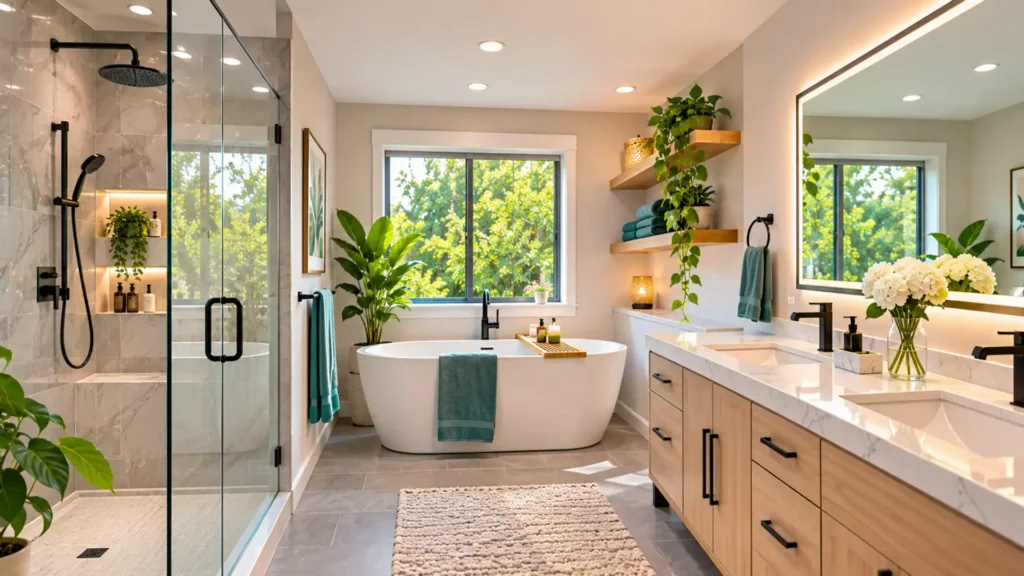
Zonda’s data shows a midrange bathroom remodel recouping about 80% of its cost, compared with 42% for an upscale one, which favors sensible finishes over luxury. The most valuable changes often have nothing to do with looks: a properly vented exhaust fan, water-resistant materials, fresh caulk, and grab bars reduce mold risk and help prevent falls.
Bedroom Upgrades
A primary bedroom suite earns high satisfaction but only about 54% cost recovery, so it is a project for living rather than resale. A closet renovation is more modest, and NAR estimates it recovers about 83% of its cost.
Floors, Lighting, and Fixtures
Solid hardwood can often be sanded and refinished rather than replaced. In kitchens, bathrooms, laundry rooms, and basements, choose flooring rated for moisture. Replacing dated fixtures and hardware in one consistent finish, with LED bulbs in a matching color temperature, makes several rooms feel updated at once.
Exterior and Outdoor Living
Zonda’s figures show a wood deck addition recouping about 95% of its cost, while a large backyard patio recouped 46%. Before adding anything new outside, fix loose deck boards, cracked walkways, missing railings, and poor drainage. That order is a practical part of why home improvement is important MintPalHouse readers can apply outdoors as well as in.
How to Plan a Home Improvement Project
Start With the Problem and the Budget
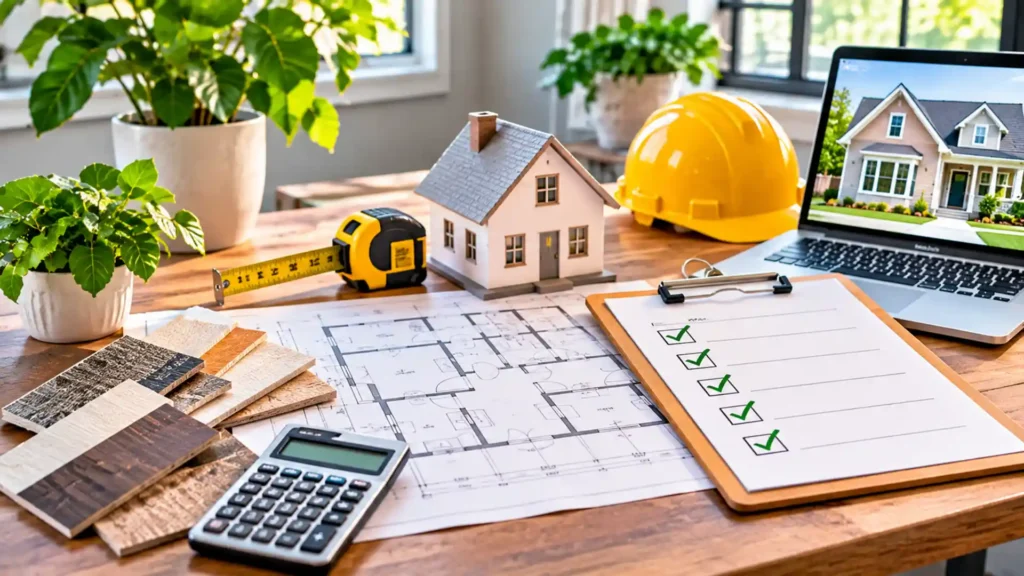
Good projects begin with a clear problem. “The bathroom fan doesn’t clear steam and the ceiling is peeling” is a better starting point than “I want a new bathroom,” because it points to the right fix. Then list every cost, including materials, labor, permits, disposal, and time without a working kitchen or bath, and keep a reserve for surprises. Older homes often hide rot or outdated wiring behind walls.
Measure, Sequence, and Schedule
Measure carefully, and confirm that new appliances or vanities will fit through doorways as well as into the room. Do messy work like drywall repair before finish work like painting and flooring, and follow the manufacturer’s drying and curing times for paint, grout, and sealers.
Decide What to Fix First
A clear order of work is the most actionable part of why home improvement is important MintPalHouse readers can use this week. Start with anything that could hurt someone or damage the structure, and leave appearance for last.
| Priority | Focus | Examples |
| First | Safety | Smoke and carbon monoxide alarms, handrails, grab bars, electrical hazards |
| Second | Water and structure | Roof leaks, gutters, drainage, foundation cracks |
| Third | Core systems | HVAC, water heater, plumbing, electrical panel |
| Fourth | Energy efficiency | Air sealing, insulation, windows, and doors |
| Fifth | Function | Storage, layout, accessibility changes |
| Last | Appearance | Paint, flooring, fixtures, decor |
Common Home Improvement Mistakes to Avoid
Knowing what not to do is part of why home improvement is important MintPalHouse readers should understand before signing a contract:
- Waiting too long: small leaks and soft spots get more expensive the longer they sit.
- Following trends blindly: a look that is popular this year may feel dated soon and may not suit your house.
- Choosing looks over function: a beautiful kitchen without enough storage will frustrate you daily.
- Over-improving for the neighborhood: a luxury remodel in a modest area rarely pays back.
- Covering problems instead of fixing them: paint over a damp wall hides the issue without solving it.
- Skipping permits: unpermitted work can cause trouble during inspections, sales, and insurance claims.
DIY or Hire a Professional
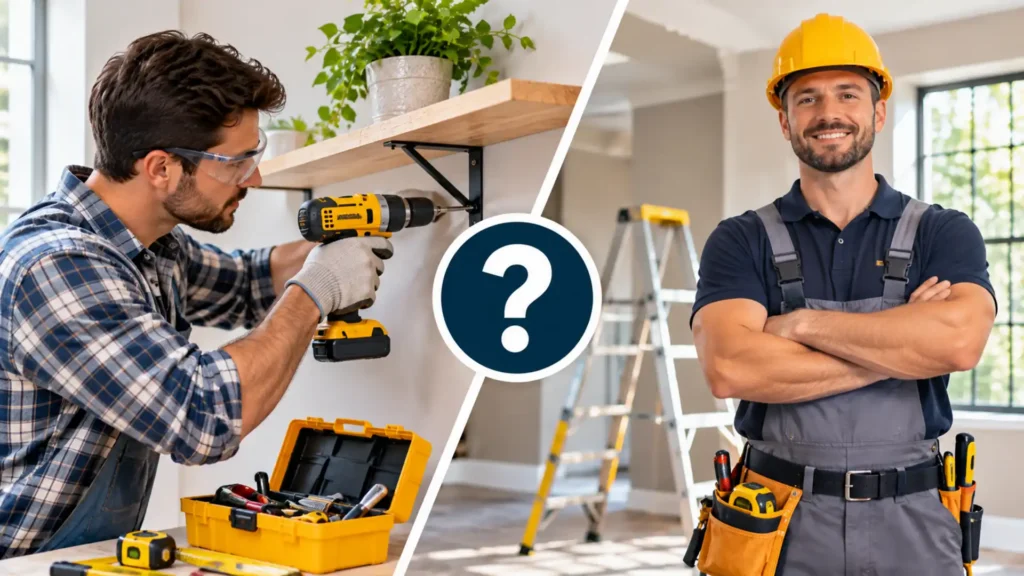
NAR found that 29% of homeowners hired a professional for an entire project, 24% hired the labor but bought materials, and 24% did the whole job themselves. Painting, caulking, and replacing hardware suit most DIYers, but these jobs are usually best left to licensed or certified pros:
- Electrical panel upgrades, new circuits, and gas line work
- Structural changes, including removing or opening walls
- Roofing and major plumbing
- Any work that disturbs painted surfaces in a home built before 1978
The EPA’s lead Renovation, Repair and Painting (RRP) Rule requires paid contractors who disturb paint in pre-1978 homes to be lead-safe certified. It generally does not apply to owners working on their own homes, but the EPA still recommends hiring a certified firm.
How to Hire a Contractor
In AARP’s survey, 72% of adults 50 and older said having trustworthy, high-quality contractors available was extremely important. The Federal Trade Commission (FTC) recommends confirming a contractor’s license with your state or local government, asking for proof of insurance, and getting written estimates from several firms.
Insist on a written contract that lists the scope of work, materials, start and finish dates, and a payment schedule tied to completed stages. Avoid large cash payments up front, and keep copies of change orders, warranties, and receipts. The FTC also notes that if you sign a contract in your home, you generally have three business days to cancel. Careful hiring is a part of why home improvement is important MintPalHouse readers cannot afford to skip.
Protecting Your Home During and After the Work
Keep children and pets away from work areas, control dust with plastic sheeting and ventilation, and keep exits clear. In pre-1978 homes, use lead-safe practices even for small jobs. When major work wraps up, the EPA recommends retesting for radon, since structural changes can affect radon levels.
Afterward, keep a simple file with permits, warranties, manuals, and paint colors, and set reminders for gutters, HVAC filters, and caulk checks. Good records protect the investment, and that long view is a fitting final piece of why home improvement is important MintPalHouse readers can build into their routines.
A Note on MintPalHouse and Home Improvement Advice
The MintPalHouse name appears on several separate blogs that don’t share one owner or editorial standard, so each article deserves to be judged on its own. Reliable advice names its sources, dates its statistics, and points to official guidance for safety, permits, and health hazards. That is why the research here on why home improvement is important MintPalHouse readers can verify comes from federal agencies and established housing researchers.
Conclusion
The full answer to why home improvement is important MintPalHouse readers keep searching for comes down to protection and quality of life. Improvements protect an aging asset, keep the people inside safer and healthier, lower running costs, and make a house a place you want to spend time in.
The data also points to a sensible approach. Fix hazards and water problems first, treat energy upgrades as long-term savings now that federal credits have ended, choose remodels based on how long you plan to stay, and hire carefully when the work is beyond your skills. Explore more home improvement ideas.
FAQs
What is the short answer to why home improvement is important MintPalHouse readers ask about?
Home improvement protects property value, stops small problems from becoming expensive ones, makes the home safer and healthier, and lowers energy costs. With the median US owner-occupied home now 42 years old, most houses need ongoing work.
Which home improvements add the most resale value?
Exterior replacements lead the latest Cost vs. Value report. Based on 2025 national averages, garage door replacement recouped about 268% of its cost and a steel entry door about 216%.
Can I still claim a federal tax credit for energy-efficient upgrades?
Not for new projects. The Section 25C credit ended for property placed in service after December 31, 2025. Some states offer HOMES and HEAR rebates instead, so check with your state energy office and utility.
What home improvement should I do first?
Start with safety and water. Working smoke and carbon monoxide alarms, secure handrails, and fixes for leaks or drainage problems should come before cosmetic projects.
Do I need to worry about lead paint during a renovation?
If your home was built before 1978, it may contain lead-based paint. Have painted surfaces tested or hire an EPA lead-safe certified contractor for work that disturbs paint.
Is MintPalHouse an official home improvement organization?
No official MintPalHouse organization or website could be verified. The name appears on several separate blogs, so check any advice against sources like the EPA, ENERGY STAR, and the CDC.