Bedroom Storage Design Ideas for a More Organized Space
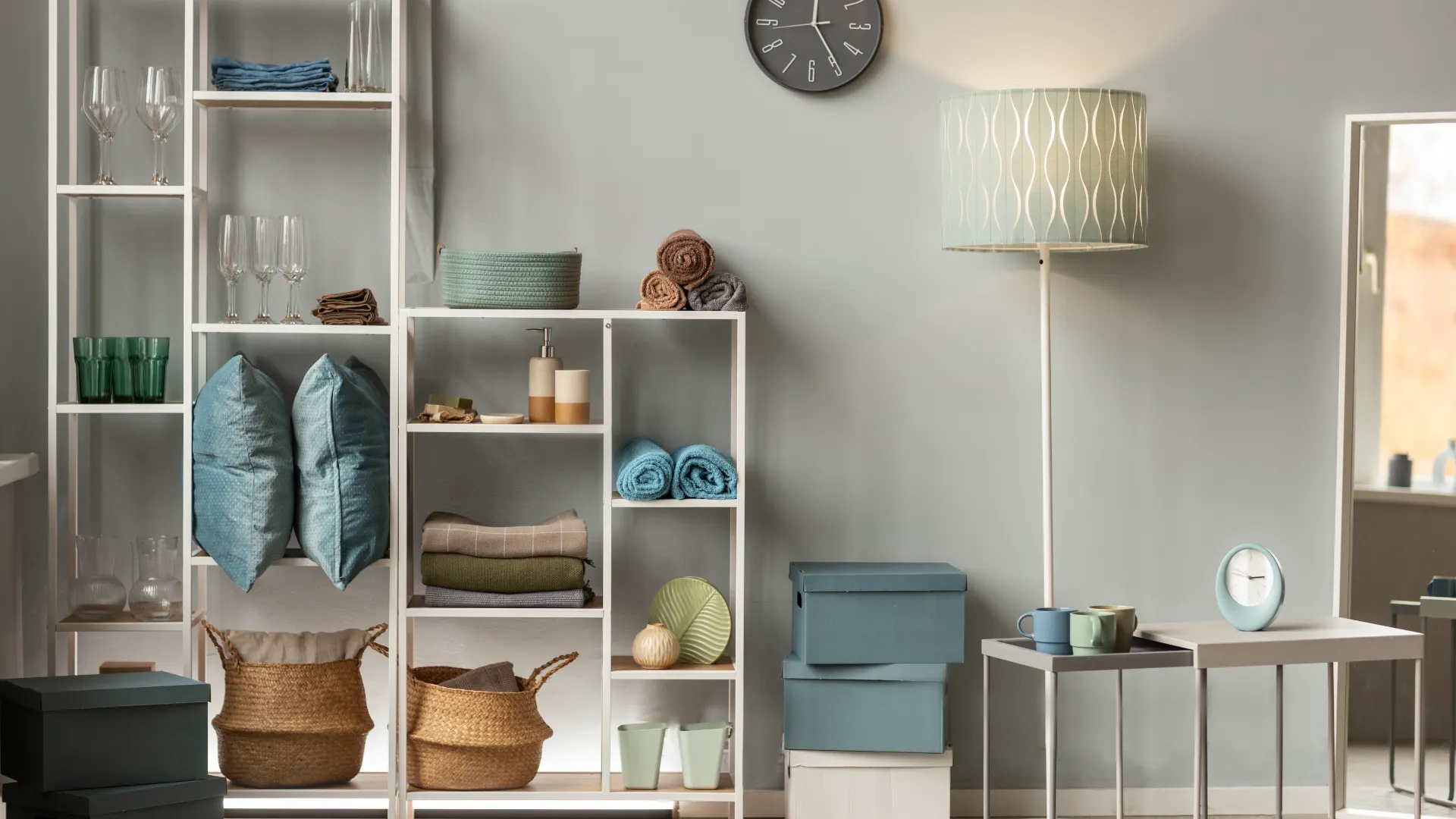
The right bedroom storage design ideas can make a room easier to use without making it feel crowded. Effective storage is not simply about adding more cabinets. It involves deciding what needs to be stored, how frequently it is accessed, and which areas of the bedroom can accommodate storage without interfering with movement.
Clothing, shoes, bedding, accessories, books, luggage, and personal belongings all require different storage solutions. A well-planned bedroom can combine wardrobes, drawers, shelves, under-bed compartments, built-ins, and concealed storage so that frequently used items remain accessible while less-used belongings stay out of sight.
Before purchasing storage furniture, measure the room and existing closet space. Pay attention to door swings, windows, electrical outlets, heating equipment, and the clearance required to open drawers and wardrobe doors. These details determine whether a storage solution will genuinely improve the room or simply consume valuable floor space.
Assess Your Storage Needs First
One of the most important bedroom storage design ideas is to plan around the belongings you actually own. A storage system should be designed according to your wardrobe, bedding, accessories, and daily routines rather than an arbitrary number of shelves.
Separate Items by Frequency of Use
Divide belongings into frequently used, occasionally used, and rarely used categories. Daily clothing should be positioned where it is easy to reach, while seasonal clothing and luggage can occupy higher or less accessible areas.
Measure What You Need to Store
Estimate how much hanging clothing, folded clothing, footwear, accessories, and bedding you have. This helps determine whether you need more hanging space, drawers, shelves, or concealed compartments.
Maximize the Bedroom Closet
The existing closet is often the first place to improve before adding more furniture.
Add a Second Hanging Level
If the closet contains a large uninterrupted vertical area, an additional hanging rod can increase usable clothing capacity. Short garments such as shirts and trousers can often be arranged differently from longer garments.
Use Adjustable Shelving
Adjustable shelves allow the storage configuration to change as your needs change. This is more flexible than installing fixed shelves at arbitrary heights.
Add Drawer Units
Drawers can organize folded clothing and smaller accessories more effectively than deep open shelves. If the closet dimensions permit, internal drawers can turn unused floor space into practical storage.
Install a Built-In Wardrobe
Built-in wardrobes are among the most effective bedroom storage design ideas for maximizing available wall space. They can be designed around the dimensions of the room rather than forcing standard furniture into an existing layout.
Use Floor-to-Ceiling Storage
A tall wardrobe can take advantage of vertical space. The upper compartments can hold luggage, seasonal clothing, spare bedding, or other belongings that are not needed every day.
Use Different Internal Zones
A well-designed wardrobe can combine:
- Hanging rails
- Drawers
- Shelves
- Shoe compartments
- Accessory storage
- Upper cabinets
The internal configuration should reflect how the occupants use the room.
Choose Between Hinged and Sliding Wardrobe Doors
The door mechanism can influence how much floor space the wardrobe requires.
Use Sliding Doors
Sliding doors do not require a large swing area. They can be useful when the wardrobe is positioned close to the bed or another piece of furniture.
Use Hinged Doors
Hinged doors provide full access to the wardrobe interior when open. They can also allow different door styles and internal configurations. However, the door swing needs sufficient clearance.
Use Under-Bed Storage
The area underneath the bed is one of the most commonly overlooked storage zones.
Use Built-In Drawers
Beds with integrated drawers provide organized access to stored items. They are particularly useful for bedding, seasonal clothing, and other medium-sized belongings.
Use Storage Containers
If the bed has open clearance underneath, appropriately sized containers can create inexpensive additional storage. Choose containers that can be removed without moving the entire bed.
Store Seasonal Items
Use under-bed storage for items that are not required every day. This keeps the main wardrobe and drawers available for frequently used belongings.
Use the Space Above the Bed
The wall above the bed can provide additional storage, but it needs careful planning.
Install Overhead Cabinets
Cabinetry above the headboard can create concealed storage. It should be securely mounted and positioned so that it does not interfere with comfortable use of the bed.
Use Open Shelving Selectively
Open shelves can display books and decorative objects. Avoid filling them with miscellaneous belongings because visible clutter can make the bedroom feel less organized.
Add Storage Around the Bed
The area immediately beside the bed can support useful storage.
Use Built-In Bedside Cabinets
A narrow cabinet can provide a combination of drawers, shelves, and a bedside surface.
Use Floating Nightstands
Wall-mounted nightstands leave more floor visible and can work well in compact rooms. They also make cleaning underneath easier.
Make a Storage Headboard
A storage headboard combines the bed’s decorative function with practical organization.
Add Shelves
Small shelves can hold books, reading glasses, phones, and other items.
Add Concealed Compartments
Closed compartments can hide objects that would otherwise remain visible. This creates a cleaner appearance while keeping essentials within reach.
Use Vertical Bedroom Storage
When floor space is limited, vertical storage can significantly increase capacity.
Install Tall Shelving
A narrow, tall shelving unit can provide substantial storage without occupying a large footprint.
Use the Top of Existing Furniture
The area above a dresser or wardrobe can sometimes accommodate additional storage. Use secure, appropriately designed units rather than simply stacking unstable boxes.
Add a Bedroom Dresser
A dresser provides accessible storage for folded clothing, accessories, and smaller items.
Choose Drawer Depth Carefully
Deep drawers can store bulky clothing, but excessive depth can make smaller belongings difficult to organize. A combination of shallow and deeper drawers is often more practical.
Use Drawer Dividers
Dividers can separate socks, underwear, accessories, and other small items. They also prevent the contents from shifting into a single pile.
Design a Dedicated Shoe Storage Area
Shoes can quickly occupy valuable floor space when they are not organized.
Use Vertical Shoe Shelving
A narrow vertical rack can store multiple pairs without requiring a large footprint.
Use Pull-Out Shoe Drawers
Built-in pull-out storage can keep footwear concealed while making individual pairs easy to access.
Store Infrequently Used Shoes Higher
Seasonal or special-occasion footwear can be placed in less accessible areas.
Add Jewelry and Accessory Storage
Small accessories require a different storage strategy from clothing.
Use Shallow Drawers
Shallow compartments can prevent jewelry and small accessories from becoming buried.
Add Drawer Inserts
Divided inserts can separate watches, belts, jewelry, and other small pieces.
Use Door-Mounted Organizers
The inside of a wardrobe door can provide additional storage without consuming floor space.
Use the Back of the Bedroom Door
The bedroom door can become an additional storage surface.
Add Hooks
Hooks can hold robes, bags, hats, and frequently used clothing.
Use an Over-Door Organizer
An appropriately designed organizer can store shoes, accessories, or smaller items. Make sure the door can still close properly and that the organizer does not damage the door or frame.
Create a Window-Side Storage Bench
A window area can sometimes become useful storage space.
Add a Built-In Bench
A bench with drawers or lift-up compartments can provide seating and concealed storage.
Avoid Blocking the Window
Keep the window accessible and avoid interfering with curtains, blinds, ventilation, or emergency egress requirements where applicable.
Use the Space Under a Window
A low cabinet or dresser can sometimes fit beneath a window.
Choose Low-Profile Furniture
The furniture should remain below or appropriately around the window rather than obstructing it.
Create a Continuous Storage Wall
When dimensions allow, several low cabinets can create a unified storage arrangement.
Add Corner Storage
Corners are often difficult to furnish with standard pieces.
Use Corner Shelves
Corner shelving can turn otherwise unused wall area into display or storage space.
Consider Custom Corner Cabinets
A custom unit can take advantage of awkward angles or dimensions. However, custom cabinetry usually costs more than standard furniture.
Build Storage Into a Bedroom Alcove
An alcove can become an excellent location for built-in storage.
Use Full-Height Cabinets
Full-height units can maximize the available wall area.
Add a Combination of Open and Closed Storage
Closed cabinets can hide clutter while open shelving can display books or decorative objects. The combination can provide both function and visual balance.
Create a Hidden Laundry Storage Area
Bedrooms can sometimes accumulate laundry baskets and clothing piles. A designated laundry compartment can improve organization.
Use a Pull-Out Hamper
A pull-out hamper can be integrated into a wardrobe or cabinet.
Separate Laundry From Clean Clothing
Keeping dirty laundry physically separated from clean clothing helps maintain a more organized storage system.
Use Multi-Functional Bedroom Furniture
Furniture can perform more than one job.
Choose a Storage Ottoman
An ottoman at the foot of the bed can provide seating and concealed storage.
Use a Bedside Chest
A chest can function as a nightstand while providing several drawers.
Choose a Storage Bench
A storage bench can provide a place to sit while also hiding blankets, pillows, or other belongings.
Use a Bedroom Desk With Storage
If the bedroom also serves as a workspace, the desk should contribute to organization.
Add Drawers
Drawers can store chargers, stationery, documents, and other small items.
Use Vertical Shelving
Shelves above the desk can hold books and supplies without consuming additional floor area.
Hide Cables
Cable management channels or built-in openings can keep chargers and wires from becoming visually messy.
Consider a Walk-In Closet
If space permits, a walk-in closet can provide substantial storage capacity. However, it should not be created at the expense of an appropriately sized bedroom.
Divide the Closet Into Zones
Create dedicated sections for long garments, short garments, folded clothing, shoes, and accessories.
Use Vertical Space
Upper shelving can store luggage, seasonal belongings, and spare bedding.
Improve a Small Bedroom With Better Storage
Good bedroom storage design ideas are particularly valuable in compact rooms because storage furniture can easily consume the available floor area.
Use Wall-Mounted Storage
Shelves, cabinets, and hooks can move storage away from the floor.
Choose Furniture With a Small Footprint
Prioritize tall and narrow storage over wide, bulky furniture where appropriate.
Use Hidden Storage
Storage beds, ottomans, benches, and built-in cabinets can conceal belongings while keeping the room visually clean.
Use Open and Closed Storage Together
A bedroom does not have to rely exclusively on cabinets.
Use Open Shelves for Display
Books, artwork, plants, and selected accessories can remain visible.
Use Closed Cabinets for Everyday Clutter
Clothing, electronics, paperwork, and miscellaneous belongings are usually easier to manage when concealed. The balance between the two creates both accessibility and visual order.
Choose Storage Materials Carefully
Storage furniture should suit the bedroom’s environment and design.
Consider Wood-Based Cabinetry
Wood and engineered wood products can provide a broad range of colors and finishes.
Consider Metal Storage
Metal shelving can provide a lightweight visual appearance and work well with contemporary or industrial designs.
Coordinate Finishes
Matching or complementary finishes across wardrobes, nightstands, dressers, and shelving can make separate storage pieces appear like one coordinated system.
Make Storage Easy to Access
Storage capacity is not useful if items are difficult to retrieve.
Keep Daily Items at Comfortable Heights
Frequently used belongings should be stored between convenient reach levels.
Reserve High Storage for Occasional Items
Upper shelves are appropriate for luggage, seasonal belongings, and other infrequently accessed items.
Avoid Excessively Deep Shelves
Deep shelves can create hidden areas where belongings are easily forgotten. Choose storage depth according to the items being stored.
Compare Bedroom Storage Solutions
| Storage solution | Space efficiency | Best for | Main consideration |
| Built-in wardrobe | Very high | Large clothing collections | Higher installation cost |
| Sliding wardrobe | High | Tight floor space | Limited simultaneous access |
| Storage bed | High | Bedding and seasonal items | Access mechanism |
| Tall shelving | High | Books and accessories | Visual clutter |
| Dresser | Medium | Folded clothing | Floor footprint |
| Floating shelves | High | Small items and display | Wall strength |
| Storage bench | Medium | Blankets and seating | Requires floor space |
| Over-door organizer | High | Accessories and shoes | Door clearance |
| Bedside cabinet | Medium | Daily essentials | Limited capacity |
| Under-bed boxes | High | Infrequent items | Accessibility |
Plan a Custom Bedroom Storage Wall
A storage wall can combine several functions in one continuous installation.
Combine Wardrobe and Shelving
Use closed wardrobes for clothing and open shelves for books or decorative items.
Add a Dressing Area
A mirror and small countertop can create a compact dressing station.
Integrate a Desk
Where the room needs a workspace, the storage wall can include a desk section. This approach can reduce the number of independent furniture pieces required.
Avoid Common Bedroom Storage Mistakes
Even the best bedroom storage design ideas can create problems if the system is designed without considering everyday use.
Do Not Maximize Storage at the Expense of Movement
A room packed with cabinets may technically have plenty of storage but become uncomfortable to use.
Do Not Make Every Shelf Deep
Deep storage often creates inaccessible spaces.
Do Not Put Frequently Used Items Too High
Daily-use clothing and accessories should remain easy to reach.
Do Not Ignore Door and Drawer Clearance
Check that wardrobe doors, drawers, and room doors can open without colliding.
Do Not Create Too Much Open Storage
Open shelves require more visual organization than closed cabinets.
Do Not Forget Future Needs
Storage requirements can change. Adjustable shelves, movable hanging rails, and flexible compartments can make a system more useful over time.
Organize Bedroom Storage by Category
A practical storage system becomes easier to maintain when each category has a designated location.
Clothing
Use hanging rails, drawers, and shelves according to garment type.
Bedding
Store spare sheets, blankets, and pillows in larger drawers, cabinets, or under-bed compartments.
Shoes
Use dedicated shelves or drawers rather than allowing footwear to spread across the floor.
Accessories
Use shallow drawers, inserts, hooks, or small compartments.
Luggage
Place suitcases in upper wardrobe compartments or another infrequently accessed storage area.
Design Storage for Different Bedroom Types
Storage requirements vary according to who uses the bedroom.
Primary Bedroom
Prioritize clothing, accessories, bedding, and personal belongings. A combination of wardrobes and drawers usually provides greater flexibility.
Guest Bedroom
Keep storage simple and accessible. A compact wardrobe, dresser, and a few open shelves may be enough.
Children’s Bedroom
Choose storage that can adapt as clothing, books, toys, and equipment change over time. Accessible lower shelves can encourage children to organize their belongings independently.
Teen Bedroom
Combine clothing storage with dedicated areas for books, electronics, school supplies, and hobbies.
Create a Storage Plan Before Buying Furniture
The most effective bedroom storage design ideas begin with accurate planning.
Measure the Room
Record wall dimensions, ceiling height, window locations, door swings, and existing furniture.
Inventory Your Belongings
Estimate the amount of hanging clothing, folded clothing, shoes, bedding, books, and other possessions.
Allocate Storage Zones
Assign different parts of the room to different categories.
Test the Furniture Layout
Use measurements or temporary floor markings to determine whether furniture leaves adequate circulation space.
Add Decorative Details Last
Once the storage system works, introduce mirrors, artwork, lighting, rugs, and accessories.
Frequently Asked Questions
What are the best bedroom storage design ideas?
The most useful solutions include built-in wardrobes, floor-to-ceiling cabinets, storage beds, under-bed containers, tall shelving, drawer organizers, floating shelves, storage benches, and multifunctional furniture.
How can I add storage to a small bedroom?
Use vertical walls, under-bed compartments, tall wardrobes, floating shelves, over-door organizers, and furniture that performs multiple functions.
Is a built-in wardrobe worth it?
A built-in wardrobe can be worthwhile when you want to maximize a specific wall or awkward space. It can use available height and width more efficiently than many freestanding wardrobes, although installation costs are typically higher.
How do I maximize closet storage?
Add adjustable shelves, additional hanging levels, drawers, shoe storage, accessory compartments, and upper storage. Organize the interior according to the clothing and belongings you actually own.
What should I store under my bed?
Under-bed storage is useful for seasonal clothing, spare bedding, luggage accessories, and other items that do not need daily access.
Are sliding wardrobe doors better for small bedrooms?
They can be useful because they do not require the front swing clearance of hinged doors. However, only part of the wardrobe may be accessible at one time depending on the door configuration.
How can I organize a bedroom without adding furniture?
Declutter unused belongings, reorganize existing drawers and closets, use under-bed containers, add hooks, install small wall shelves, and improve the internal configuration of existing storage.
How do I make bedroom storage look less bulky?
Use floor-to-ceiling cabinetry, consistent finishes, concealed handles, integrated lighting, and a restrained color palette. Built-in storage can also appear less visually intrusive when it aligns with the wall.
What is the best storage for shoes?
The best solution depends on the number of shoes and available space. Vertical racks, pull-out shelves, dedicated drawers, and wardrobe compartments can all work when sized appropriately.
How can I store clothes without a wardrobe?
Use a combination of dressers, garment racks, storage beds, shelving, under-bed containers, and wall-mounted systems. However, clothing should still be protected from excessive dust and moisture.
Should bedroom storage be open or closed?
A combination is often practical. Open shelving provides easy access and display space, while closed cabinets conceal clutter and protect belongings from dust.
How high should bedroom storage go?
Where practical, storage can extend toward the ceiling to maximize capacity. Frequently used items should remain within comfortable reach, while upper compartments can be reserved for seasonal or rarely used belongings.
How can I make bedroom storage more flexible?
Use adjustable shelves, movable hanging rails, modular drawers, removable dividers, and storage units that can be reconfigured as your needs change.
Conclusion
The most effective bedroom storage design ideas are based on how the room is actually used. Instead of adding as many cabinets as possible, create a storage system that separates daily necessities from occasional belongings and uses the room’s vertical and hidden spaces intelligently.
Start with the existing closet, then consider built-in wardrobes, storage beds, tall cabinets, drawers, shelves, and multifunctional furniture. In a small bedroom, prioritize solutions that increase capacity without sacrificing comfortable circulation.
Good storage should also be easy to access. Keep frequently used items within reach, reserve higher compartments for seasonal belongings, and use closed storage to control visual clutter.
Ultimately, the best bedroom storage design is one that fits the room, accommodates your belongings, remains easy to maintain, and makes everyday routines simpler without overwhelming the space.