How to Pick a Kitchen Backsplash
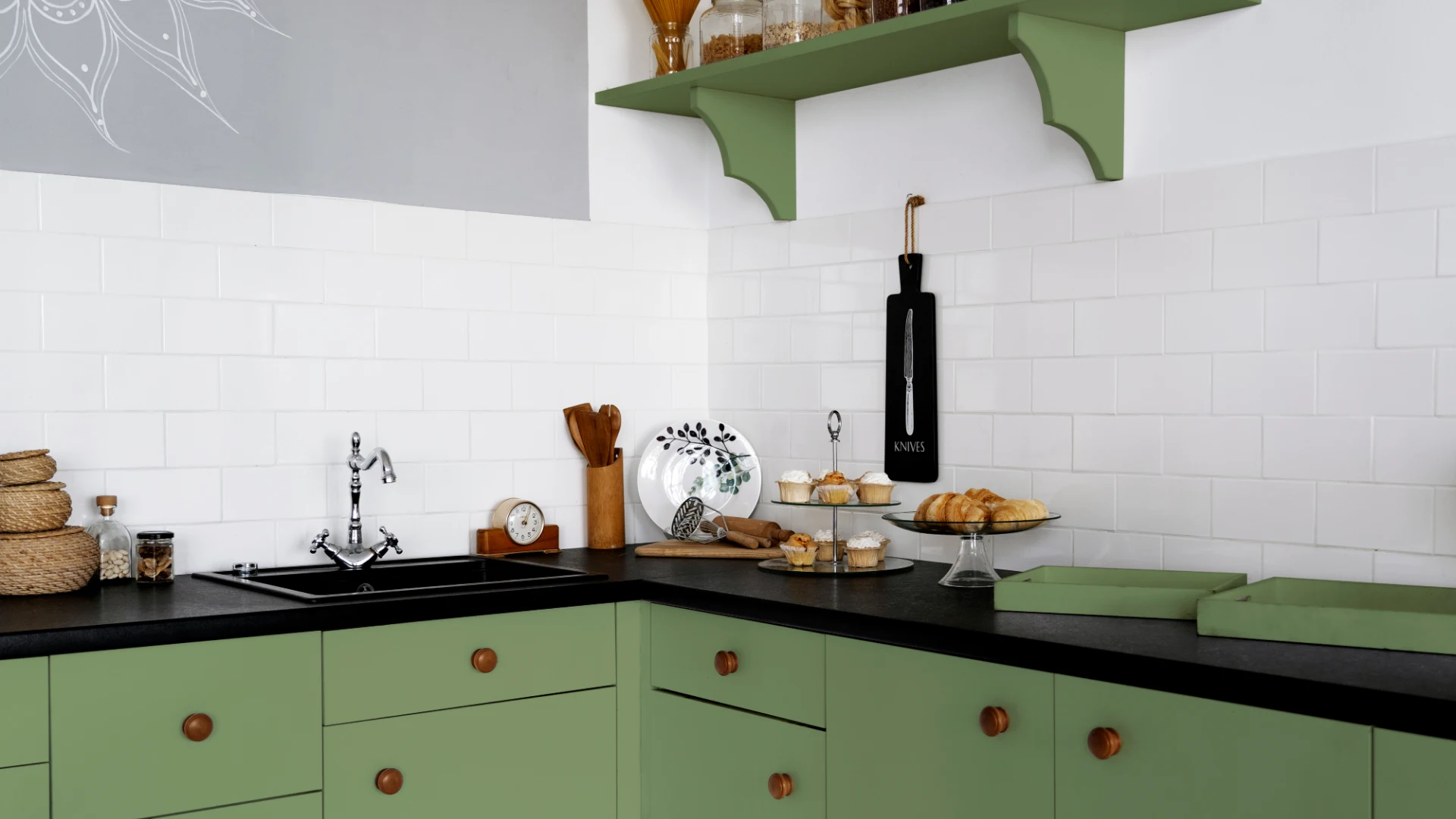
Learning how to pick a kitchen backsplash becomes much easier when you stop treating the backsplash as an isolated decoration. It needs to work with your countertops, cabinets, flooring, appliances, lighting, and the way you actually use the kitchen. The best backsplash can quietly tie the entire room together, while the wrong color, pattern, or material can make otherwise attractive finishes compete with each other. A backsplash also protects the wall from cooking splashes, grease, and moisture, so appearance is only part of the decision. A practical approach is to choose the major finishes first, decide how much visual attention the backsplash should receive, then compare material, color, shape, pattern, grout, size, height, maintenance, and budget.
Start With Your Countertop
Your countertop is usually the best starting point when choosing a backsplash because the two surfaces meet directly and need to look intentional together. MSI recommends selecting the countertop first because it is typically a larger investment and gives you a visual foundation for the wall tile. Look closely at your countertop before selecting tile. Identify its dominant color, undertones, veining, movement, and finish.
If the countertop has dramatic marble-like veining or several colors, a simple backsplash can prevent the kitchen from looking visually crowded. If the countertop is mostly solid and understated, you have more room to introduce pattern, texture, or color through the backsplash. You do not necessarily need an exact match. A backsplash can repeat one subtle color from the countertop or provide a controlled contrast.
Consider Your Cabinets, Flooring, and Hardware
After the countertop, look at the other permanent finishes in the kitchen. Your cabinets, flooring, appliances, and hardware all influence which backsplash will feel natural in the room. For example, warm wood cabinets can work well with creamy whites, earthy stone tones, muted greens, or other warm materials. White cabinets provide a more flexible backdrop for gray, blue, green, patterned, metallic, or classic white tile.
Your hardware can also provide a useful design clue. Black hardware may support a crisp contrasting backsplash, while brass or bronze hardware can pair naturally with warmer tile colors and finishes. The goal is not to make every element identical. Instead, repeat or complement a few colors and materials so the kitchen feels connected.
Decide What You Want the Backsplash to Do
Before choosing a tile, decide whether you want the backsplash to blend in or stand out. A quiet backsplash works well when the cabinets or countertops are already the main feature. Simple subway tile, large-format tile, soft neutrals, or a restrained stone pattern can provide a finished background without competing for attention.
A statement backsplash makes more sense when the rest of the kitchen is relatively simple. Strong color, patterned tile, unusual shapes, handmade finishes, or a dramatic slab can become the focal point. This balance is important because a backsplash is positioned at eye level. Busy patterns can become overwhelming when combined with equally busy countertops, cabinets, and flooring.
Choose a Backsplash Material
Material affects appearance, durability, cleaning, maintenance, and cost. Common kitchen backsplash choices include ceramic, porcelain, glass, natural stone, metal, and large-format slab materials.
Ceramic Tile
Ceramic is one of the most versatile backsplash materials. It is available in numerous colors, shapes, sizes, textures, and finishes, making it suitable for traditional, transitional, farmhouse, and contemporary kitchens. It is also relatively straightforward to clean, making it practical for everyday kitchen use.
Porcelain Tile
Porcelain offers another durable option and can reproduce the appearance of stone, marble, concrete, wood, and other materials. It can be particularly useful when you want the appearance of a natural material without using the natural material itself. MSI notes that porcelain is durable and moisture resistant.
Glass Tile
Glass can reflect light and create a brighter, more luminous appearance. It works particularly well when you want the backsplash to contribute visual sparkle or make a kitchen feel lighter. However, reflective surfaces can show fingerprints, splashes, and residue more readily, so consider how much cleaning you are willing to do.
Natural Stone
Marble, granite, travertine, slate, and other natural stones can bring distinctive variation and an upscale appearance to a kitchen. The important consideration is maintenance. Some natural stones require sealing and more careful cleaning than ceramic or porcelain, so always check the specific stone’s care requirements before choosing it.
Metal
Metal backsplashes can introduce an industrial or contemporary character. Stainless steel, brass, and copper finishes can work as a focal material or as a smaller accent behind a range. Because metal has a strong visual presence, it is often best balanced with quieter surrounding finishes.
Large-Format Slabs
A slab backsplash can create a much more continuous appearance because it reduces or eliminates many grout lines. Stone and porcelain slab surfaces can also emphasize dramatic veining or create a clean modern backdrop. This approach is particularly effective when you want the countertop and backsplash to read as one coordinated surface.
Pick the Right Backsplash Color
Color should relate to the existing kitchen rather than being selected from a tile display in isolation. Neutral backsplash colors such as white, cream, beige, gray, and soft taupe are versatile because they can work with many cabinet and countertop combinations. Home Depot also notes that neutral backsplashes can provide a calm base while allowing other kitchen elements to stand out.
For more personality, consider muted blue, green, black, terracotta, or another color already present in the room. One useful approach is to pull a secondary color from your countertop. This creates coordination without requiring the backsplash to duplicate the countertop exactly.
Choose a Tile Shape and Pattern
Tile shape can change the entire character of the backsplash even when the color remains the same. Classic subway tile is a versatile choice, while herringbone creates more movement. Hexagons, fish-scale shapes, mosaics, geometric tiles, and handmade shapes can create a stronger decorative statement. Common backsplash patterns include:
- Running bond or traditional subway layout
- Stacked horizontal tile
- Vertical stacked tile
- Herringbone
- Chevron
- Hexagonal layouts
- Mosaic patterns
- Geometric arrangements
Lowe’s identifies subway, mosaic, herringbone, and geometric layouts among common kitchen backsplash patterns. The pattern should match the overall style of the kitchen. A complicated pattern may look beautiful in a sample but become visually dominant when installed across an entire wall.
Pay Attention to Tile Size and Scale
Tile size matters almost as much as tile color. Large-format tiles can create a calmer appearance because they use fewer grout joints. Smaller mosaics create more detail and can work well when you want the backsplash to become a decorative feature. The size should also relate to the scale of your kitchen. A tiny mosaic can look extremely busy across a large wall, while an oversized tile may overwhelm a small backsplash area. If you combine different tile sizes, plan the transitions before installation. Tile Bar recommends using scale deliberately so individual patterns remain visually clear instead of competing with one another.
Do Not Forget the Grout Color
Grout is not merely a technical detail. It can substantially change how the backsplash looks. Matching grout creates a quieter, more continuous appearance. Contrasting grout emphasizes individual tiles and makes the pattern more noticeable. For example, white tile with white grout creates a softer and more unified look, while darker grout can make the individual tile shapes and joints stand out. MSI specifically highlights grout color as an important part of the overall backsplash design. Think about maintenance, too. Very light grout can show staining more readily in a busy cooking area, while a darker grout can visually disguise everyday marks.
Decide How High the Backsplash Should Go
A backsplash does not have to stop at the bottom of the upper cabinets. The traditional approach is to cover the wall between the countertop and upper cabinets. You can also extend the material higher behind a range, continue it to the ceiling, or use a full-height slab. MSI notes that extending the backsplash upward can create a stronger focal point and may make a smaller space feel taller or larger. A full-height treatment can be especially effective behind a range hood or on a prominent wall, but it uses more material and therefore affects the budget.
Use a Focal Point Carefully
The area behind the range or cooktop is a natural location for a backsplash focal point. You might use a different tile pattern, decorative mosaic, framed arrangement, contrasting material, or larger-format design in this area while keeping the surrounding backsplash simpler. This works best when the focal point has a clear relationship with the rest of the kitchen. MSI specifically identifies areas above the range or sink as potential locations for attention-grabbing backsplash enhancements.
Match the Backsplash to Your Kitchen Style
The right backsplash should support the overall design direction rather than fight it.
Modern Kitchens
Clean shapes, restrained colors, large-format surfaces, simple subway tile, glass, and minimal grout lines can complement modern kitchens.
Contemporary Kitchens
Contemporary kitchens have more freedom for geometric shapes, contrasting colors, textured tile, and unusual patterns while maintaining a clean overall composition.
Farmhouse Kitchens
Subway tile, warm white tile, handmade-looking surfaces, brick-inspired materials, and natural stone can support a farmhouse appearance.
Rustic Kitchens
Stone, brick-look tile, earthy colors, and textured surfaces can reinforce a rustic character.
Traditional Kitchens
Classic marble, subway tile, restrained mosaics, and timeless neutral palettes can work particularly well with traditional cabinetry. The key is to consider the entire room rather than choosing a backsplash based solely on what is currently trending. Home Depot similarly recommends connecting backsplash choices to the kitchen’s decor, cabinet color, and overall design era.
Consider How Much You Cook
Your cooking habits should influence the material and pattern you choose. If you cook frequently, a backsplash that is easy to wipe clean can be more practical than a highly textured or irregular surface.
House Beautiful points out that uneven surfaces can catch food splatters and that very light or highly textured materials may require more attention in kitchens where cooking creates frequent messes. If the kitchen is used lightly, you may have more freedom to prioritize texture, handmade finishes, or intricate decorative patterns.
Think About Maintenance Before You Buy
Ask yourself how the backsplash will be cleaned before committing to a material. Smooth surfaces generally make wiping easier. More grout lines mean more joints to maintain, while textured or uneven surfaces can require additional attention. Natural stone can also have specific sealing and care requirements. MSI recommends considering cleaning requirements based on how heavily the space is used, while TileBar advises routine cleaning with appropriate mild products and following material-specific care instructions. Always follow the manufacturer’s cleaning and sealing instructions for the specific tile and grout you purchase.
Set a Backsplash Budget
Your budget should include more than the price of the tile.
Consider:
- Tile or slab material
- Grout and setting materials
- Trim or edge pieces
- Installation labor
- Surface preparation
- Removal of an existing backsplash
- Complex cuts around outlets and corners
- Decorative or specialty materials
- Additional material for waste
Intricate patterns can also require more cutting and installation time than a simple straight layout. If your budget is limited, you do not necessarily have to eliminate premium materials. One strategy is to use an accent material in a smaller focal area and a more affordable tile elsewhere.If you are looking for other ways to improve the kitchen without overspending, these Budget kitchen upgrades can help you prioritize smaller changes that still make a noticeable difference.
Measure the Backsplash Area Before Shopping
Measure each backsplash section separately. Multiply the width by the height to determine the approximate square footage. Add the sections together rather than assuming every wall has the same dimensions. Lowe’s recommends measuring the backsplash area and accounting for extra material needed for cuts and waste. MSI likewise recommends adding about 10% extra material after calculating the required area. Also measure around windows, outlets, cabinets, range hoods, and other obstacles. These details can influence which tile size and pattern will produce the cleanest installation.
Check Samples in Your Actual Kitchen
Never rely solely on a small showroom sample or a digital image. Place actual tile samples beside your countertop, cabinets, flooring, and hardware. Check them in morning, afternoon, and artificial lighting because color and reflectivity can change significantly depending on the light.
MSI recommends visualizing backsplash options alongside countertops, cabinets, and flooring before making the final decision. This step is especially important for whites, grays, beige tones, natural stone, metallic finishes, and handmade tiles because subtle undertones may not be obvious in a store.
Decide Whether You Want a Timeless or Trend-Driven Look
If you expect to keep the kitchen for many years, consider whether you want a backsplash that can adapt as your taste changes. Classic subway layouts, restrained neutrals, simple stone patterns, and understated tile shapes tend to provide a flexible foundation.
If you prefer a trend-forward design, colorful tile, bold geometry, handmade finishes, dramatic patterns, and unusual shapes can make the kitchen more distinctive. There is no requirement to avoid trends. The important question is whether you genuinely like the design enough to live with it for years.
Should the Backsplash Match the Countertop?
The backsplash does not need to match the countertop exactly. A better approach is to coordinate the two surfaces through color, undertone, material, or pattern. For a heavily patterned countertop, a simpler backsplash often provides balance. For a plain countertop, the backsplash can introduce more texture or visual interest. Think of the countertop and backsplash as two parts of one composition.
Should the Backsplash Be Lighter or Darker Than Cabinets?
Either can work.
A lighter backsplash can create contrast against dark cabinets and help the kitchen feel brighter. A darker backsplash can provide depth against light cabinetry and create a more dramatic appearance. Instead of following a strict lighter-or-darker rule, consider the amount of contrast you want. If several elements already have strong contrast, a middle-tone backsplash may create better balance.
Can You Mix Backsplash Materials and Patterns?
Yes, but restraint is important.
You might use one main tile throughout the kitchen and introduce a second material behind the range. Another option is to combine two related tile shapes while keeping the colors consistent. MSI’s backsplash designs demonstrate combinations of subway tiles, mosaics, moldings, geometric shapes, and contrasting colors. The safest way to mix materials is to establish one dominant material and use the second as an intentional accent.
Common Backsplash Mistakes to Avoid
Choosing a backsplash becomes easier when you know what commonly goes wrong. Choosing the tile first: Starting with a beautiful tile before considering countertops and cabinets can make coordination harder. Ignoring undertones: Two whites, grays, or beige tiles may look completely different because of their warm or cool undertones. Using too many competing patterns: A patterned countertop, decorative backsplash, busy flooring, and elaborate cabinet details can overwhelm the room. Forgetting grout: Grout color can change the visual impact of the entire tile installation. Skipping samples: A tile can look different under your kitchen’s lighting than it does in a showroom. Ignoring maintenance: A beautiful material is not necessarily the best choice if its cleaning requirements do not fit your lifestyle. Underestimating cuts: Outlets, corners, windows, cabinets, and range hoods can make installation more complicated than a simple wall measurement suggests.
A Simple Process for Choosing Your Backsplash
If you are still unsure how to pick a kitchen backsplash, use this order:
- Finalize your countertop and major cabinet finishes.
- Identify the colors and undertones already present.
- Decide whether the backsplash should blend in or become a focal point.
- Choose a material based on durability and maintenance.
- Select the main color or color family.
- Choose the tile size and shape.
- Decide on the installation pattern.
- Compare grout colors.
- Determine the backsplash height and focal areas.
- Measure the walls and calculate material needs.
- Compare total project costs, including installation.
- Test physical samples in your kitchen before ordering.
This sequence prevents you from becoming distracted by hundreds of individual tile options before you understand what your kitchen actually needs.
FAQs About How to Pick a Kitchen Backsplash
What should I choose first, countertop or backsplash?
The countertop is generally the better starting point. It is usually a larger investment, and the backsplash directly meets it, so choosing the backsplash afterward makes coordination easier
What is the most popular kitchen backsplash style?
Subway tile remains a highly versatile choice, while herringbone, geometric, mosaic, handmade, and large-format designs provide alternatives for homeowners seeking more visual character. Lowe’s and current design sources identify several of these patterns as common backsplash options.
What backsplash is easiest to clean?
Smooth ceramic and porcelain tiles with relatively simple layouts are generally practical choices because they are easy to wipe and can avoid the extensive grout found in small mosaics. The specific product’s care instructions should always take priority.
Should backsplash and countertop be the same color?
They can be, but they do not have to be. A backsplash can match, complement, or contrast with the countertop. The most important consideration is maintaining balance between color, pattern, texture, and undertones.
Is a busy backsplash a bad idea?
Not necessarily. A busy backsplash can work beautifully when the rest of the kitchen is relatively restrained. If your countertop, cabinets, or flooring already have strong patterns, however, a quieter backsplash may create a more balanced result.
How much extra backsplash tile should I buy?
A common planning allowance is about 10% extra for cuts and waste, although the actual amount can vary with the tile size, layout, room geometry, and installation pattern.
Can I use peel-and-stick backsplash tile?
Peel-and-stick products can be useful for temporary, budget-conscious, or renter-friendly updates. However, they should be evaluated according to the manufacturer’s installation requirements, surface conditions, heat exposure, moisture, and expected longevity.
Final Thoughts
Knowing how to pick a kitchen backsplash is less about finding one universally perfect tile and more about creating the right relationship between all the finishes in your kitchen.
Start with the countertop and cabinets, consider the kitchen’s overall style, then evaluate material, color, pattern, tile size, grout, height, maintenance, and budget. Most importantly, look at real samples in your own space before making the final decision.
A successful backsplash should protect the wall, fit the way you use the kitchen, and make the other finishes look better rather than competing with them. When those elements work together, even a relatively simple backsplash can give the entire kitchen a polished and intentional appearance.
The article intentionally covers the key secondary terms naturally, including kitchen backsplash ideas, backsplash tile, backsplash material, backsplash color, backsplash patterns, subway tile, herringbone backsplash, glass backsplash, ceramic backsplash, porcelain backsplash, natural stone backsplash, backsplash grout, backsplash height, tile size, backsplash maintenance, backsplash budget, and countertop coordination. The unrelated retaining-wall cluster was not forced into the copy. For more practical ideas for updating and improving your home, explore Home Recommends for additional kitchen, remodeling, and home improvement guides.