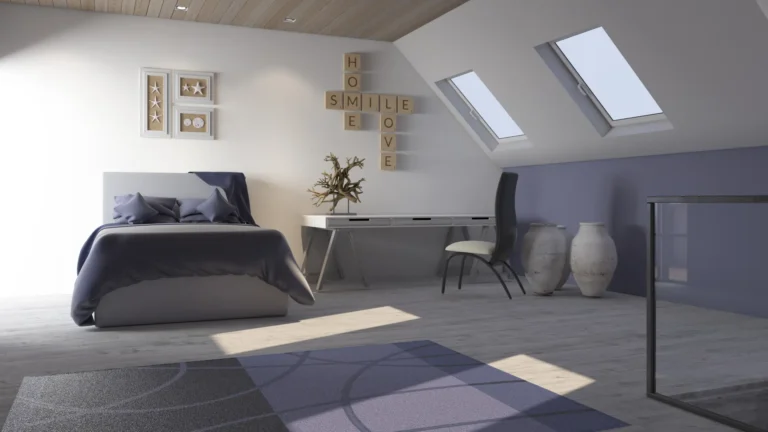
Small Bedroom Design Ideas to Maximize Space and Style
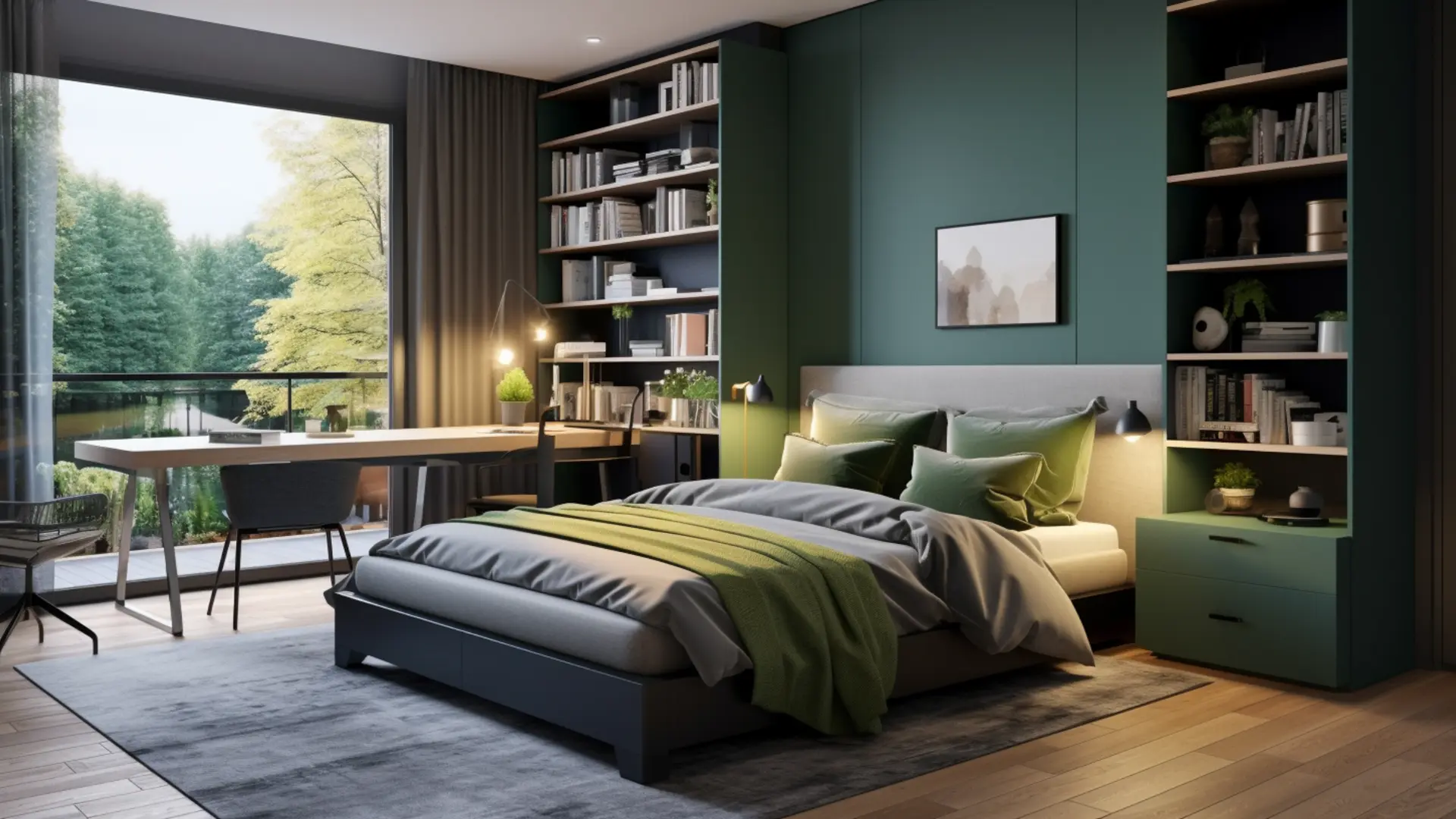
The right small bedroom design ideas can make a compact room feel more comfortable without making it look overcrowded. When floor space is limited, every decision matters, from the size of the bed and placement of furniture to storage, lighting, wall color, and visual balance.
A successful small bedroom is not simply a room filled with smaller furniture. It is a carefully planned space where circulation remains comfortable and every major element serves a purpose.
Before buying new furniture or changing the decor, measure the room, identify the locations of doors and windows, and determine where electrical outlets, radiators, closets, and other fixed features are located. This provides a practical foundation for creating a layout that works rather than relying only on appearance.
Start With the Bedroom Layout
One of the most important small bedroom design ideas is to solve the layout before choosing decorative details. A compact room can feel significantly larger when the bed, wardrobe, and other furniture are positioned correctly.
Position the Bed Strategically
The bed is usually the largest object in a bedroom, so its location has a major effect on circulation. Where possible, position it so that the entrance remains clear and there is enough space to get in and out of bed comfortably. Avoid placing furniture in positions that create narrow passageways.
Consider the Door Swing
A door can consume valuable usable floor space. Check whether the door interferes with the bed, wardrobe, desk, or other furniture. In some situations, changing the door configuration can improve circulation, although this becomes a larger construction project than simply rearranging furniture.
Use the Windows as Design Anchors
Avoid unnecessarily blocking a window with tall furniture. Natural light is especially valuable in a compact room because it can make the space feel more open.
Choose the Right Bed Size
The bed should provide enough sleeping comfort without overwhelming the room.
Use a Space-Appropriate Bed
If a full-size bed provides adequate sleeping space, it may leave considerably more usable floor area than a larger mattress. However, couples should not sacrifice necessary sleeping comfort simply to gain a few extra inches of floor space.
Consider a Storage Bed
A bed with integrated drawers or lift-up storage can turn unused space beneath the mattress into useful storage. This can reduce the need for additional cabinets.
Consider a Platform Bed
A streamlined platform design can reduce visual bulk. Models with minimal framing can help the room appear less crowded.
Use Furniture With Multiple Functions
Multifunctional furniture is among the most useful small bedroom design ideas because one item can perform several jobs.
Choose a Bedside Table With Storage
Instead of using a simple table, choose a nightstand with drawers or shelves. This provides a place for books, chargers, personal items, and other necessities.
Use a Desk as a Dressing Area
A compact desk can potentially serve as a workspace and grooming station when paired with suitable storage and a mirror. This is particularly useful in bedrooms that need to support several activities.
Consider a Storage Bench
A bench at the foot of the bed can provide seating and concealed storage without requiring a separate chair.
Use Vertical Space
When floor area is limited, look upward. Walls can provide storage and display space without reducing walking room.
Install Wall-Mounted Shelves
Shelves can hold books, small plants, framed artwork, and everyday items. Use them carefully so the wall does not become visually cluttered.
Use Tall Storage
A tall wardrobe or shelving unit can take advantage of vertical space. Choose a design that reaches upward rather than spreading unnecessarily across the floor.
Add Wall Hooks
Hooks can hold bags, robes, hats, or frequently used accessories. Place them where they are convenient without obstructing doors or circulation paths.
Choose a Slim Wardrobe
A bulky wardrobe can dominate a small bedroom. Before purchasing one, measure the available depth and consider how far its doors project into the room.
Use Sliding Doors
Sliding wardrobe doors do not require the same front clearance as hinged doors. This can be useful when the wardrobe is close to the bed or another piece of furniture.
Use Built-In Storage
If the budget and structure allow, built-in storage can make better use of awkward wall dimensions. It can extend from floor to ceiling and reduce unused gaps.
Use Under-Bed Storage
The area beneath the bed is often wasted space. Storage boxes, drawers, or a purpose-built storage bed can accommodate items that are not needed every day.
Store Seasonal Items
Winter clothing, spare bedding, luggage, and other infrequently used possessions can be kept under the bed. Use containers that protect the contents from dust.
Keep Storage Organized
Under-bed storage can become difficult to manage if everything is placed in one large container. Use labeled boxes or separate compartments so items remain accessible.
Use Mirrors to Increase Visual Depth
Mirrors are a practical design tool in compact rooms. They reflect light and can create the impression of additional visual depth.
Place a Mirror Opposite or Near Natural Light
Positioning a mirror where it can reflect daylight can make the room feel brighter. The effect depends on the window position and surrounding surfaces.
Use Mirrored Wardrobe Doors
A wardrobe with mirrored doors can combine storage and reflective space. This can eliminate the need for a separate full-length mirror.
Choose a Light and Controlled Color Palette
Color has a strong influence on how a small bedroom feels.
Use Light Colors Strategically
Soft whites, warm neutrals, pale gray, muted green, and other lighter tones can help maintain a visually open atmosphere. The room does not need to be completely white.
Add Contrast Through Small Elements
Use bedding, artwork, cushions, curtains, or a single accent wall to introduce stronger colors. Keeping larger surfaces relatively restrained can prevent the room from feeling visually heavy.
Use the Ceiling to Add Height
The ceiling is often overlooked in small bedroom design.
Hang Curtains Higher
Mounting curtain hardware closer to the ceiling can emphasize vertical height. The curtains should extend appropriately toward the floor to create a continuous visual line.
Use Vertical Patterns
Subtle vertical lines or tall architectural details can draw attention upward. Avoid excessive patterns if the room already contains many competing visual elements.
Improve Bedroom Lighting
A small bedroom needs more than one light source. A single overhead fixture can create a flat or harsh atmosphere.
Use Layered Lighting
Consider combining:
- General ceiling lighting
- Bedside lighting
- Task lighting
- Accent lighting
Different layers allow the room to support different activities.
Use Wall-Mounted Bedside Lights
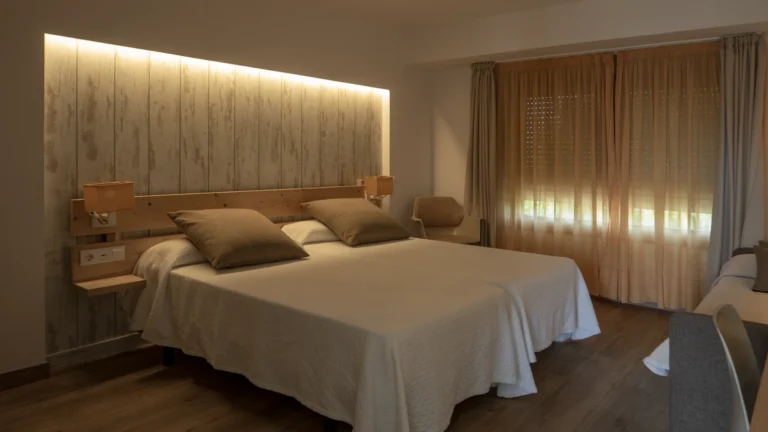
Wall-mounted sconces can eliminate the need for large bedside lamps and free valuable nightstand surface area.
Use Warm, Comfortable Light
Bedroom lighting should create a comfortable environment while still providing sufficient illumination for reading and other tasks. Select lamps and bulbs according to the desired atmosphere and the manufacturer’s specifications.
Create a Small Bedroom Focal Point
A compact room does not need multiple decorative focal points.
Use the Headboard Wall
The wall behind the bed is a natural focal area. You can emphasize it with paint, artwork, paneling, wallpaper, or a distinctive headboard.
Keep Other Walls Restrained
Once one area becomes the visual focus, keep surrounding elements relatively simple. This creates hierarchy instead of visual competition.
Choose a Proportionate Headboard
A large, heavily upholstered headboard can consume substantial visual space.
Use a Slim Profile
A simple headboard can provide comfort and style without making the bed appear unnecessarily large.
Use the Wall Instead
Artwork, paint, wallpaper, or paneling can provide visual interest behind the bed without requiring a large physical headboard.
Select Furniture With Exposed Floor Space
Furniture that allows some of the floor to remain visible can make the room feel less crowded.
Consider Furniture With Legs
A bed, nightstand, or dresser with visible legs can create more visual openness than a heavy piece sitting directly on the floor. This does not necessarily increase actual floor area, but it can change how spacious the room appears.
Use Floating Furniture
Wall-mounted furniture can free floor space.
Install a Floating Nightstand
A floating bedside shelf can provide enough space for a lamp, phone, and small personal items.
Consider a Wall-Mounted Desk
A compact wall-mounted desk can provide a workspace while leaving more floor visible. Ensure the wall and mounting system can support the intended load.
Create a Compact Workspace
Many bedrooms now need to accommodate work or study. A full-size desk may not be practical.
Use a Narrow Desk
Choose a desk based on the equipment you actually need. If you primarily use a laptop, a shallower surface may be sufficient.
Use Vertical Storage Above the Desk
Shelves can store books and office supplies without consuming additional floor space. Keep the arrangement organized so the workspace does not become visually overwhelming.
Keep the Nightstand Small
A nightstand should provide enough functionality without taking more floor space than necessary.
Choose Drawers Over Excessive Surface Area
A compact nightstand with storage can be more useful than a wide table with no organization.
Use a Wall Shelf Instead
Where floor space is extremely limited, a simple floating shelf may provide all the bedside surface you need.
Use Curtains and Window Treatments Carefully
Heavy window treatments can make a small room appear darker and more enclosed.
Use Light-Filtering Curtains
Light-filtering fabrics can maintain privacy while allowing daylight into the room.
Avoid Excessive Fabric
Large amounts of fabric can visually crowd a small window. Keep the treatment proportionate to the window and room.
Reduce Visual Clutter
One of the most effective small bedroom design ideas costs almost nothing: remove items that do not need to remain visible.
Keep Surfaces Clear
Limit the number of objects displayed on dressers, nightstands, and shelves. A cleaner surface creates a stronger sense of order.
Use Closed Storage
Closed cabinets and drawers can hide everyday clutter. Use open shelving primarily for items you actually want to display.
Choose Rugs Carefully
A rug can make the bedroom feel warmer and more finished, but its size and position matter.
Use a Rug to Define the Bed Area
A properly positioned rug can visually anchor the bed.
Avoid Excessive Overlap
Do not choose a rug so large that it creates awkward interference with doors, wardrobes, or other furniture.
Use Artwork Without Overcrowding the Walls
Decorating the walls can add personality, but too many small pieces can make a compact room feel busy.
Choose One Large Artwork
A single larger piece can create stronger visual impact than many tiny frames.
Create a Controlled Gallery Wall
If you prefer several pieces, keep the layout organized and coordinate the frames or colors.
Make the Most of Awkward Corners
Small bedrooms often contain corners that cannot accommodate standard furniture.
Use a Corner Shelf
A corner shelf can provide additional storage for small items.
Add a Compact Reading Area
If there is enough clearance, a small chair or floor cushion can create a useful reading area. Do not sacrifice the main circulation path simply to fill an empty corner.
Use Sliding or Pocket Solutions
When doors consume too much space, alternative configurations can improve the layout.
Consider Sliding Closet Doors
They eliminate the swing area required by hinged doors.
Consider a Pocket Door
A pocket door can free interior wall and floor space, but installation can involve opening the wall and checking for structural, electrical, and plumbing conflicts. This is more appropriate during a larger renovation than as a purely cosmetic update.
Use Built-In Storage Around the Bed
Built-in storage can create a highly efficient bedroom layout.
Add Narrow Cabinets Beside the Bed
Slim cabinets can provide bedside storage without requiring separate nightstands.
Add Overhead Storage
Storage above the bed can be useful for less frequently accessed belongings. However, it should be securely installed and positioned appropriately for safety and comfort.
Design a Small Bedroom for Two People
Shared bedrooms require more careful storage planning.
Give Each Person Dedicated Storage
Separate drawers, shelves, or wardrobe sections can reduce clutter and make organization easier.
Use Individual Bedside Storage
Each person should have convenient access to essential items. When floor space is limited, wall-mounted shelves can help provide separate storage areas.
Make a Small Bedroom Feel More Luxurious
A small room can still have a sophisticated appearance.
Focus on Material Coordination
Use a limited palette of wood, fabric, metal, and color. Repeating a finish in several locations creates visual continuity.
Choose Quality-Looking Textiles
Bedding and curtains occupy substantial visual area. Well-coordinated fabrics can make the room appear more polished without requiring expensive structural changes.
Use Minimal Decorative Accessories
A few intentional pieces usually have more impact than filling every available surface.
Consider the Bedroom’s Actual Function
Not every small bedroom has the same needs. A guest room may require more flexible furniture than a child’s room. A primary bedroom may need larger clothing storage. A bedroom that doubles as a workspace requires a different layout.
Design Around Daily Activities
List what actually happens in the room:
- Sleeping
- Dressing
- Working
- Reading
- Studying
- Relaxing
- Storing clothing
Then allocate space according to those activities. This prevents you from filling the room with furniture that looks appropriate but does not support your routine.
Small Bedroom Design Ideas by Priority
| Design improvement | Space benefit | Cost level | Best use |
| Declutter surfaces | High visual impact | Low | Any small bedroom |
| Under-bed storage | High | Low to medium | Seasonal belongings |
| Wall shelves | Medium | Low | Books and accessories |
| Floating nightstand | Medium | Low to medium | Tight bedside areas |
| Mirrored wardrobe | Medium to high | Medium | Storage + visual depth |
| Sliding wardrobe doors | High | Medium | Narrow circulation |
| Storage bed | High | Medium | Bedrooms lacking storage |
| Built-in wardrobe | Very high | High | Long-term storage |
| Wall-mounted desk | Medium | Low to medium | Work/study spaces |
| Layered lighting | Medium | Low to medium | Dark bedrooms |
Avoid Common Small Bedroom Design Mistakes
Even good small bedroom design ideas can fail when the room is designed around appearance rather than actual movement.
Do Not Buy Furniture Before Measuring
A piece that looks compact in a showroom can feel enormous once placed inside a small room. Measure both the furniture and the available clearance.
Do Not Push Every Piece Against a Wall
Wall placement is sometimes useful, but blindly placing all furniture around the perimeter can create an awkward central arrangement. The layout should prioritize movement and function.
Do Not Use Too Many Furniture Pieces
A compact room rarely benefits from having every conventional bedroom item. Choose fewer pieces that provide more functionality.
Do Not Block Natural Light
Tall wardrobes or shelves placed directly in front of windows can make the room feel darker.
Do Not Overdecorate
Too many colors, patterns, accessories, and open shelves can make a small room feel chaotic.
Do Not Ignore Storage
A beautiful bedroom quickly becomes uncomfortable when clothing and personal belongings have nowhere practical to go.
Plan the Room Before Buying Anything
The most effective small bedroom design ideas begin with planning rather than shopping.
Measure the Room
Record wall lengths, ceiling height, window dimensions, door locations, closet openings, and fixed features.
Mark Furniture Footprints
Use simple measurements or temporary tape on the floor to visualize the footprint of the bed, wardrobe, desk, and other major pieces.
Test Circulation
Walk through the proposed arrangement. Check whether drawers, doors, wardrobes, and the bedroom entrance can operate without collisions.
Establish Storage Priorities
Determine which belongings need daily access and which can be stored elsewhere or under the bed.
Add Decorative Elements Last
Once the functional layout works, add lighting, artwork, textiles, mirrors, plants, and accessories.
Frequently Asked Questions
How can I make a small bedroom look bigger?
Use appropriately scaled furniture, keep circulation clear, maximize natural light, reduce visual clutter, use mirrors strategically, and take advantage of vertical storage.
What bed is best for a small bedroom?
The best bed is one that provides adequate sleeping space while leaving enough room for comfortable circulation. Storage beds can be especially useful when the room has limited closet capacity.
Should a small bedroom have a large wardrobe?
A large wardrobe can work if it uses vertical space efficiently and does not obstruct circulation. Measure its depth, door operation, and relationship with the bed before choosing one.
What colors make a small bedroom feel larger?
Light and moderately reflective colors can help create an open feeling. Soft white, warm neutrals, pale gray, and muted colors are common choices, although darker colors can also work when used intentionally.
Are mirrors useful in small bedrooms?
Yes. Properly positioned mirrors can reflect natural or artificial light and increase the room’s visual depth. Mirrored wardrobe doors can also combine reflection with storage.
How do I add storage without making a small bedroom crowded?
Use vertical shelving, under-bed storage, tall wardrobes, wall-mounted furniture, and multifunctional pieces. Prioritize closed storage for items that would otherwise create visible clutter.
Is a storage bed worth it for a small bedroom?
It can be valuable when closet or cabinet capacity is limited. The area beneath the bed can store seasonal clothing, bedding, luggage, and other less frequently used items.
Can I fit a desk in a small bedroom?
Yes, if the desk is proportionate to the available space. A narrow or wall-mounted desk can provide a useful work surface while preserving more floor area.
Should I use a rug in a small bedroom?
A rug can work well when appropriately sized and positioned. It can visually anchor the bed and add warmth without needing to cover most of the floor.
How can I decorate a small bedroom without making it cluttered?
Choose a limited color palette, use one or two focal areas, keep surfaces organized, and select decorative items intentionally. Wall-mounted decor can provide personality without consuming floor space.
How can I make a small bedroom feel more luxurious?
Focus on proportion, coordinated materials, layered lighting, quality-looking textiles, restrained decoration, and a clean layout. Luxury comes more from visual consistency than from filling the room with expensive objects.
What is the biggest mistake when designing a small bedroom?
Choosing furniture based solely on appearance without checking dimensions and circulation. A beautiful piece can become a problem if it blocks a door, reduces walking space, or prevents storage from opening properly.
Conclusion
The most effective small bedroom design ideas are based on thoughtful space planning rather than simply adding more decoration. A compact bedroom can feel comfortable and visually sophisticated when the bed is appropriately sized, storage uses vertical and underutilized areas, lighting is layered, and furniture leaves enough room for movement.
Start by measuring the room and identifying its fixed features. Then design around the activities that actually take place there. Choose multifunctional furniture where practical, use mirrors and natural light to improve visual openness, and keep the color and material palette controlled.
Most importantly, do not try to fill every available corner. A successful small bedroom leaves enough breathing room for the room to function comfortably. The goal is not to make every square foot occupied—it is to make every square foot useful.